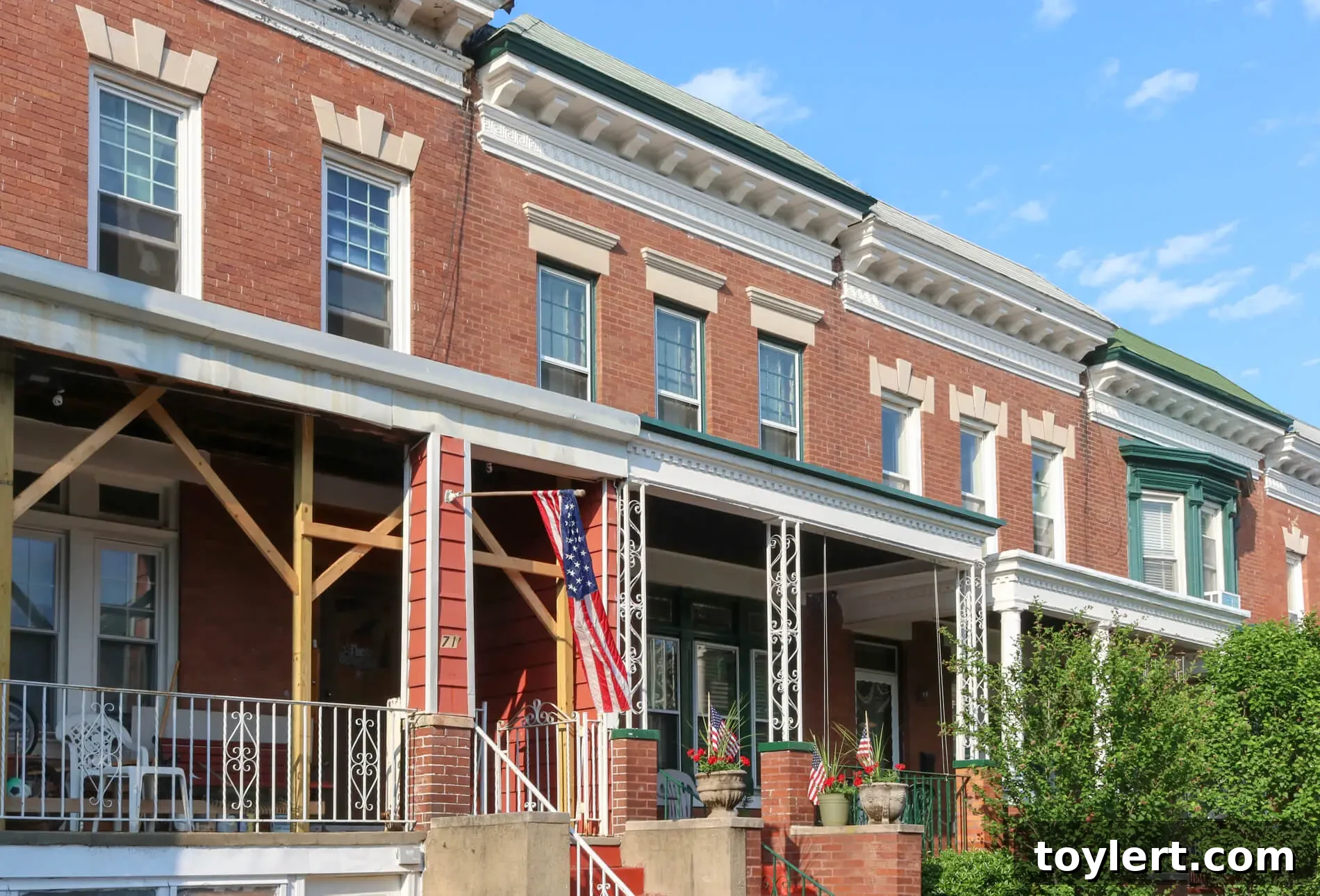
Memorial Day, often seen by many as the unofficial start of the summer season, holds a much deeper and more solemn significance. Far beyond a mere holiday, it is a sacred day of remembrance, dedicated to honoring the brave men and women who made the ultimate sacrifice in service to the United States. Its roots trace back to the immediate aftermath of the American Civil War, a period of immense national grief and reconstruction, when communities across the divided nation began to set aside time to decorate the graves of fallen soldiers. This deeply moving tradition, initially known as Decoration Day, evolved over generations into the Memorial Day we observe today, serving as a poignant reminder of the profound cost of freedom and the enduring debt owed to those who have perished in war.
Among America’s most historic urban centers, Brooklyn stands out for its rich and multifaceted connection to this vital day of remembrance. The borough, a crucible of American industry and a home to countless immigrant communities, played a pivotal role in every major conflict, sending its sons and daughters to defend the nation’s ideals. Consequently, Brooklyn’s landscape is dotted with memorials, its archives filled with stories, and its streets have long been the stage for some of the nation’s earliest and most heartfelt Memorial Day observances. Delving into Brooklyn’s past reveals a tapestry woven with valor, sacrifice, and an unwavering commitment to honoring its fallen heroes. Here, we explore some of the compelling stories and historical landmarks that underscore Brooklyn’s unique place in the narrative of Memorial Day.
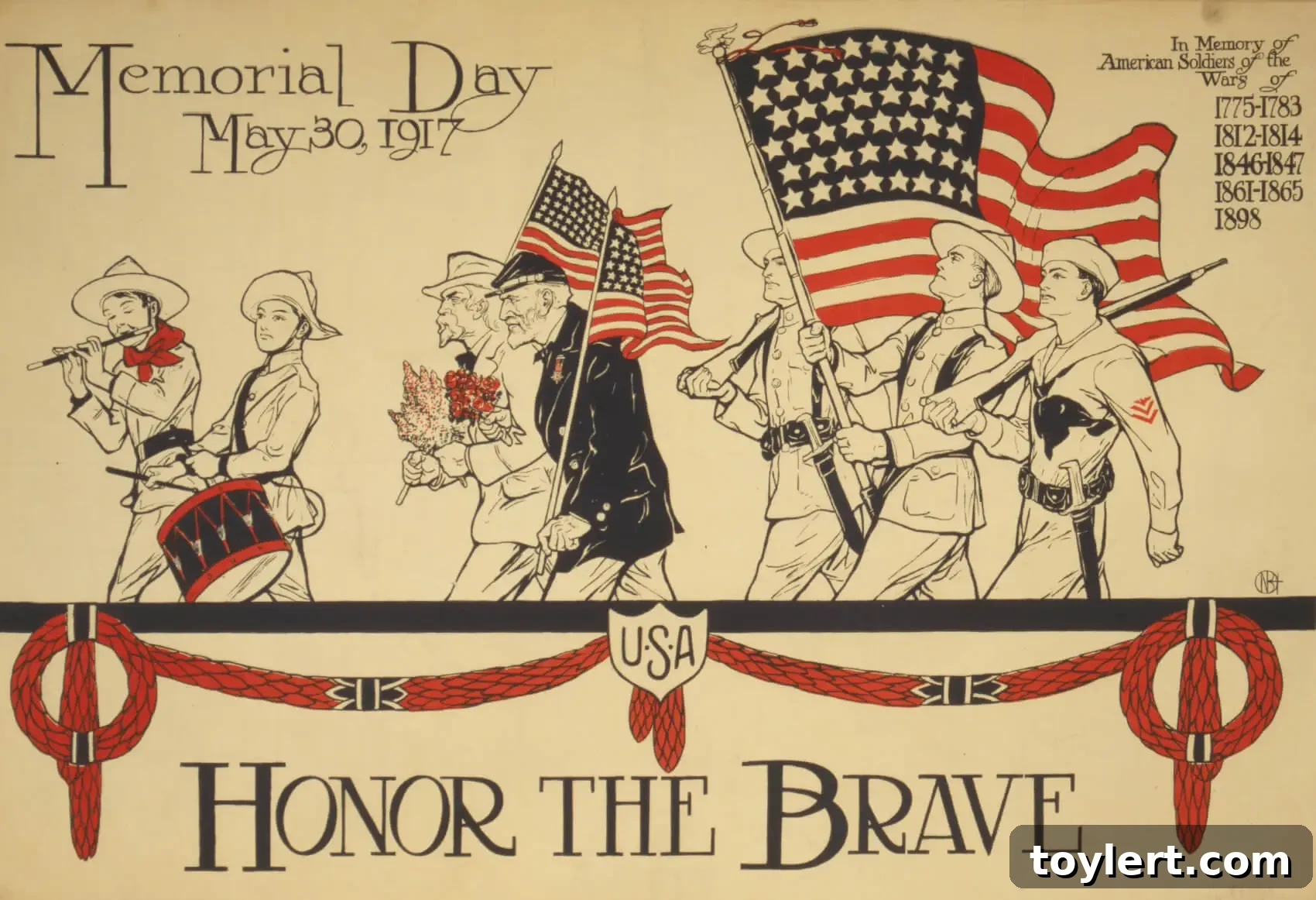
The Genesis of a National Tradition: From Decoration Day to Memorial Day
To fully appreciate Brooklyn’s Memorial Day heritage, it’s essential to understand the national context of its origins. The devastation wrought by the American Civil War (1861-1865) left an indelible mark on the nation, claiming the lives of an estimated 620,000 soldiers – a staggering number that represented roughly 2% of the population at the time. In the war’s wake, countless graves lay scattered across battlefields and national cemeteries. Spontaneous observances of remembrance began to emerge in various towns and cities, as local communities sought to honor their dead. Women, in particular, played a crucial role in these early commemorations, tending to graves and organizing gatherings to mourn and remember. One of the earliest widespread observances occurred on May 5, 1866, in Waterloo, New York, where citizens decorated the graves of local veterans.
However, it was on May 5, 1868, that General John A. Logan, then commander-in-chief of the Grand Army of the Republic (GAR), an organization of Union veterans, issued General Order No. 11. This pivotal order designated May 30th as “Decoration Day,” instructing GAR members to adorn the graves of fallen comrades with flowers and flags. Logan chose May 30th specifically because it was a day that did not fall on the anniversary of any particular battle, allowing for a more universal remembrance devoid of regional bias. This proclamation cemented Decoration Day as a national observance, though it was initially celebrated predominantly in the Northern states.
Over time, as the nation healed and memories of the war evolved, the holiday expanded its scope to honor all American service members who died in any war, from the Revolutionary War to more recent conflicts. This broader dedication led to its gradual renaming as Memorial Day. It was not until 1971, through the Uniform Monday Holiday Act, that Memorial Day became a federal holiday, observed on the last Monday of May, ensuring a three-day weekend for most Americans. While this shift brought about some changes in how the day is observed, the core purpose of remembrance and respect for those who gave their lives remains paramount, a tradition deeply embedded in the civic fabric of communities like Brooklyn.
Brooklyn’s Pivotal Role in Early Memorial Day Observances
Brooklyn, then an independent city before its consolidation into Greater New York in 1898, was a vibrant economic and cultural hub during the Civil War era. Its robust population contributed significantly to the Union cause, and the borough mourned deeply for its fallen. Consequently, Brooklyn quickly embraced Decoration Day, organizing elaborate ceremonies and parades that were among the nation’s most prominent. The Grand Army of the Republic had numerous active posts throughout Brooklyn, playing a central role in organizing these early commemorations and fostering a strong sense of community among veterans.
The annual Decoration Day parade in Brooklyn rapidly became a cherished tradition, drawing large crowds and widespread participation. Veterans, many still bearing the physical and emotional scars of battle, would march alongside civic leaders, schoolchildren, and various community groups. Their destination was often one of the borough’s revered cemeteries, such as Green-Wood Cemetery or Cypress Hills National Cemetery, where they would adorn graves with freshly cut flowers and small American flags. These parades were not merely marches; they were powerful public expressions of grief, gratitude, and national unity, serving to educate younger generations about the profound sacrifices made to preserve the Union and defend the nation’s ideals.
The Cadman Plaza War Memorial: A Brooklyn Landmark of Remembrance
Among Brooklyn’s most significant tributes to its military dead is the Cadman Plaza War Memorial. Located prominently in the heart of downtown Brooklyn, this majestic memorial stands as a profound testament to the borough’s enduring commitment to honoring its service members. Dedicated in 1951, it primarily commemorates the Brooklynites who served and perished in World War II, a conflict that deeply impacted every American family, though its broader purpose extends to all conflicts where Brooklynites have given their lives.
The memorial features a striking column of polished stone, reaching towards the sky, engraved with the names of those who died, serving as a permanent register of their sacrifice. This central column is surrounded by an expansive plaza, thoughtfully designed for quiet contemplation and dignified public ceremonies. The creation of the Cadman Plaza War Memorial was a massive civic undertaking, reflecting the community’s desire for a permanent and prominent place of remembrance that would endure for generations. Its dedication ceremony was a momentous occasion, attended by thousands, including Gold Star families, veterans from multiple wars, and prominent political figures, all united in their respect. Today, it remains a focal point for Memorial Day services in Brooklyn, where wreaths are solemnly laid, speeches are given, and the names of the fallen are read aloud, ensuring their sacrifices are never forgotten.
A Local Tragedy: The 1897 Tally Ho Disaster and Memorial Day
While Memorial Day predominantly recalls the horrors of war and the soldiers lost on distant battlefields, its history in Brooklyn also includes poignant local tragedies that underscored the community’s collective vulnerability and capacity for remembrance beyond the military context. One such somber event, often recalled in historical anecdotes, is the “1897 Tally Ho disaster.” This incident refers not to a military battle, but to a tragic civilian accident that occurred during or around Memorial Day observances.
Local accounts indicate that this incident involved members of a popular Brooklyn bicycle club, the Tally Ho Wheelmen, during a holiday excursion or parade, resulting in fatalities. Such an event, occurring on a day already dedicated to solemn remembrance, would have amplified the community’s grief, extending the scope of collective mourning beyond the battlefield to include local lives lost unexpectedly. The memory of the Tally Ho disaster served as a stark reminder that life could be fragile even in times of peace, further cementing Memorial Day as a time for profound reflection on all forms of loss and the preciousness of human life. It powerfully illustrates how local events and community tragedies can intertwine with national holidays, shaping their local meaning and adding layers of personal and collective experience to broader historical narratives of remembrance.
Modern Memorial Day Observances in Brooklyn
Today, Brooklyn continues its strong tradition of honoring Memorial Day with a variety of observances that seamlessly blend solemn reflection with vibrant community engagement. While the grand parades of the post-Civil War era have evolved in their scale and composition, the fundamental spirit of remembrance remains as vibrant and essential as ever. Brooklynites across its diverse neighborhoods participate in various ways, ensuring that the legacy of sacrifice is passed down through generations.
- Bay Ridge Memorial Day Parade: Often cited as the oldest continuously run Memorial Day Parade in the United States, the Bay Ridge parade is a cornerstone of Brooklyn’s observances. Thousands line the streets each year to witness veterans from all eras, active military personnel, civic organizations, and local schools march in unified tribute. It’s a powerful display of patriotism, community spirit, and historical continuity, traditionally culminating in a moving memorial service.
- Cemetery Services and Flag Placement: Historic grounds like Green-Wood Cemetery and Cypress Hills National Cemetery continue to host poignant services. Here, volunteers, veterans’ groups, and families gather to place American flags on the graves of service members, and often participate in ceremonies that include honor guards and Taps. These hallowed grounds serve as enduring testaments to Brooklyn’s profound contributions to the nation’s defense.
- Community Gatherings and Local Tributes: Numerous smaller ceremonies and tributes take place across Brooklyn’s diverse neighborhoods, from park dedications to local church services and veterans’ post gatherings. These events often highlight the stories of local heroes who served, fostering a deep sense of shared history and collective gratitude within specific communities.
- Educational Programs and Exhibitions: Museums and historical societies throughout Brooklyn, such as the Brooklyn Historical Society (now part of the New-York Historical Society), frequently host exhibitions, lectures, and educational programs leading up to Memorial Day. These initiatives aim to teach younger generations about the holiday’s historical significance, the reasons for commemoration, and the immense sacrifices made by service members and their families.
These modern observances underscore that while the specific details of commemoration may change with the times and evolving cultural landscapes, the fundamental purpose of Memorial Day endures. It is a day to pause, reflect, and acknowledge the immense courage and sacrifice of those who died defending the freedoms and values we cherish as Americans.
The Enduring Significance for Brooklyn
For Brooklyn, Memorial Day is more than just a federal holiday; it’s an intrinsic part of its identity, deeply woven into the borough’s historical and cultural fabric. From the iconic brownstones that witnessed soldiers depart for war, to the silent, dignified memorials that stand as eternal sentinels of sacrifice, Brooklyn’s landscape is saturated with the echoes of its military past. The annual rituals of parades, solemn ceremonies, and quiet visits to gravesides serve as crucial touchstones, connecting contemporary Brooklynites with generations of those who came before them, forging a continuous chain of remembrance.
The spirit of Memorial Day in Brooklyn is one of profound respect and collective memory. It encourages residents to look beyond the celebratory aspects of a long weekend and to truly embrace the day’s intended meaning: to honor, remember, and reflect deeply on the lives given. By preserving these rich traditions and actively educating future generations about the true cost of freedom, Brooklyn ensures that the sacrifices of its fallen heroes will never fade into obscurity. Instead, their bravery and selflessness will continue to inspire a deep appreciation for the liberties they secured for all.
As the flags wave across the borough, and the ceremonies unfold from Bay Ridge to Cadman Plaza, Brooklyn reaffirms its unwavering commitment to the principle that while time may pass, true heroism and selflessness are eternal. Memorial Day remains a powerful and poignant reminder that freedom is not free, and the legacy of those who paid its ultimate price will forever be enshrined in the heart of this remarkable and resilient borough.