Pulaski Bridge to Get Dedicated Bike Lane: A Major Win for Greenpoint and Queens Cyclists
Exciting news for commuters and cycling enthusiasts in New York City! The long-awaited proposal to implement a dedicated bike lane on the Pulaski Bridge has received a pivotal green light from the City Planning Commission. This landmark decision marks a significant step forward in improving urban infrastructure, enhancing cyclist safety, and fostering sustainable transportation between the vibrant communities of Greenpoint, Brooklyn, and Long Island City, Queens.
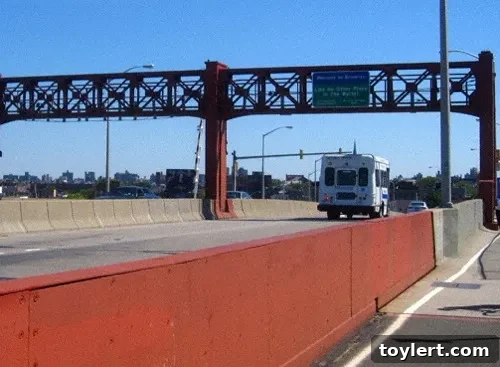
For years, cyclists traversing the Pulaski Bridge have faced challenging conditions. The current setup forces both pedestrians and bicyclists to share a single, often overcrowded, narrow sidewalk. This congestion has led to numerous frustrations, near-misses, and legitimate safety concerns for everyone utilizing the bridge. The absence of dedicated space has made daily commutes perilous and discouraged many from choosing cycling as a viable mode of transport across Newtown Creek. The image above starkly illustrates the constrained environment that has long characterized this vital connector.
The Genesis of Change: Assemblyman Joe Lentol’s Vision
The successful approval of this project is largely attributed to the persistent advocacy and visionary leadership of Assemblyman Joe Lentol. His proposal highlighted the critical need for an improved cycling infrastructure on the Pulaski Bridge, recognizing the growing number of New Yorkers embracing bicycles for their daily commute, recreation, and travel. Assemblyman Lentol’s initiative resonated with urban planners and community members alike, acknowledging that a modern city requires modern solutions for its diverse transportation needs.
The City Planning Commission’s affirmative vote underscores a broader commitment within New York City to prioritize cyclist and pedestrian safety. It reflects a progressive understanding of urban mobility, where dedicated lanes are not just conveniences but essential components of a robust, healthy, and accessible transportation network. This decision is poised to transform the daily experience for thousands of residents and visitors.
Addressing a Pressing Safety Concern
The existing shared pathway on the Pulaski Bridge is a bottleneck, notorious for its high volume of traffic and limited space. Cyclists are often forced to weave through pedestrians, creating dangerous situations and undermining the joy of cycling. Pedestrians, in turn, feel encroached upon and vulnerable. This constant friction makes the journey across the bridge stressful rather than efficient or enjoyable.
A dedicated bike lane will alleviate these problems by providing clear separation between different modes of transport. This physical segregation is paramount for ensuring the safety of all bridge users. It means cyclists can maintain a steady pace without fear of collision, and pedestrians can enjoy a leisurely stroll without constantly looking over their shoulders. This improvement is not merely about convenience; it’s about preventing accidents and fostering a sense of security for vulnerable road users.
What Comes Next? The Path to Construction
Following the City Planning Commission’s approval, the project will now move into its next crucial phase. The city is diligently working to finalize the exact design specifications for the new bike lane. These detailed plans are expected to be presented to Community Board 1 before the end of the year. This engagement with the local community board is a vital step, ensuring that the design aligns with local needs and concerns, and allows residents to provide valuable input and feedback.
Community Board 1’s review and potential green light will pave the way for the physical realization of this project. If all proceeds as anticipated, construction on the dedicated bike lane is slated to commence in the spring. This swift progression from approval to anticipated groundbreaking reflects the urgency and importance placed on this infrastructure upgrade.
The construction phase will undoubtedly bring temporary disruptions, but the long-term benefits are expected to far outweigh any short-term inconveniences. City officials are committed to minimizing the impact on commuters during this period, and updates on traffic patterns and alternative routes will be communicated proactively to the public.
Transformative Impact on Commuting and Urban Living
The introduction of a dedicated bike lane on the Pulaski Bridge promises to have a transformative impact on urban living and commuting patterns in Greenpoint and Long Island City. Here are some of the key benefits:
- Enhanced Safety: The primary advantage will be a dramatic improvement in safety for both cyclists and pedestrians, significantly reducing the risk of accidents.
- Smoother Commutes: Cyclists will experience a more efficient and predictable commute, free from the bottlenecks and hazards of the shared path.
- Encouragement of Cycling: By making cycling safer and more convenient, the city expects to see an increase in bike ridership, contributing to a healthier and more active population.
- Environmental Benefits: More cycling means fewer cars on the road, leading to reduced traffic congestion, lower carbon emissions, and improved air quality in surrounding neighborhoods.
- Economic Vibrancy: Easier access between Greenpoint and Long Island City via bicycle can stimulate local businesses as more people move between these areas with greater ease.
- Improved Connectivity: The new lane will seamlessly integrate into existing and planned bike networks in both boroughs, strengthening the overall cycling infrastructure of NYC.
- Quality of Life: A safer, more enjoyable commute contributes directly to an improved quality of life for residents, fostering a sense of community and well-being.
The Broader Context: NYC’s Commitment to Cycling Infrastructure
This project on the Pulaski Bridge is part of a larger, city-wide initiative to expand and improve New York City’s cycling infrastructure. In recent years, NYC has made significant strides in becoming a more bike-friendly city, with hundreds of miles of new bike lanes added across the five boroughs. Projects like these are crucial for achieving the city’s ambitious goals for sustainability, public health, and equitable transportation.
The Pulaski Bridge, built in 1954, serves as a vital connection over Newtown Creek, linking key industrial and residential areas. Its historical role as a critical artery is now being reimagined to meet the demands of 21st-century urban mobility. By adapting existing infrastructure to accommodate contemporary needs, NYC demonstrates its forward-thinking approach to urban planning.
Moreover, the success of this proposal highlights the importance of sustained community advocacy and collaborative efforts between elected officials, city agencies, and local residents. It serves as a powerful example of how collective action can lead to tangible improvements in public spaces and infrastructure.
Looking Ahead: A Greener, Safer Future
The journey from proposal to a fully functional dedicated bike lane is a complex one, involving numerous stakeholders and meticulous planning. However, the initial hurdles have been cleared, and the momentum is clearly in favor of progress. The approval of the Pulaski Bridge bike lane signifies more than just a new strip of asphalt; it represents a deeper commitment to fostering a greener, safer, and more accessible urban environment.
As the city moves forward with design finalization and prepares for construction, Greenpoint and Queens residents can look forward to a significant enhancement in their daily lives. The dedicated bike lane on the Pulaski Bridge will not only make commutes safer and more efficient but will also encourage more people to embrace cycling, contributing to a healthier community and a more sustainable New York City.
Stay tuned for updates from Community Board 1 regarding the final design, and prepare to welcome a new era of cycling safety and convenience connecting two of NYC’s most dynamic boroughs.
City Panel Green-Lights Protected Pulaski Bike Lane (Source: Brooklyn Paper)