Editor’s note: Welcome to the third installment of This Ugly House, a reader renovation diary. We’re excited to publish this tale of a hands-on renovation of a wood-frame house in Bed Stuy. The author also blogs at www.thisuglyhousenyc.com.
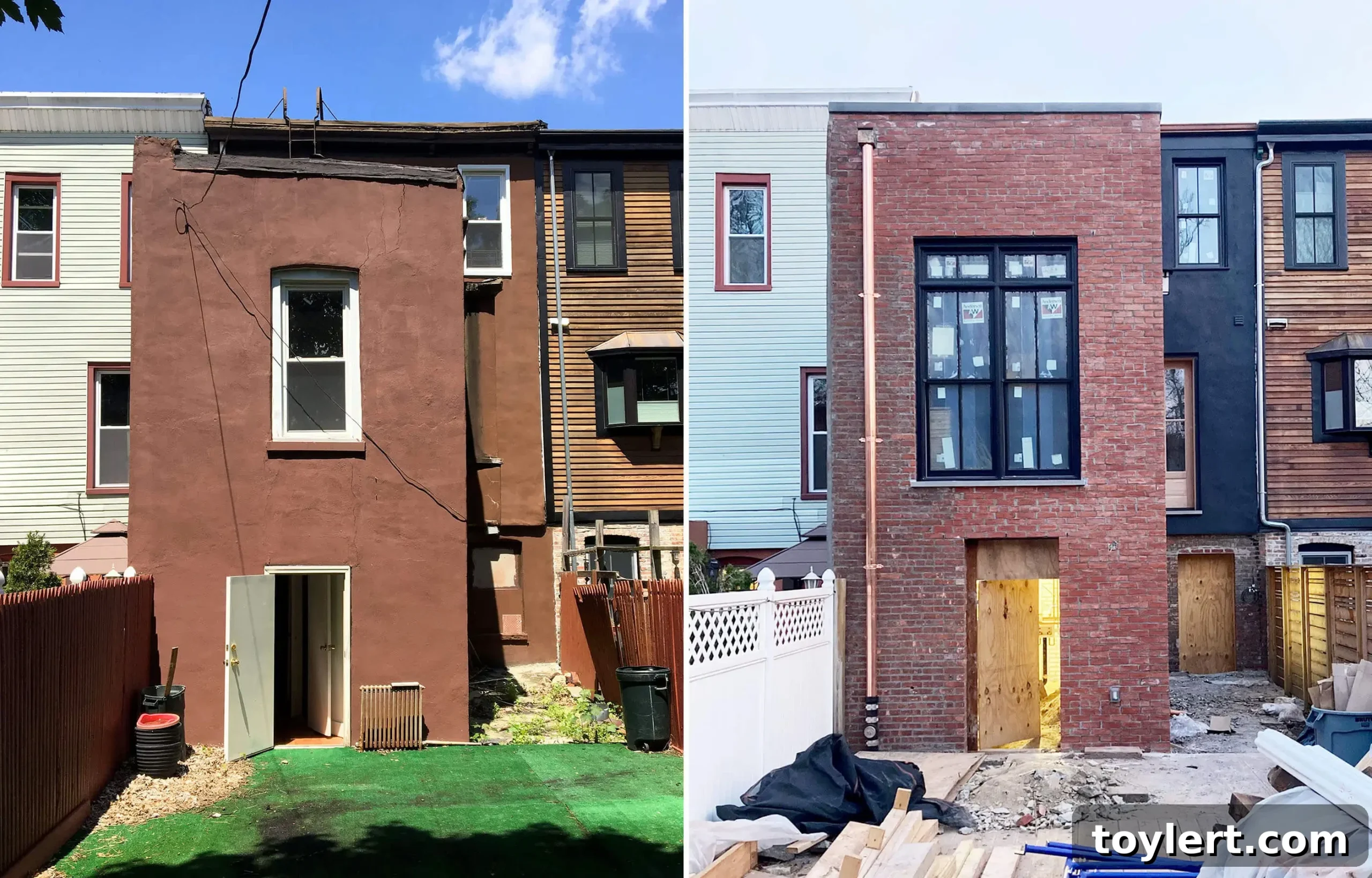
Embarking on a journey of homeownership in the vibrant Bed Stuy neighborhood of Brooklyn is often a dream for many, and for my family and me, it became a reality with the purchase of this charming wood-frame house. One of the most significant selling points, and indeed a considerable factor in our decision, was the existing rear extension. This addition was more than just an extra room; it transformed our standard 35-foot deep row house, extending its footprint by another 18 feet. Measuring 12 feet wide and two stories tall, this extension generously added an impressive 432 square feet of living space. On paper, this was a tremendous bonus, offering unparalleled depth and an exciting array of possibilities for how we could reconfigure and modernize the entire interior layout. We envisioned open-plan living areas, a spacious kitchen-diner, or perhaps even dedicated zones for work and relaxation, all made possible by this valuable addition. It represented not just extra space, but an investment in potential, promising a canvas for our dream home design.
However, as is often the case with older homes and particularly with extensions that have seen years of use, something about this seemingly perfect addition felt a little off. Initially, these were subtle observations, easily dismissed as quirks of an older structure. The rear door, for instance, which led directly to the backyard, featured a boxed-over header that stood at an unusually low 70 inches high. For anyone of average height, this meant a consistent, awkward duck of the head every single time one passed through. It was a minor inconvenience, perhaps, but one that subtly hinted at either a lack of foresight in its original construction or subsequent structural settling. We soon learned it was far more than just an inconvenient design choice, pointing instead to a deeper structural issue that demanded attention.
Our initial excitement about the extra square footage slowly began to give way to growing concerns as we observed other, more alarming signs. The exterior stucco, which covered the extension, displayed wide, concerning cracks that spiderwebbed across its surface. These weren’t merely superficial hairline fissures; they were significant breaks that suggested underlying movement or instability within the structure. Beyond the aesthetic degradation, such cracks are critical indicators of potential water intrusion, which could lead to rot, mold, and further deterioration of the building’s integrity. These visual cues served as a stark reminder that the beauty of a home often lies beneath its surface, and the visible imperfections can be symptoms of deeper, unseen problems.
The issues didn’t stop at the stucco. A prominent bulge protruded noticeably from the first-floor rear wall of the extension. This wasn’t a minor irregularity; it was a clear physical deformation, a tell-tale sign that something within the wall structure was compromised. A bulging wall often indicates severe structural distress, such as shifting foundations, excessive load, or significant water damage causing materials to expand and warp. This particular observation was a major red flag, transforming our initial mild concerns into a more serious apprehension about the structural stability and safety of the entire extension. It became clear that what we had initially considered a bonus feature might, in fact, be a considerable undertaking to rectify.
Perhaps the most visually striking and alarming issue was the state of the roof. Described aptly by my own observation, it was “caving in so bad it looked like a potato chip.” This vivid description underscores the severe deformation of the roof structure, indicating extensive damage to its beams, rafters, and decking. A roof in such a state is not only incapable of providing adequate shelter and insulation but also poses an immediate safety hazard. It suggests years of neglect, potentially catastrophic water damage, and a complete failure of the structural components designed to support it. The thought of a compromised roof over our heads brought a new level of urgency and gravity to our renovation plans, signaling that this was no mere cosmetic update but a fundamental structural repair project.
The true extent of the damage, however, remained largely concealed. Throughout the interior of the house, particularly within the extension, an abundance of sheetrock had been installed. While sheetrock serves its purpose in creating smooth, finished walls, it also acts as an effective camouflage, masking underlying defects. This extensive covering meant we couldn’t accurately assess how far gone the underlying structure already was. The hidden nature of the damage presented a significant challenge and a certain degree of anxiety. We knew there were problems, but the full scope, the financial implications, and the sheer effort required to bring the extension back to a sound, safe, and functional state were unknown variables lurking behind those seemingly innocuous walls. This element of uncertainty is a common, yet daunting, aspect of renovating older properties, especially when structural integrity is in question. It underscored the critical need for a thorough structural assessment and careful planning before any demolition or construction could begin.
Our initial dream of an instantly expanded and versatile living space had swiftly transformed into the daunting reality of a major structural renovation. The extension, once a major selling point, had revealed itself to be a complex puzzle of compromised elements – from an inconveniently low door header to wide stucco cracks, a menacing wall bulge, and a severely failing roof. Each discovery chipped away at our initial optimism, replacing it with a pragmatic understanding of the extensive work ahead. This wasn’t just about aesthetics; it was about ensuring the fundamental safety and longevity of our new home. The renovation journey, we realized, would involve more than just redesigning interiors; it would necessitate a deep dive into the structural bones of the house, a complete rebuild of compromised elements, and a meticulous process of restoration to transform this “ugly house” into the solid, beautiful home we envisioned for our family in Bed Stuy. It was clear that this project would be a test of our resilience, our budget, and our commitment to bringing this historic Brooklyn property back to its former glory, enhancing its functionality and securing its future for generations to come. The experience served as a potent reminder that while extra square footage is desirable, the underlying condition of that space is paramount for any successful home improvement project.