As the warmth of summer ushers in the much-anticipated beach season, a vibrant tide of visitors begins to flow towards Fire Island, New York’s iconic barrier island. This extraordinary destination masterfully blends the appeal of a beloved tourist hotspot with the serene allure of a hidden gem, teeming with unparalleled natural wonders. Far more than a simple dichotomy, Fire Island presents a multifaceted landscape of diverse experiences, solidifying its reputation as a truly unique coastal escape.
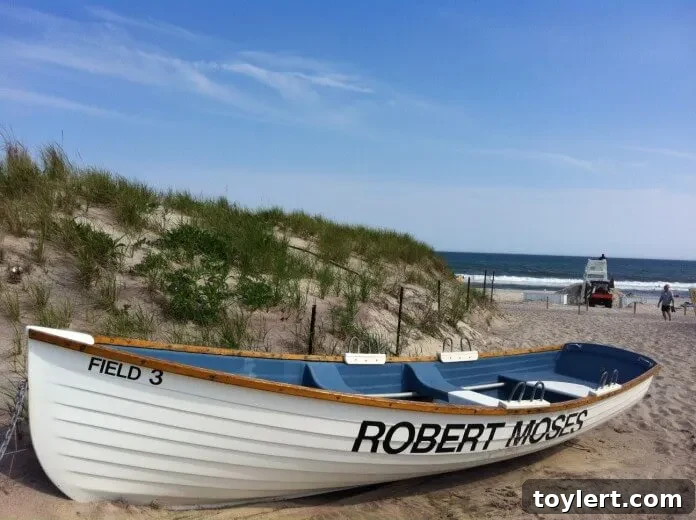
Stretching across the southern coast of Long Island, Fire Island is a slender haven that serves as a protective barrier, shielding the mainland from the Atlantic Ocean’s robust currents. Its geographical significance is matched only by its cultural and recreational offerings. The island is anchored by prominent state and county parks: Smith Point County Park graces its easternmost tip, offering expansive beaches and family-friendly amenities, while Robert Moses State Park commands the western end, renowned for its historic lighthouse and prime surfing conditions. Nestled between these bookends lies the expansive Fire Island National Seashore, an eight-mile designated wilderness preserve that invites exploration into an untouched ecosystem.
Perhaps Fire Island’s most defining characteristic lies in its central region: a collection of 17 distinct, car-free communities. Accessible exclusively by ferry, these charming hamlets offer a profound departure from the hustle and bustle of mainland life. While many are primarily residential, fostering a tight-knit community feel, several boast bustling downtown areas complete with quaint shops, delectable dining options, and vibrant nightlife, catering to every preference, from tranquil family getaways to energetic social hubs.
Fire Island: Your Ultimate Car-Free Coastal Escape near NYC
For those seeking a genuine escape from the relentless pace of urban life, Fire Island offers a sanctuary where time truly seems to slow down. Suzy Goldhirsch, president of the Fire Island Association, eloquently captures this sentiment: “It’s a special place unlike any other place certainly within an hour and a half of New York [City]. It’s a place where time has stood still to a certain extent because there are no cars and because you still have a small town ambiance where you walk or ride a bicycle and you see people and you stop on the corner and you talk to each other. You are not whizzing by your neighbors at 50 miles per hour in a car on your way to the mall. That quality of life itself is worth preserving not only for residents, but for people who come to visit our Island — for a day trip, or a stay at the Fire Island Hotel or perhaps to rent a house.” Her words resonate deeply with anyone who has experienced the island’s unique charm, where social interactions flourish amidst a backdrop of natural beauty.
Discovering Fire Island’s Unique Charm and Accessibility
The allure of Fire Island extends beyond its scenic vistas; it lies in its fundamental design as a pedestrian and bicycle-friendly haven. This deliberate absence of automobiles cultivates an atmosphere of unparalleled tranquility and fosters a strong sense of community. Imagine mornings spent strolling along boardwalks, greeting neighbors, or cycling to the local market without the constant drone of traffic. This slower pace encourages residents and visitors alike to engage with their surroundings and with each other, creating a social fabric that is increasingly rare in our fast-paced world. For New Yorkers, Fire Island is an accessible dream, providing a complete mental and physical reset within a short journey from the metropolitan sprawl.
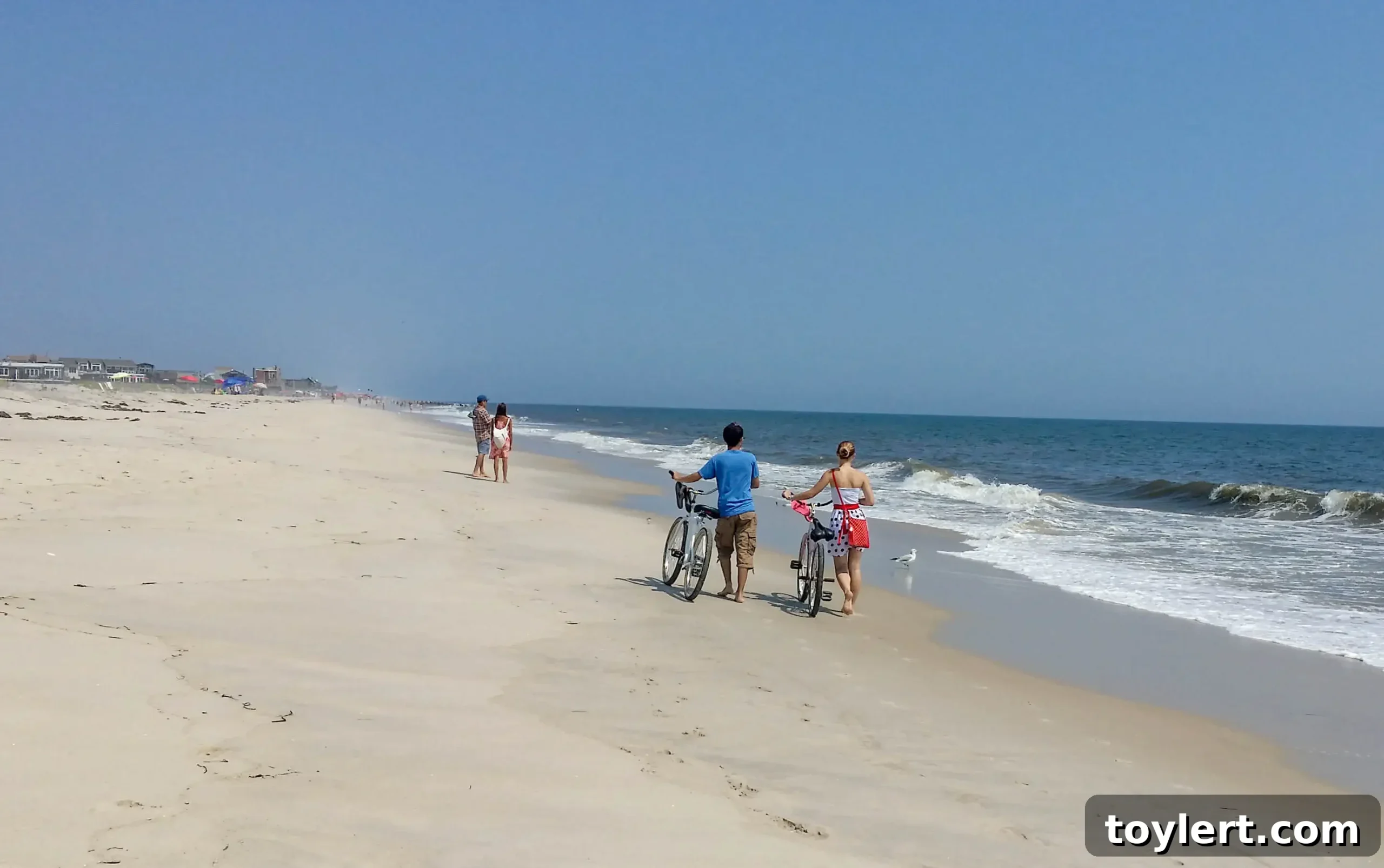
Accessing this slice of paradise is an adventure in itself. Regular ferry services operate from various points on Long Island, including Bay Shore, Sayville, and Patchogue, each serving different communities across Fire Island. The journey across the Great South Bay is part of the experience, offering scenic views and a gradual transition into the island’s relaxed rhythm. Upon arrival, visitors quickly adapt to the car-free environment, relying on walking, biking, or charming red wagons for transporting luggage and groceries. This unique transportation system reinforces the island’s commitment to preserving its natural beauty and fostering a pedestrian-friendly atmosphere.
A Sanctuary of Natural Beauty: The Fire Island National Seashore and Beyond
At the heart of Fire Island’s ecological significance is the Fire Island National Seashore, established in 1964 to protect its delicate barrier island ecosystem. This preserved stretch encompasses a diverse array of habitats, including pristine ocean beaches, dynamic dune fields, ancient maritime forests, and rich salt marshes on the bay side. The Seashore is a crucial breeding ground and stopover point for countless species of migratory birds, making it a paradise for birdwatchers. White-tailed deer roam freely, providing glimpses into the island’s thriving wildlife population. Exploring the wilderness preserve offers opportunities for serene hikes, nature photography, and an immersive connection with an untouched coastal landscape.
Beyond the national seashore, the bookending state and county parks add further dimensions to Fire Island’s natural appeal. Robert Moses State Park, located on the island’s western end, is a popular destination for its expansive beaches, excellent surfing conditions, and proximity to the iconic Fire Island Lighthouse. This historic landmark, standing tall since 1858, offers breathtaking panoramic views of the island, the Atlantic Ocean, and the Great South Bay, making it a must-visit for any itinerary. On the eastern side, Smith Point County Park provides a more developed recreational experience with camping facilities, lifeguarded beaches, and access for four-wheel-drive vehicles with permits, making it a different kind of gateway to the island’s natural splendor.
The island’s commitment to preservation is evident in every rustling dune and every pristine stretch of sand. Environmental education programs and ranger-led tours within the National Seashore help visitors understand the delicate balance of this ecosystem and the importance of conservation. From the fragile beach grass that stabilizes the dunes to the maritime forests that thrive on sandy soil, Fire Island is a living laboratory of coastal ecology, offering valuable lessons in natural resilience and beauty.
Embracing the Car-Free Lifestyle: A Journey to Simplicity
The car-free policy is not merely an absence of vehicles; it is the very essence of the Fire Island experience, profoundly shaping its culture and atmosphere. Without the constant hum of engines, the island air is filled instead with the sounds of crashing waves, birdsong, and friendly chatter. Children play freely on paths and boardwalks, bicycles become the primary mode of transport, and the simple act of walking takes on a meditative quality. This intentional simplification of daily life encourages a stronger sense of community and connection among residents and visitors.
Logistically, adapting to the car-free environment is part of the adventure. Upon disembarking from the ferry, visitors will often see wagons lining the docks, ready to be rented or borrowed to transport luggage, groceries, and beach gear to their accommodations. Many island homes come equipped with bicycles, or they can be rented locally, providing a fun and efficient way to explore the various communities and access the beaches. This unique infrastructure contributes significantly to the island’s laid-back charm and allows for a more intimate engagement with its surroundings.
This commitment to a pedestrian-centric environment means that daily routines are delightfully unhurried. Impromptu conversations on the boardwalk, shared laughter over a local meal, and collective appreciation for a stunning sunset become commonplace. It’s a stark contrast to urban life, offering a restorative balm for the soul and a chance to truly disconnect from digital distractions, fostering genuine human connection and a deeper appreciation for the simple pleasures of life.
Exploring Fire Island’s Diverse Car-Free Communities
Fire Island boasts 17 distinct car-free communities, each possessing its own unique character and charm. From the lively atmosphere of Ocean Beach to the serene tranquility of Saltaire, there’s a village to match every visitor’s desire for relaxation or recreation. Ocean Beach, often dubbed the “Wickedest Hamlet,” is known for its vibrant downtown, bustling restaurants, bars, and lively nightlife, attracting a younger crowd and those seeking social interaction. It’s a hub of activity, especially during peak summer weekends.
In contrast, communities like Saltaire and Corneille Estates offer a more secluded and family-oriented experience, with quiet residential streets, private beaches, and a focus on peaceful relaxation. For those interested in Fire Island’s rich LGBTQ+ history and culture, Cherry Grove and The Pines stand out as iconic destinations, celebrated for their inclusive atmospheres, vibrant entertainment scenes, and strong sense of community. Each community, despite its individual flair, maintains the overarching ethos of Fire Island: a reliance on pedestrian and bicycle transport, a close connection to nature, and a welcoming spirit.
The communal aspects extend to local shops and services. Small groceries, bakeries, ice cream parlors, and boutique shops line the main thoroughfares of the more developed communities, providing essentials and delightful treats. Dining options range from casual clam shacks serving fresh seafood to more upscale restaurants offering gourmet experiences with ocean views. The vibrant nightlife in certain villages features live music, outdoor bars, and opportunities for dancing under the stars, ensuring that evenings are as engaging as the sun-filled days.
Planning Your Perfect Fire Island Getaway
Embarking on a Fire Island adventure requires a bit of planning, but the rewards are well worth the effort. The first step is deciding which community best suits your vacation style. Consider what you seek: lively social scene, peaceful family retreat, or a blend of both. Next, book your ferry tickets in advance, especially during peak season, from your chosen departure point on Long Island. Accommodations vary widely, from quaint bed and breakfasts and charming hotels to expansive house rentals, perfect for families or groups. Early booking is highly recommended for all options.
Once on the island, the possibilities for enjoyment are endless. Days can be spent swimming, sunbathing, or surfing on the pristine ocean beaches. The calmer bay waters are ideal for kayaking, paddleboarding, and clamming. Explore the Fire Island National Seashore’s numerous nature trails for birdwatching or a peaceful hike through the maritime forest. Biking is an excellent way to traverse between communities, discovering hidden coves and scenic overlooks. Evenings offer a chance to savor fresh seafood at a waterfront restaurant, catch live music, or simply stargaze from your porch, undisturbed by city lights.
Remember to pack light, but thoughtfully. Essentials include comfortable walking shoes, bicycles (if not renting), sunscreen, insect repellent, and plenty of beachwear. Wagons are invaluable for transporting belongings, and many rental properties provide them. Preparing for a car-free environment means embracing simplicity and a slower pace, which is precisely what makes Fire Island such a rejuvenating escape. Whether you’re planning a quick day trip from NYC or an extended stay in a cozy rental, Fire Island promises an unforgettable experience, rich in natural beauty, community spirit, and tranquil coastal charm.
Fire Island remains a cherished destination, continuously drawing visitors with its unique blend of untouched wilderness and vibrant, car-free communities. It stands as a testament to a different way of life—one where nature dictates the rhythm, community thrives on interaction, and the stresses of modern life melt away with the sound of the ocean waves. This captivating barrier island truly offers an unparalleled opportunity to reconnect with nature, oneself, and others, making it an essential summer pilgrimage for anyone yearning for a distinctive coastal retreat.