Myrtle Avenue’s Resurgence: A Dynamic Landscape of Development in Brooklyn
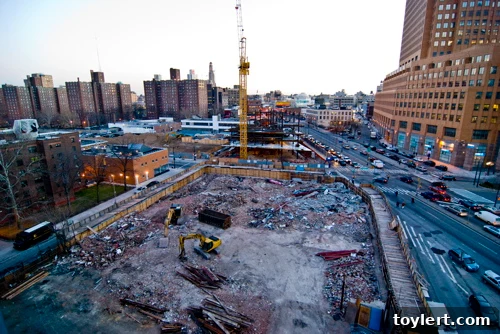
Myrtle Avenue, specifically the vibrant stretch nestled between Flatbush and Ashland Place, is currently a pulsating hub of construction activity, symbolizing the relentless urban transformation sweeping across Downtown Brooklyn. This bustling corridor is rapidly evolving, with several monumental projects vying for dominance and fundamentally reshaping the neighborhood’s skyline and residential landscape. Recent observations and photographic submissions from keen-eyed local residents underscore the thrilling pace of this development, painting a vivid picture of progress and ambitious architectural endeavors.
For years, Downtown Brooklyn has been a beacon of revitalization, attracting significant investment and a surge of new residents. Myrtle Avenue, strategically positioned at the crossroads of cultural institutions, transport hubs, and established neighborhoods, has emerged as a prime canvas for this evolution. What was once a commercial street with a mix of older buildings is rapidly becoming a dense, modern urban core, promising a blend of luxury living, convenient amenities, and a vibrant community atmosphere. The ongoing projects represent a significant chapter in this narrative, introducing thousands of new residential units and fundamentally altering the character of the street.
A Trio of Titans: Leading the Charge on Myrtle Avenue
The development along Myrtle Avenue is not merely about individual buildings; it’s a dynamic interplay between major developers, each bringing a distinct vision and scale to the area. Three prominent projects are at the forefront, collectively transforming this stretch into a contemporary urban canyon. The competition is palpable, with cranes dominating the skyline and construction teams working diligently to bring these ambitious blueprints to life. Each development, while unique in its approach and offering, contributes to a larger narrative of growth and prosperity for Brooklyn.
BFC’s 150 Myrtle Avenue: A New Skyline Beacon Takes Shape
In the lead, prominently featured in the upper right quadrant of recent aerial perspectives, stands BFC Partners’ impressive 37-story tower at 150 Myrtle Avenue. This towering structure is already making a significant visual impact, with five stories of robust steel superstructure visibly erected. BFC Partners, known for its extensive portfolio in urban revitalization and mixed-use developments, is clearly setting a precedent with this ambitious project. The scale of 150 Myrtle Avenue suggests it will offer a significant number of high-end residential units, likely comprising a mix of condominiums and rental apartments designed to cater to a discerning urban demographic.
The strategic height of this tower ensures breathtaking views of the Manhattan skyline, New York Harbor, and the expansive Brooklyn panorama. Beyond its residential offerings, projects of this magnitude often integrate ground-floor retail and community spaces, further enhancing the pedestrian experience and contributing to the street-level vibrancy of Myrtle Avenue. Its rapid ascent not only showcases efficient construction management but also underscores the strong market demand for luxury urban living in this prime Brooklyn location. As more steel is added, 150 Myrtle Avenue is quickly becoming an undeniable landmark, a testament to BFC’s commitment to shaping modern Brooklyn.
The Apple Group’s Vision: John Catsimatidis’ Bold Mark on Brooklyn
Closely contending for the next position in this construction race is the substantial 660-unit development spearheaded by John Catsimatidis’ Apple Group, visible in the upper left of observed photographs. This project, while having enjoyed a considerable head start in its early phases, continues to demonstrate steady progress, reinforcing its position as a major player in the Myrtle Avenue transformation. The Apple Group, under the leadership of the prominent developer and entrepreneur John Catsimatidis, is known for its large-scale residential and commercial ventures across New York City.
A development of 660 units represents a significant injection of residential density into the area, indicating a comprehensive approach to urban living. These units are expected to feature modern designs, high-quality finishes, and a suite of amenities catering to contemporary urban dwellers. The sheer volume of apartments suggests a strategy to attract a broad spectrum of residents, from young professionals to families, all seeking the convenience and dynamism of Downtown Brooklyn. John Catsimatidis’ reputation often precedes his projects, ensuring that this development will be executed with a keen eye for detail and a focus on delivering a robust, long-lasting residential offering that will stand as a significant contribution to the Myrtle Avenue corridor.
Avalon Bay’s Bold Entry: Rental Living Redefined
Not to be underestimated, the “upstart” Avalon Bay project is rapidly catching up, despite commencing its major work later than its competitors. This developer has been operating in “demolition overdrive” for the past month, signaling an aggressive and determined approach to prepare the site for the erection of an impressive 650 rental apartments. Avalon Bay Communities is a recognized leader in the development and management of high-quality apartment communities across the United States, and their entry into Myrtle Avenue speaks volumes about the area’s appeal as a prime rental market.
The focus on 650 rental units addresses a critical need in New York City’s competitive housing landscape, providing numerous options for those seeking modern, professionally managed apartments without the commitment of ownership. Avalon Bay’s properties are typically known for their extensive amenities, including fitness centers, communal lounges, co-working spaces, and responsive property management, all designed to foster a vibrant community atmosphere. The sheer speed of their demolition phase suggests an ambitious timeline for completion, aiming to bring these much-anticipated rental units to market efficiently. As the demolition dust settles and the foundation work begins, Avalon Bay’s presence will undoubtedly add another formidable structure to the evolving skyline of Myrtle Avenue, enriching the residential choices available to future Brooklynites.
The Development Race: A Dynamic Snapshot of Progress
The collective activity along Myrtle Avenue between Flatbush and Ashland Place creates a compelling visual spectacle, aptly described as a “race” among these developers. Each project, with its distinct timeline and construction methodology, contributes to a bustling and ever-changing landscape. Observers are treated to a dynamic display of modern engineering, as foundations are laid, steel frames ascend, and new facades begin to define the future streetscape. The progress isn’t just about individual buildings; it’s about the transformation of an entire urban segment, promising a new chapter for one of Brooklyn’s most historic avenues.
Witnessing this accelerated pace of development ignites a sense of excitement and anticipation for what the area will become. The coordinated efforts of these major firms, each striving to meet ambitious deadlines, signify a strong belief in the long-term value and desirability of Downtown Brooklyn. This visible progress not only captivates local residents but also serves as a powerful indicator for investors and future inhabitants, showcasing a neighborhood actively building its future. It’s a testament to the enduring appeal of Brooklyn as a premier destination for living, working, and leisure.
Transforming the Urban Fabric: Beyond the Steel Beams
The impact of these colossal developments extends far beyond the impressive steel and glass structures themselves. The influx of thousands of new residents will undoubtedly stimulate the local economy, creating demand for new retail establishments, dining options, and service providers. This ripple effect promises to rejuvenate local businesses, attract new entrepreneurial ventures, and generate a diverse array of employment opportunities, from construction jobs to roles in retail and hospitality.
Furthermore, the increased population density will necessitate enhancements in local infrastructure, including public transportation, utilities, and green spaces. These projects often serve as catalysts for broader urban planning initiatives aimed at improving pedestrian accessibility, public amenities, and the overall quality of urban life. Myrtle Avenue’s transformation is not merely about housing; it’s about fostering a comprehensive, sustainable urban environment that can support a thriving, modern community for decades to come. The evolving streetscape will reflect a vibrant mix of residential, commercial, and cultural elements, creating a truly dynamic urban experience.
Myrtle Avenue’s Future: A Year from Now
One can only imagine the dramatic transformation Myrtle Avenue will undergo in just a year’s time. The partially completed structures will have soared higher, with many reaching their full architectural glory. Facades will be nearing completion, revealing the distinct designs and materials chosen by each developer. The current landscape of construction cranes and active sites will begin to give way to finished buildings, with ground-floor retail spaces preparing for new tenants and residential lobbies welcoming their first occupants.
The once-familiar view of exposed steel and bustling construction workers will evolve into a sophisticated urban corridor, lined with modern residential towers and an invigorated street life. The anticipation of new shops, cafes, and community gathering spots will be palpable. This rapid evolution signifies a new chapter for Myrtle Avenue, cementing its status as a premier destination within Downtown Brooklyn—a testament to visionary development and the city’s continuous reinvention. It will be a place where thousands will live, work, and connect, contributing to the rich tapestry of Brooklyn’s urban core.
Visual Documentation: Capturing Progress
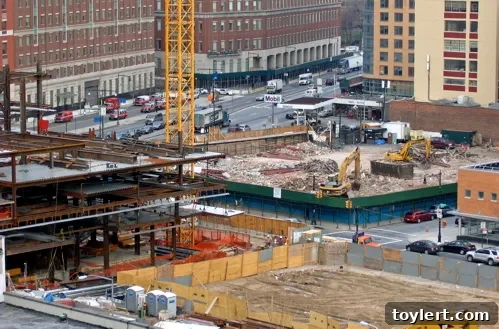
The visual evidence of this rapid development is compelling. Below, a striking photograph captures the current state of affairs from a southeastern vantage point, offering a comprehensive overview of the construction activity. In the foreground, the formidable Apple Group project asserts its significant presence, its scale immediately apparent. To the left, BFC’s tower at 150 Myrtle Avenue stands tall, continuing its upward trajectory. At the top of the frame, the initial stages of Avalon Bay’s ambitious development can be discerned, a testament to the synchronized, yet competitive, efforts reshaping this crucial Brooklyn artery.
Further Reading and Exploration
For those interested in delving deeper into the specifics of these individual projects and the broader context of Brooklyn’s development, the following resources provide additional insights:
New Details on 150 Myrtle Avenue [Brownstoner]
GMAP for 150 Myrtle Avenue
Catsimatidis on Myrtle Revealed [Brownstoner]
GMAP for Apple Group Project
So That’s What Avalon Myrtle Will Look Like! [Brownstoner]
GMAP for Avalon Myrtle