Discovering Ditmas Park’s Architectural Gem: The Historic Home at 481 East 18th Street
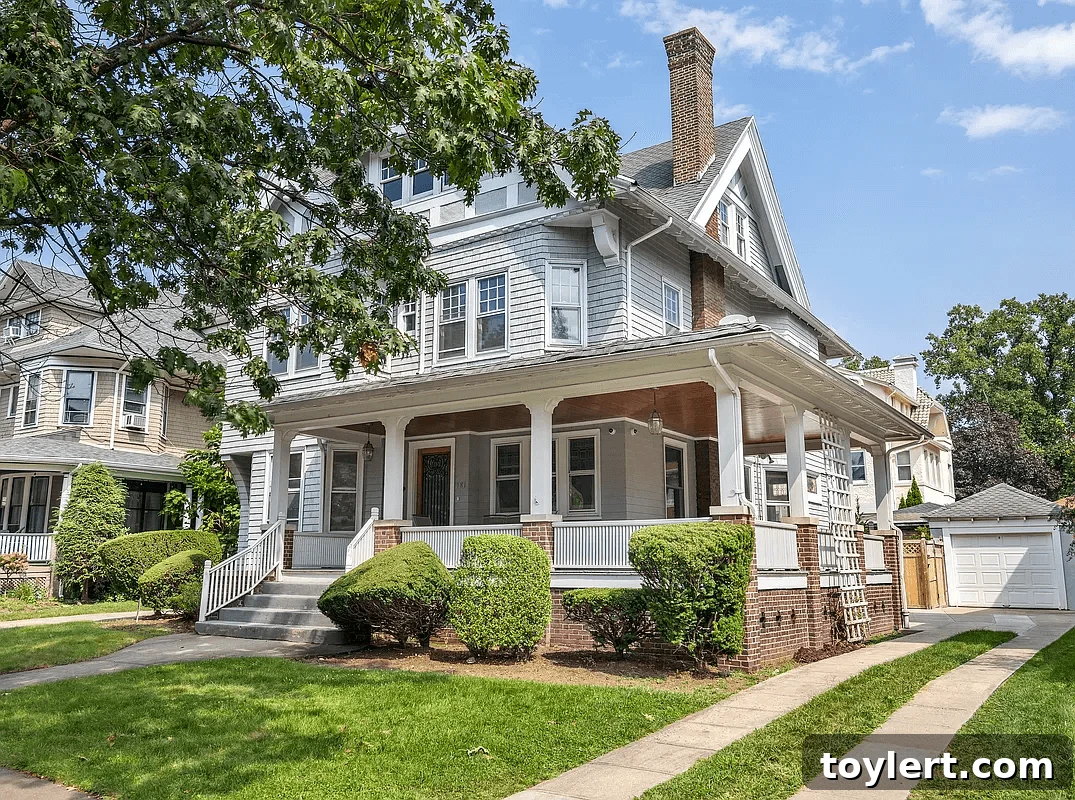
Nestled within the enchanting and verdant streets of Ditmas Park, Brooklyn, stands a magnificent early 20th-century standalone residence that truly captures the essence of historic charm and spacious living. The property at 481 East 18th Street is more than just a house; it’s a testament to a bygone era of meticulous craftsmanship and thoughtful design, seamlessly blended with modern conveniences that make it an ideal sanctuary for contemporary life.
From the moment you approach, the wide front porch extends a welcoming invitation, hinting at the generous hospitality and comfort found within. This ample outdoor space is perfectly suited for neighborhood gatherings, quiet contemplation, or simply enjoying the vibrant community atmosphere that defines Ditmas Park. Step inside, and the home unfolds into expansive living areas, each boasting an array of original details that have been lovingly preserved. Gleaming wood floors stretch throughout, complemented by intricate mantels, classic wainscoting, and exquisite stained glass windows that bathe the interiors in a warm, captivating glow. These elements collectively narrate the story of a home built with enduring quality and a keen eye for aesthetic appeal.
Beyond its aesthetic allure, this single-family Ditmas Park residence offers practical luxuries that enhance everyday living. It features central air conditioning, ensuring comfort through all seasons, and a coveted private garage, a rare and invaluable amenity in New York City. This thoughtful combination of historic elegance and modern functionality positions 481 East 18th Street as a truly exceptional offering in one of Brooklyn’s most beloved and distinguished neighborhoods.
A Masterpiece from Slee & Bryson: Architectural Heritage in Ditmas Park
Completed in 1910, this remarkable home is an integral part of the esteemed Ditmas Park Historic District, a testament to Brooklyn’s rich architectural landscape. Its design is attributed to the prolific and highly respected Brooklyn architectural firm, Slee & Bryson. John Slee and Robert Bryson were renowned for their significant contributions to the borough’s development, particularly their elegant Colonial Revival houses that dot many of Brooklyn’s historic neighborhoods. However, 481 East 18th Street presents a fascinating departure from their typical Colonial Revival oeuvre, showcasing a deliberate and charming nod towards the Tudor architectural style.
Tudor Revival Influences: A Unique Architectural Blend
The house skillfully incorporates distinctive Tudor elements, most notably through its subtle half-timbering and a distinctive jerkinhead gable. Half-timbering, a hallmark of Tudor design, involves exposed structural timbers filled with plaster or other materials, creating a visually striking facade. The jerkinhead gable, characterized by its truncated or “clipped” peak, offers a softer, more complex roofline than a traditional gable, adding a touch of rustic charm and architectural sophistication. While these details contribute significantly to the home’s unique character today, their nuances were even more apparent in historical records, such as the circa 1940 tax photo. Even then, the dense, leafy streets that define Ditmas Park’s aesthetic have always partially obscured some of these intricate features, adding to the neighborhood’s secluded and picturesque ambiance.
This blend of Colonial Revival undertones with specific Tudor embellishments makes 481 East 18th Street a particularly interesting study in early 20th-century American architecture. It reflects a period when architects often drew inspiration from various historical styles, adapting them to create residences that were both grand and comfortable, tailored to the burgeoning suburban tastes of Brooklyn’s affluent families. The choice to incorporate elements like half-timbering and a jerkinhead gable speaks to a desire for individuality and a sophisticated understanding of architectural design, setting this home apart even within the richly diverse architectural tapestry of Ditmas Park.
A Glimpse into the Past: The Zundel Family and Early Ditmas Park Life
The history of 481 East 18th Street is deeply intertwined with the story of its earliest inhabitants. By the 1910 census, shortly after its completion, the dwelling was already a vibrant family home, occupied by Robert W. Zundel, his wife B. Louise Zundel, their three children, and a live-in servant. This snapshot from the early 20th century provides a fascinating window into the lifestyle of a prosperous Brooklyn family in a rapidly developing suburban enclave.
Robert W. Zundel: A Merchant’s Journey
Robert W. Zundel’s personal history is as intriguing as the house itself. Earlier census records reveal a unique detail: he was “born at sea” in the same year his parents immigrated from Germany to the United States. This extraordinary beginning likely shaped a resilient and enterprising character, which he channeled into a successful career as a hardware merchant. Zundel’s entrepreneurial spirit led him to specialize in marine hardware, a niche that, perhaps fittingly given his birthplace, resonated with his origins. He established and operated the R. W. Zundel Co. from a shop conveniently located in Lower Manhattan, serving the bustling maritime industry of New York City.
The Zundel family’s tenure at 481 East 18th Street was a significant chapter in the home’s narrative, lasting until the late 1930s. Their long residence suggests a deep connection to the house and the Ditmas Park community, indicative of the stability and desirability of the neighborhood during its formative years. For nearly three decades, this home was a hub of family life, growth, and community engagement, witnessing the transformation of both the Zundel family and the surrounding area. The presence of a servant also speaks to the economic standing of the family and the social customs of the era, where larger homes and successful careers often afforded such domestic assistance.
Ditmas Park: A Haven of Victorian Grandeur in Brooklyn
To truly appreciate 481 East 18th Street, one must understand the unique character of Ditmas Park itself. This remarkable neighborhood, part of Brooklyn’s broader “Victorian Flatlands,” stands out for its exceptional collection of large, freestanding Victorian and early 20th-century homes. Unlike the brownstones and row houses typically associated with Brooklyn, Ditmas Park offers a distinct suburban feel within an urban setting, characterized by wide, tree-lined streets, expansive lawns, and diverse architectural styles. It’s a verdant oasis that provides a serene escape from the city’s hustle, yet remains incredibly well-connected.
Community, Culture, and Connectivity
Ditmas Park is not just about beautiful homes; it’s about a vibrant, engaged community. Residents enjoy a rich local culture, with a plethora of independent shops, acclaimed restaurants, and charming cafes lining Cortelyou Road and Newkirk Avenue. These commercial strips serve as lively community hubs, offering everything from gourmet groceries to artisan coffee and diverse culinary experiences. The neighborhood’s strong sense of community is fostered through local events, active community associations, and a shared appreciation for its unique heritage.
Accessibility is another key draw for Ditmas Park. Excellent public transportation options, including the B and Q subway lines, provide convenient access to Manhattan and other parts of Brooklyn, making it an attractive location for commuters who desire space and greenery without sacrificing urban connectivity. The neighborhood also boasts a variety of parks and green spaces, offering recreational opportunities for families and individuals alike.
Preserving History, Embracing Modernity
The enduring appeal of homes like 481 East 18th Street lies in their ability to bridge the past and the present. While the architectural integrity and historic details are meticulously preserved, the inclusion of modern amenities such as central air conditioning and a garage underscores a commitment to comfortable, contemporary living. This thoughtful integration ensures that residents can enjoy the timeless beauty and spaciousness of an early 20th-century home without compromising on modern expectations for convenience and efficiency.
Owning a home in the Ditmas Park Historic District means being a steward of history. It appeals to buyers who appreciate the craftsmanship of a bygone era, the stories embedded within its walls, and the unique character that cannot be replicated by new constructions. These properties offer a rare opportunity to live in a piece of Brooklyn’s architectural legacy, contributing to the preservation of one of New York City’s most charming and distinctive neighborhoods. The blend of original wood floors, mantels, wainscoting, and stained glass with essential modern updates creates a living environment that is both authentically historic and perfectly suited for today’s discerning homeowner.
The Enduring Allure of 481 East 18th Street
In conclusion, 481 East 18th Street stands as a magnificent example of Ditmas Park’s enduring appeal. Its spacious interiors, rich original details, and a fascinating blend of Colonial Revival and Tudor architectural styles, courtesy of Slee & Bryson, tell a compelling story. From the unique journey of its first resident, Robert W. Zundel, to its place within a cherished historic district, this home embodies the elegance and historical depth that define this exceptional Brooklyn neighborhood. It represents not just a dwelling, but a piece of living history, offering a rare opportunity to experience the best of classic Brooklyn charm combined with modern comfort in a truly remarkable setting.