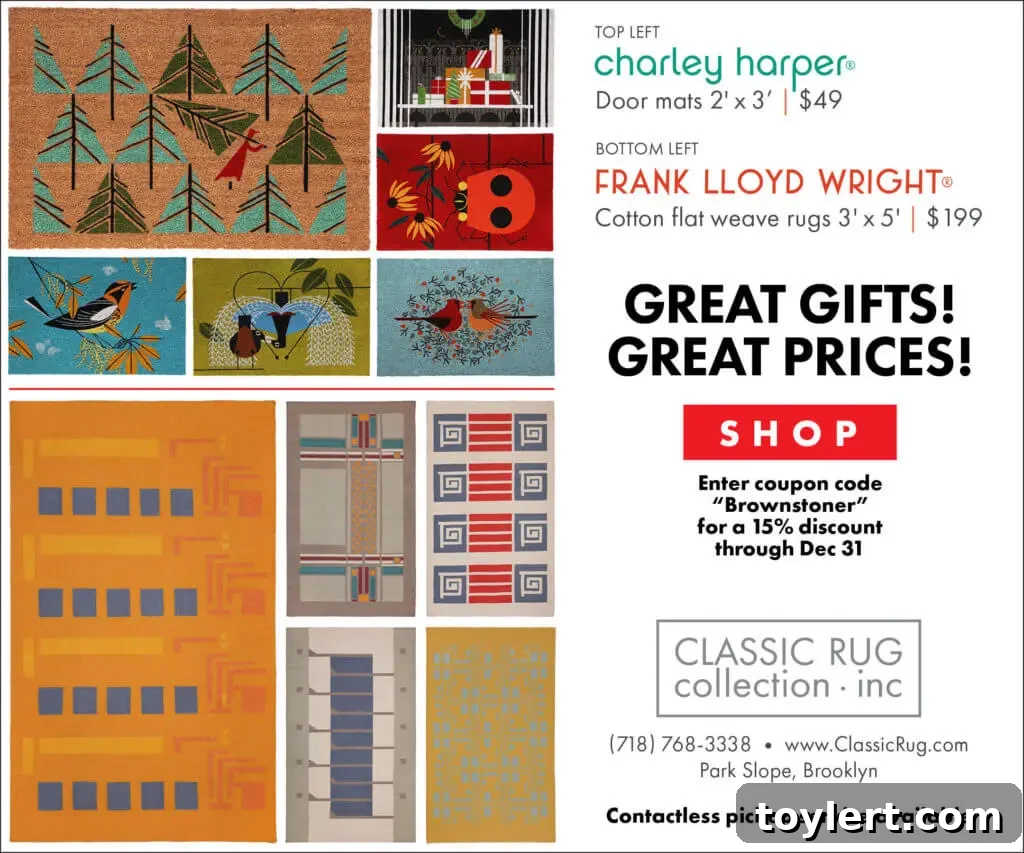
Unveiling the Timeless Elegance of Classic Rugs: Your Ultimate Guide to Home Transformation
Rugs are more than just floor coverings; they are the soul of a room, anchors for furniture, and vibrant canvases that tell a story. In the realm of home décor, classic rugs stand as an enduring testament to artistry, tradition, and timeless beauty. Whether you’re furnishing a new home, revitalizing an existing space, or simply seeking that perfect accent piece, understanding the profound impact and versatility of classic rugs can transform your living environment into a haven of style and comfort. This comprehensive guide delves into the world of classic rugs, helping you choose, care for, and appreciate these magnificent pieces that promise to elevate any interior.
Why Rugs Matter: Beyond Mere Decoration
A well-chosen rug does far more than just cover a bare floor. It defines zones in an open-plan space, adds warmth and texture, and significantly improves acoustics by absorbing sound. Rugs protect your flooring, provide a soft landing underfoot, and introduce a crucial element of comfort. More importantly, they serve as a powerful decorative tool, capable of tying together a room’s color palette, introducing visual interest, and creating a cohesive, inviting atmosphere. Classic rugs, with their rich heritage and intricate designs, bring an unparalleled sense of sophistication and history into modern homes, bridging the gap between past and present.
The Timeless Appeal of Classic Rugs: A Legacy of Beauty
What makes a rug “classic”? It often refers to styles inspired by traditional designs, particularly those with a rich history from regions like Persia, Turkey, India, and China. These rugs are renowned for their intricate patterns, often featuring floral motifs, medallions, geometric designs, and ornate borders. Crafted using time-honored techniques, often by hand, classic rugs embody a level of craftsmanship and detail that is hard to replicate. They are not merely decorative items but pieces of art, each knot contributing to a legacy passed down through generations. Investing in a classic rug means bringing a piece of this enduring artistry into your home, a piece that often appreciates in value and beauty over time.
Choosing the Perfect Classic Rug: A Comprehensive Guide
Selecting the ideal rug can feel daunting with the myriad of options available. However, by considering a few key factors, you can navigate the choices and find a classic rug that perfectly complements your home and lifestyle.
Understanding Rug Materials: The Foundation of Quality
The material of your rug dictates its look, feel, durability, and maintenance requirements. Classic rugs are typically made from natural fibers, though modern interpretations may incorporate synthetics.
- Wool: The most popular material for classic rugs, wool is incredibly durable, naturally stain-resistant, flame-retardant, and soft underfoot. It holds dyes beautifully, resulting in rich, vibrant colors. Wool rugs are an excellent investment, offering longevity and luxurious comfort.
- Silk: Known for its exquisite sheen and delicate texture, silk rugs are often considered luxury items. They are incredibly soft and strong, but also more delicate and expensive than wool. Silk is frequently used for accent rugs or areas with less foot traffic.
- Cotton: Lighter and more casual than wool or silk, cotton rugs are often used for flat-weave rugs like Kilims. They are durable, easy to clean, and more affordable, offering a rustic or informal classic look.
- Jute/Sisal: These natural plant fibers offer a distinct texture and earthy aesthetic. While durable, they can be rougher underfoot and are often used for layered looks or high-traffic areas where texture is prioritized over softness.
- Synthetics (e.g., Polyester, Polypropylene): While less traditional for classic designs, synthetic rugs are highly durable, stain-resistant, fade-resistant, and budget-friendly. Modern manufacturing has improved their look and feel, making them a practical choice for busy households, although they lack the natural appeal and longevity of wool or silk.
Styles and Designs: A World of Pattern and History
The term “classic rug” encompasses a vast array of styles, each with its own unique history and aesthetic. Understanding these styles can help you pinpoint the perfect match for your décor.
- Persian Rugs: Renowned for their intricate floral motifs, medallions, and detailed patterns, Persian rugs are the epitome of elegance. They come in rich color palettes and are highly valued for their craftsmanship and cultural significance.
- Oriental Rugs: A broader category that includes Persian, Turkish, Indian, and Chinese rugs. These often feature dense patterns, vibrant colors, and deep cultural symbolism.
- Traditional Rugs: A more generalized term for rugs that draw inspiration from classic designs, including European Aubusson or Savonnerie styles with their elegant scrollwork and muted palettes.
- Kilim Rugs: Flat-woven rugs (no pile) known for their geometric patterns, vibrant colors, and often reversible nature. They originate from various regions and offer a more casual, bohemian classic look.
- Transitional Rugs: These bridge the gap between classic and contemporary, often featuring traditional patterns with a modern twist, such as simplified designs or updated color schemes.
Sizing and Placement: Creating Harmonious Spaces
The right rug size is crucial for defining a space and ensuring furniture is appropriately grounded. A rug that is too small can make a room feel disjointed, while one that is too large might overwhelm it.
- Living Room: For open-plan spaces, the rug should be large enough to accommodate all major furniture pieces (sofa, armchairs) with at least the front legs resting on the rug. In smaller rooms, ensure at least the front two legs of the main seating pieces are on the rug. A common mistake is choosing a rug that is too small.
- Dining Room: The rug should be large enough so that when chairs are pulled out from the table, all four legs remain on the rug. This typically means adding at least 24 inches (60 cm) to all sides of your dining table’s dimensions.
- Bedroom: A large rug under the bed can unify the space. It should extend at least 18-24 inches (45-60 cm) beyond the sides and foot of the bed. Alternatively, two smaller runners on either side of the bed offer warmth underfoot.
- Hallways: Runners are ideal for hallways, ensuring they leave several inches of flooring visible on either side and are not so long that they touch walls at both ends.
Color and Pattern: Harmonizing with Your Existing Décor
Consider the existing colors in your room – walls, furniture, drapes – when selecting a rug. A classic rug can either complement these colors by featuring similar tones or provide a striking contrast that serves as a focal point. If your furniture is neutral, a patterned classic rug can add much-needed visual interest. If your room is already rich in pattern, a more subdued classic design or one with fewer colors might be more appropriate. Don’t be afraid to mix patterns, but ensure there’s a common thread, such as a shared color or style, to maintain harmony.
The Investment in Quality: Durability and Longevity
When considering a classic rug, quality is paramount. A high-quality rug, especially one made from natural fibers like wool, can last for decades, becoming a cherished family heirloom. Look for tight weaves, dense piles, and strong, even knots. These indicators suggest superior craftsmanship and durability, ensuring your investment stands the test of time.
Handmade vs. Machine-made: Craftsmanship and Value
- Handmade Rugs: These are truly unique works of art, often made from natural fibers like wool or silk. Each knot is tied by hand, resulting in slight imperfections that add to their character and authenticity. Handmade rugs are more expensive but are built to last for generations and often appreciate in value.
- Machine-made Rugs: Produced quickly and uniformly by machines, these rugs are generally more affordable and offer a vast range of designs. While modern technology has improved their quality, they typically lack the intricate detail, unique character, and longevity of handmade pieces.
Caring for Your Classic Rug: Tips for Maintenance and Longevity
Proper care is essential to preserve the beauty and extend the life of your classic rug. With a few simple practices, you can keep your rug looking pristine for years.
Regular Cleaning and Professional Care
- Vacuum Regularly: Gently vacuum your rug at least once a week to remove dirt and dust particles. Use a vacuum cleaner without a beater bar or one set to a high pile setting to avoid damaging the fibers.
- Rotate Periodically: Rotate your rug every 6-12 months to ensure even wear and prevent one area from fading more than others due to sunlight exposure.
- Address Spills Immediately: Blot spills with a clean, white cloth, working from the outside of the stain inwards. Avoid rubbing, as this can spread the stain and push it deeper into the fibers. For stubborn stains, consult a professional.
- Professional Cleaning: Depending on foot traffic and material, most classic rugs benefit from professional cleaning every 2-5 years. Professional cleaners have the expertise and equipment to deep clean your rug without causing damage.
Protecting Your Rug Investment
- Use a Rug Pad: A quality rug pad not only prevents your rug from slipping but also provides cushioning, extends its life by reducing wear, and protects your underlying floor.
- Avoid Direct Sunlight: Prolonged exposure to direct sunlight can cause colors to fade. Use blinds or curtains to protect your rug during peak sun hours.
- Trim Loose Threads: Never pull a loose thread; instead, carefully trim it with sharp scissors to prevent further unraveling.
Classic Rugs: A Legacy of Beauty for Every Home
Classic rugs are more than just decorative accents; they are investments in style, comfort, and heritage. They offer unparalleled warmth, character, and sophistication, transforming any room into a reflection of refined taste. By carefully considering materials, styles, sizes, and proper care, you can select a classic rug that not only enhances your home’s aesthetic but also becomes a cherished centerpiece for generations to come. Explore the vast world of classic rugs and discover the perfect piece to begin your home’s transformation journey.