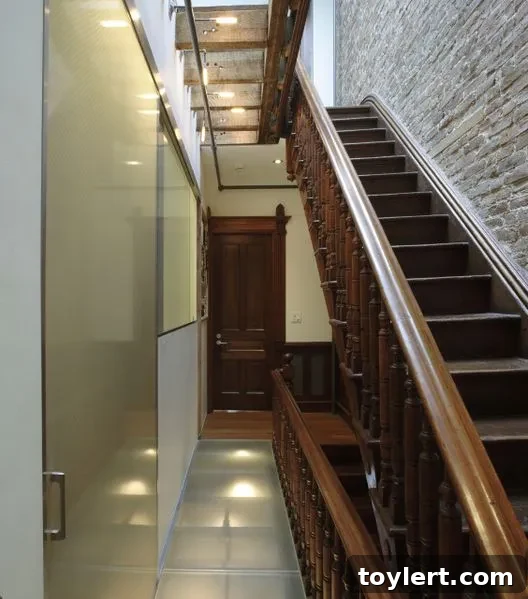
The Insider: Unveiling a Stunning Vertical Loft House in Park Slope, Brooklyn
Welcome to The Insider, Brownstoner’s highly anticipated weekly dive into the fascinating world of interior design and home renovation across the vibrant borough of Brooklyn. Published every Thursday at 11:30 AM, this series brings you unparalleled insights and inspiration. Today, we’re thrilled to present an exclusive feature on a magnificent vertical loft house in the coveted Park Slope neighborhood. This compelling narrative is expertly written and produced by the acclaimed Cara Greenberg, whose extensive knowledge of old houses and their potential shines through in her blog, casaCARA: Old Houses for Fun & Profit.
Embracing Verticality: A Modern Approach to Brooklyn Living
Brooklyn’s architectural landscape is rich with history, characterized by its iconic brownstones, row houses, and pre-war buildings. While these structures offer immense charm and character, they often present unique challenges when modern living demands more space, light, and an open aesthetic. The concept of a “vertical loft house” emerges as an ingenious solution, particularly in dense urban environments like Park Slope, where horizontal expansion is often impossible. This design philosophy redefines traditional multi-story homes, transforming them into interconnected, soaring spaces that celebrate height and natural light.
A vertical loft is far more than just a house with multiple floors; it’s a carefully orchestrated design that creates visual continuity and an expansive feel across different levels. Instead of compartmentalized rooms on each floor, a vertical loft often features double-height ceilings, open mezzanines, and strategically placed voids that allow light to penetrate deep into the core of the home. This approach not only maximizes the sense of openness but also fosters a dynamic, interactive living environment where different areas, though separated vertically, remain visually and acoustically connected.
The Allure of Park Slope: Where History Meets Modernity
Park Slope stands as one of Brooklyn’s most desirable neighborhoods, renowned for its stunning tree-lined streets, elegant brownstones, and proximity to Prospect Park. It’s a community that prides itself on preserving its historical integrity while simultaneously embracing contemporary lifestyles. Renovating a home in Park Slope is a delicate dance between honoring the past and envisioning the future. For homeowners seeking an elevated living experience, transforming a traditional residence into a vertical loft offers an exciting opportunity to inject modern functionality and aesthetic without sacrificing the neighborhood’s quintessential charm.
This particular vertical loft house, potentially located near the historic Lincoln Place as suggested by its original imagery, embodies the very essence of this balance. The challenge often lies in how to introduce expansive open spaces and contemporary design elements into a structure originally built for a more segmented way of life. Architects and designers must cleverly navigate existing load-bearing walls, ceiling heights, and façade regulations to bring their visions to life. The result, as seen in this featured project, is a residence that feels both grand and intimate, rooted in its Brooklyn heritage yet boldly modern in its execution.
Design Philosophy: Maximizing Light, Space, and Connection
The core design philosophy behind this vertical loft in Park Slope revolves around three crucial pillars: maximizing natural light, optimizing every inch of vertical and horizontal space, and fostering a profound sense of connection throughout the home. Cara Greenberg’s analysis often emphasizes these elements as key to successful urban renovations, particularly in structures with limited footprints.
Strategic Light Infiltration
Natural light is a precious commodity in urban settings. In a vertical loft, this is often achieved through a combination of:
- Expansive Windows: Replacing smaller, traditional windows with larger, often floor-to-ceiling panes that draw light deep into the interior.
- Skylights: Strategically placed skylights at the top of the vertical shafts or over stairwells funnel sunlight down through multiple levels.
- Open Staircases: Instead of enclosed stairwells, open-tread or glass-railed staircases allow light to flow unobstructed.
- Light-Colored Palettes: Using white or pale hues on walls and ceilings reflects light, making spaces feel larger and brighter.
Ingenious Space Optimization
With verticality as the dominant theme, clever space-saving and utilization techniques are paramount:
- Built-in Storage Solutions: Custom cabinetry, integrated shelving, and concealed storage help maintain a minimalist aesthetic while keeping clutter at bay.
- Multi-functional Zones: Areas that can serve dual purposes, such as a dining area that doubles as a workspace or a guest bed that folds away.
- Mezzanine Levels: Creating intermediate floors for studies, reading nooks, or guest bedrooms that overlook the main living spaces without fully enclosing them.
- Fluid Layouts: Minimizing unnecessary walls and doors to create an effortless flow between living, dining, and kitchen areas, visually expanding the footprint.
Fostering Inter-Level Connection
A true vertical loft transcends individual floors, creating a cohesive living experience:
- Visual Sightlines: Designing open voids and cut-outs that allow views from one floor to another, promoting a sense of grandeur and spatial continuity.
- Central Architectural Elements: Often, the staircase becomes a sculptural focal point, connecting the levels both functionally and aesthetically.
- Consistent Material Palettes: Using similar flooring, wall treatments, or accent materials across different levels helps unify the design.
The Renovation Journey: From Concept to Reality
Undertaking a renovation of this magnitude in a historic Brooklyn brownstone is no small feat. It involves meticulous planning, structural engineering expertise, and a keen eye for design. Cara Greenberg, with her background in “Old Houses for Fun & Profit,” understands the intricacies involved in breathing new life into aged structures.
The journey likely began with extensive structural modifications. Removing internal walls and ceilings to create double-height spaces requires careful consideration of load-bearing structures and the introduction of new supports. This phase is critical and demands collaboration with skilled architects and structural engineers to ensure safety and integrity.
Beyond the structural work, integrating modern systems – plumbing, electrical, HVAC – into an older building while maintaining a sleek, uncluttered aesthetic presents its own set of challenges. The goal is always to achieve state-of-the-art functionality without compromising the clean lines and open feel characteristic of a loft. Permitting and navigating New York City building codes also form a significant part of the renovation process, often requiring patience and diligent adherence to regulations.
However, the reward is a home that offers an unparalleled urban living experience. The transformation from a series of confined rooms into an expansive, light-filled vertical sanctuary is truly remarkable, reflecting a deep understanding of modern design principles applied within a historical context.
Interior Accents: Crafting a Cohesive Aesthetic
While the architectural structure defines the “vertical loft,” the interior accents and finishes breathe life into the space, establishing its unique character. The chosen aesthetic for this Park Slope gem likely leans towards a sophisticated blend of industrial chic and warm minimalism, reflecting current Brooklyn design trends.
- Kitchen as the Heart: In an open-plan vertical loft, the kitchen often serves as a visual anchor. It might feature sleek, handle-less cabinetry, high-end integrated appliances, and a substantial island that doubles as a dining surface or casual gathering spot. Materials like polished concrete, reclaimed wood, or stainless steel could be harmoniously combined.
- Living Areas for Relaxation and Entertainment: Furniture choices would prioritize comfort, form, and functionality, perhaps with modular sofas that adapt to various social settings. Art pieces and strategically placed lighting fixtures would define zones within the larger open space without creating physical barriers.
- Bedrooms as Private Retreats: While the common areas embrace openness, bedrooms would offer a sense of secluded tranquility. Here, softer textures, muted color palettes, and thoughtful lighting would create a calming atmosphere, often with expansive views connecting them back to the urban landscape.
- Bathrooms of Modern Serenity: Contemporary fixtures, spa-like finishes such as large format tiles, walk-in showers, and integrated storage units would contribute to a luxurious and functional bathroom experience.
- The Staircase as Art: Given its central role, the staircase itself often becomes a key design element. Whether a minimalist floating design, a robust industrial structure, or a beautifully crafted timber masterpiece, it guides the eye upwards and connects the home’s narrative.
Cara Greenberg consistently highlights how thoughtful material selection—from exposed brick walls that nod to the building’s past, to refined wood floors, and industrial-inspired metalwork—can beautifully bridge the gap between historic charm and contemporary elegance. Each choice contributes to a cohesive aesthetic that is both stunning and eminently livable.
Cara Greenberg’s Vision: Old Houses for Fun & Profit
Cara Greenberg’s passion for “Old Houses for Fun & Profit” is evident in every detail of this feature. Her ability to identify the inherent potential in historic structures and guide readers through the transformation process is what makes her contribution to Brownstoner so invaluable. She understands that renovating an old house isn’t just about updating aesthetics; it’s about respecting its history while adapting it for a vibrant future.
Her insights often extend beyond mere decor, delving into the practicalities of renovation, the joys and challenges of preserving architectural heritage, and the smart investment potential inherent in thoughtfully restored properties. This particular vertical loft house serves as a prime example of how ambitious vision, combined with expert execution, can yield a truly extraordinary home that not only enhances the owners’ quality of life but also significantly increases property value in a highly competitive market like Brooklyn.
Join “The Insider” Every Thursday
We invite you to join us weekly for The Insider to continue exploring the dynamic world of Brooklyn interior design and renovation. Whether you’re a homeowner contemplating a major overhaul, a design enthusiast seeking inspiration, or simply curious about the innovative ways people are transforming urban spaces, Cara Greenberg’s expertly curated features offer a wealth of knowledge and visual delight. Each article provides a deep dive into projects that exemplify creativity, problem-solving, and a keen understanding of modern living needs within historic frameworks.
Don’t miss out on upcoming editions as we continue to uncover the most compelling design stories and renovation triumphs across Brooklyn. Mark your calendars for Thursdays at 11:30 AM!