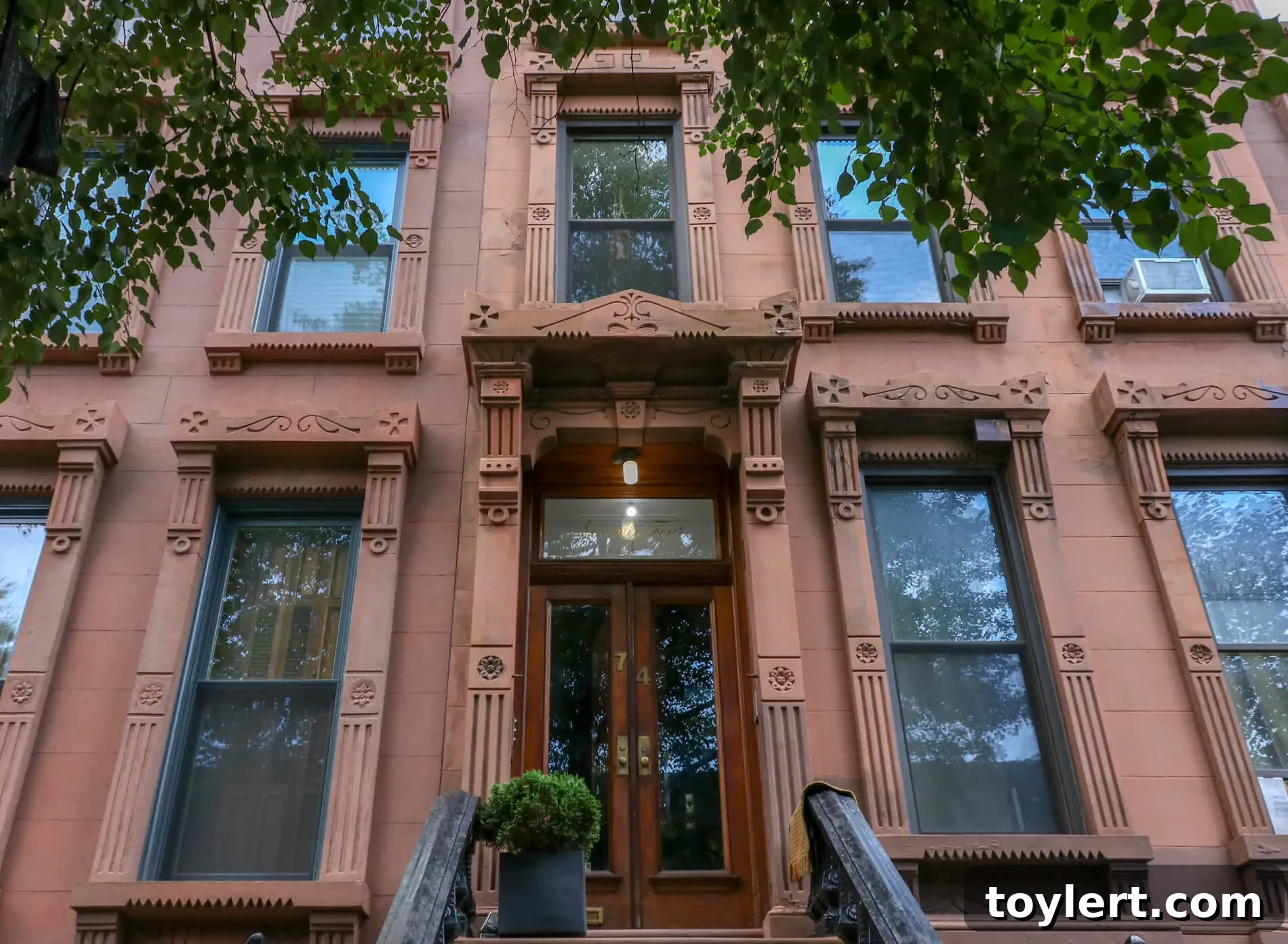
Unveiling the Timeless Charm: Restoring or Replacing Historic Wood Windows in Brownstones
Brownstones stand as enduring symbols of architectural elegance, and among their most defining features are the tall, narrow wood windows that gaze out onto historic streets. For many fortunate homeowners, these century-old windows remain, whispering tales of generations past. The question often arises: are these venerable windows worth saving and restoring to their former glory, or is replacement the more practical path? Navigating this decision requires a nuanced understanding of their condition, historical significance, and the long-term benefits of each approach.
The initial instinct might be to replace old windows, assuming they are inefficient or beyond repair. However, this isn’t always the case. Original wood windows, particularly those found in historic brownstones, were often crafted with superior materials and joinery techniques that surpass many modern mass-produced alternatives. With the right expertise, many can be meticulously restored, not just preserving the architectural integrity of the home but often outperforming new, less durable replacements in the long run.
Identifying Windows Worth Saving: A Professional’s Insight
So, how can a brownstone owner determine if their cherished wood windows are candidates for restoration? The answer often lies in the details, readily identifiable by experienced professionals. Peter Madias of Method Restoration, a renowned window restoration company, emphasizes key indicators:
- Joinery: “Anybody that does this can look at a sash and say with pretty good certainty whether it’s original or not just by the joinery,” Madias explains. The way the wood pieces are connected – often with mortise and tenon joints – is a hallmark of original, high-quality craftsmanship. Modern windows frequently use less durable finger joints or even staples.
- Weights and Chains: “Another giveaway is when you see the weights and chains.” The presence of a sash weight and pulley system, concealed within the window frame, is a strong indication of an original double-hung window. This mechanism, while seemingly old-fashioned, is remarkably durable and easily repairable, allowing for smooth, balanced operation.
Beyond these expert observations, homeowners can also look for other signs: Is the majority of the wood sound, even if paint is peeling or some sections show minor rot? Are the glass panes original (often identifiable by subtle imperfections or waves)? Even extensively deteriorated windows can often be salvaged if the core structure of the sash and frame remains largely intact. True restoration focuses on repairing and reinforcing original components rather than simply replacing them, retaining the authentic character and material integrity of the brownstone.
The Art of Restoration: Preserving History, Enhancing Performance
Window restoration is a specialized craft that goes far beyond a simple paint job. It involves a multi-step process designed to bring historic windows back to their optimal condition, both aesthetically and functionally. This typically includes:
- Sash Removal and Disassembly: Each sash is carefully removed from the frame and often disassembled to access all components.
- Wood Repair: Deteriorated or rotted wood sections are meticulously repaired using epoxy consolidants and wood Dutchman patches, ensuring structural integrity while preserving as much original material as possible.
- Reglazing: Old, failing putty is removed, and the glass panes are cleaned and reset with new glazing compound, creating a tight, weather-resistant seal.
- Hardware Restoration: Original locks, lifts, and hinges are cleaned, repaired, or replaced with historically accurate reproductions. The sash weight and pulley system is inspected, lubricated, and repaired to ensure smooth operation.
- Weatherstripping: Modern, discreet weatherstripping is installed to significantly reduce drafts and improve energy efficiency without altering the window’s historic appearance.
- Painting and Finishing: The sashes and frames are properly primed and painted, protecting the wood and completing the aesthetic restoration.
This detailed process not only revives the beauty of the windows but also dramatically improves their performance. Restored windows, when properly weatherstripped and perhaps paired with interior or exterior storm windows, can often achieve energy efficiency levels comparable to, or even exceeding, many new replacement windows.
When Replacement Becomes Necessary: A Pragmatic Approach
While the preference in historic preservation is always for restoration, there are instances where replacement becomes the more sensible, or even unavoidable, option. This usually occurs when the original window’s condition has deteriorated to a point where restoration is either structurally impossible, prohibitively expensive, or would result in a window that no longer retains a significant portion of its original material or character.
Key indicators that might necessitate replacement include:
- Extensive, Irreparable Rot: If the sashes, frames, or sills are severely compromised by rot throughout their structure, making them structurally unsound or too fragile to repair effectively.
- Complete Loss of Original Components: If the windows have already been replaced multiple times with unsympathetic modern units, or if the original frames and sashes are entirely missing, there may be nothing left to restore.
- Significant Structural Damage: Damage from fire, severe impact, or long-term neglect that has warped or shattered the window beyond the scope of traditional repair.
Even in cases of necessary replacement, homeowners of brownstones, especially those in landmarked districts, should strive to select new windows that are historically appropriate in design, material, and operational style. This often means opting for custom-built wood windows that replicate the original sightlines, profiles, and glass patterns, ensuring the new windows blend seamlessly with the historic aesthetic of the building.
Weighing the Decision: Restoration vs. Replacement
The choice between restoring and replacing old wood windows in a brownstone is a complex one, influenced by several factors:
- Cost: While initial restoration costs can sometimes seem high, it’s essential to compare them to the long-term value. High-quality replacement windows, especially those custom-built for historic homes, are also very expensive. Restoration often offers a better return on investment over time, as restored windows can last for decades more with proper maintenance.
- Historical Accuracy & Aesthetic Value: Restoration preserves the unique character and craftsmanship of your home. Original windows are integral to a brownstone’s identity. Replacement, even with historically sensitive windows, is still a departure from the original fabric.
- Energy Efficiency: As discussed, a well-restored window with proper weatherstripping and storm windows can be highly energy-efficient. It’s a misconception that all old windows are inherently drafty.
- Environmental Impact: Restoration is inherently a sustainable choice. It reduces waste by keeping materials out of landfills and avoids the energy consumption and carbon footprint associated with manufacturing new windows.
- Landmark and Historic District Regulations: If your brownstone is located within a landmarked district or is itself a designated landmark, you will almost certainly be required to restore your windows or replace them with exact replicas, following strict guidelines set by local preservation commissions. Failing to comply can lead to fines and legal complications.
Maximizing Energy Efficiency in Historic Windows
A primary concern for many homeowners regarding old windows is energy efficiency. Modern replacement windows often tout superior R-values, but this doesn’t tell the whole story. Much of the heat loss in older windows comes from air infiltration (drafts), not conduction through the glass or wood.
Effective strategies for improving the energy performance of restored or original wood windows include:
- Comprehensive Weatherstripping: Installing high-quality, discreet weatherstripping around all sashes and frames is perhaps the most impactful step to stop drafts.
- Storm Windows: Adding interior or exterior storm windows provides an additional layer of insulation and creates an insulating air pocket, significantly improving thermal performance. These can be custom-made to match the existing window aesthetics.
- Proper Glazing: Ensuring the glass is securely set with fresh, flexible glazing compound prevents leaks and drafts.
- Tight-Fitting Sashes: During restoration, sashes are often adjusted to fit more snugly within their frames, further reducing air leakage.
These measures, combined with the inherent insulating properties of solid wood, can make restored windows remarkably efficient and comfortable.
Maintaining Your Historic Windows for Longevity
Whether you choose to restore your windows or they are already in excellent original condition, proper maintenance is key to ensuring their longevity. Regular care can prevent minor issues from becoming major problems:
- Regular Cleaning: Keep glass and frames clean to prevent grime buildup that can trap moisture.
- Inspect Paint and Putty: Periodically check for peeling paint or cracking glazing putty. Address these issues promptly to protect the wood from moisture infiltration.
- Lubricate Hardware: Keep sash pulleys and locks lubricated to ensure smooth operation.
- Check Weatherstripping: Inspect weatherstripping annually and replace it if it becomes worn or damaged.
- Address Rot Early: If you notice small areas of rot, consult a professional immediately. Early intervention can prevent widespread damage.
Finding the Right Expertise
The decision to restore or replace, and the execution of either, should always involve qualified professionals experienced in historic preservation. As Peter Madias’s insights highlight, identifying the true condition and potential of old windows requires a trained eye. Seek out companies specializing in historic window restoration or architectural preservation. They understand the unique challenges and requirements of older homes, ensuring that any work done respects the building’s historical integrity while delivering lasting quality.
A Heritage Worth Protecting
In conclusion, the tall, narrow wood windows of brownstones are more than just openings; they are integral components of architectural heritage. Before opting for a complete replacement, consider the profound value of restoration. It’s an investment in preserving history, enhancing the unique character of your home, and often achieving excellent long-term performance and sustainability. With expert guidance and thoughtful care, these timeless features can continue to grace your brownstone for another century and beyond, connecting its past to its future.