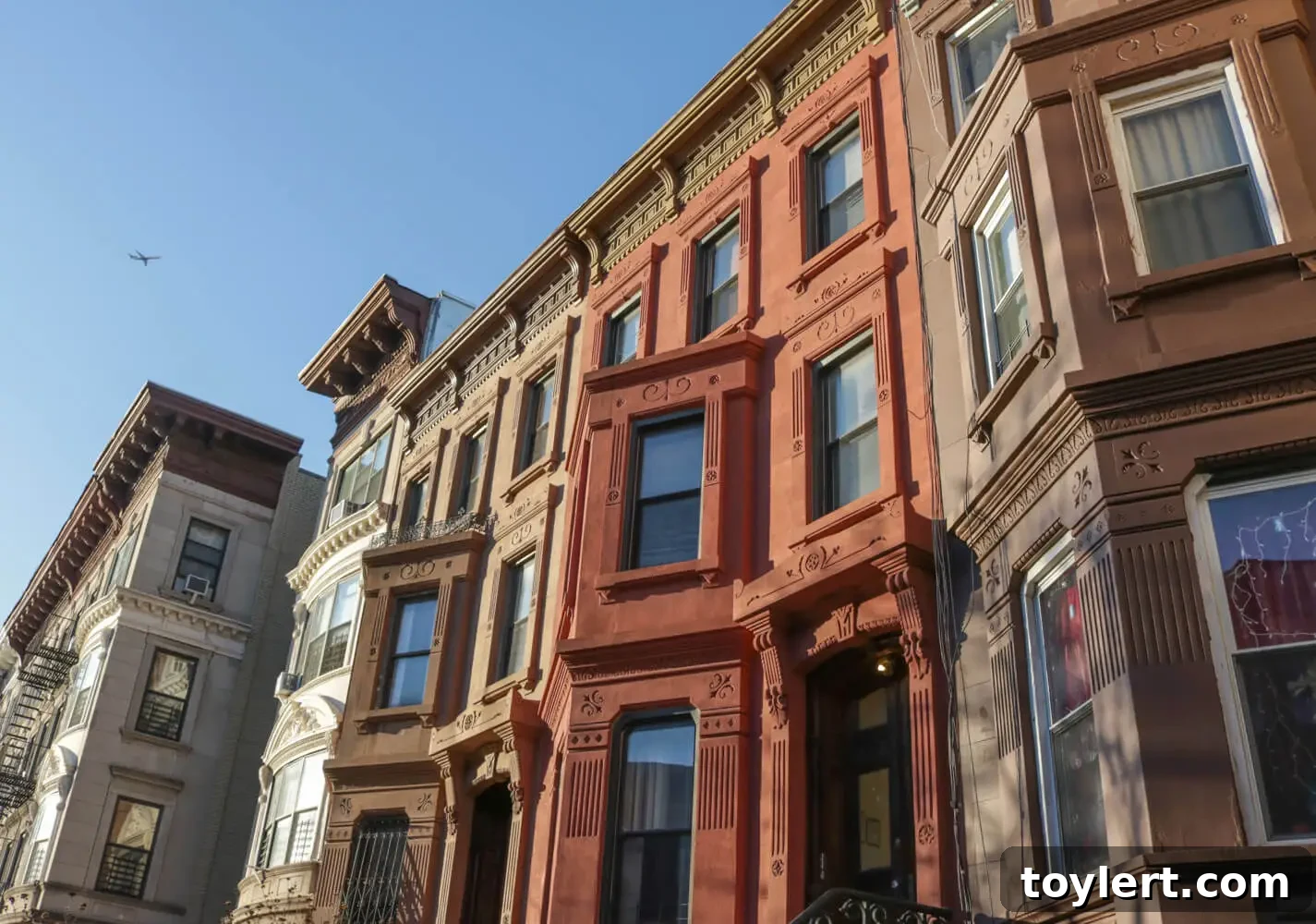
The echoes of past economic turbulence are once again reverberating through the housing market, as a new wave of challenges threatens homeowners across New York City, particularly in Brooklyn and Queens. Following unprecedented economic disruptions triggered by the COVID-19 pandemic, many homeowners are grappling with a significant loss of income or employment. This financial strain is pushing mortgage default rates to concerning levels, potentially rivaling or even surpassing those witnessed in the aftermath of the devastating 2008 financial crisis. This stark warning comes from a supervising attorney at The Legal Aid Society, highlighting the urgent need for attention and intervention for vulnerable families.
The gravity of the situation became acutely apparent at the start of 2022. After a temporary reprieve provided by a crucial foreclosure moratorium – a measure enacted to shield vulnerable homeowners from the pandemic’s severe economic repercussions – came to an end, the floodgates began to open. Since January 1, 2022, Brooklyn alone has seen over 1,000 pre-foreclosure notices, formally known as lis pendens, filed against its residents. These notices serve as an ominous precursor, signaling the initial stages of legal action that could ultimately lead to the loss of a home and significant financial distress for the affected households.
Analyzing the data compiled by PropertyShark, a leading real estate analytics firm, offers a clearer picture of the escalating crisis within the New York City metropolitan area. In the first quarter of 2022, spanning from January through March, a total of 501 pre-foreclosure notices were lodged against individual co-op and condo units, as well as townhouses containing one, two, or three units across Brooklyn. During this same period, 30 actual foreclosures were finalized, displacing homeowners and reshaping the local real estate landscape. The trend showed no signs of abating in the second quarter. Between April and the close of June, an additional 508 lis pendens were issued, culminating in 17 more properties being foreclosed upon. These combined figures underscore a steady and concerning rise in financial distress among a significant segment of the homeowner population in Brooklyn, suggesting a deepening challenge.
Historically, Brooklyn has often been identified as the borough experiencing the highest volume of foreclosures within New York City, a trend typically attributed to its diverse housing stock and demographic makeup. However, the latest PropertyShark data reveals an interesting and significant shift in this pattern. While Brooklyn continues to face considerable challenges, Queens has emerged as the new epicenter of foreclosure activity. Out of the 199 foreclosures that transpired citywide over the past three months, a striking 124—more than 62%—were concentrated in Queens. This geographical shift warrants closer examination to understand the underlying economic vulnerabilities specific to different neighborhoods and communities within the city, pointing to potential localized economic stressors.
Understanding the Roots of the Current Foreclosure Wave
The current surge in mortgage defaults is intrinsically linked to the unprecedented economic upheaval caused by the COVID-19 pandemic. Millions of Americans faced immediate job losses, reduced work hours, or the closure of small businesses, leading to a substantial and often sudden erosion of household incomes. While government stimulus packages and enhanced unemployment benefits provided a temporary safety net for many, these crucial measures have largely expired. This expiration has left numerous families to navigate a challenging economic recovery on their own, often without sufficient financial reserves. Compounding the issue are persistent inflationary pressures, which have relentlessly driven up the cost of living, from essential groceries and transportation to energy bills and housing expenses, further squeezing already strained household budgets. For homeowners, particularly those who were living paycheck-to-paycheck even before the pandemic, maintaining consistent mortgage payments has, for many, become an insurmountable hurdle in this new economic climate.
Beyond the immediate income shocks, a significant number of households were forced to deplete their hard-earned savings during the initial phases of the pandemic to cover essential living expenses and unexpected costs. With these vital safety nets now gone, and without a robust return to pre-pandemic income levels or job security, their financial resilience has significantly diminished. Moreover, for many, the end of critical mortgage forbearance programs—where lenders allowed borrowers to temporarily pause or reduce their payments—means that deferred payments are now coming due. These often appear as large lump sums or significantly increased monthly installments, which a substantial portion of borrowers simply cannot afford. This unfortunate confluence of factors creates a perfect storm, pushing otherwise stable and responsible homeowners into default, despite their best efforts to remain current on their obligations.
The Shadow of 2008: A Historical Perspective on Housing Crises
The comparison to the 2008 financial crisis is not made lightly and carries significant weight for those concerned with housing stability. While the immediate triggers for the current crisis differ fundamentally—a global pandemic that forced a sudden halt to economic activity versus a speculative subprime mortgage lending meltdown—the potential outcomes for homeowners bear chilling similarities. The 2008 crisis was characterized by risky and often predatory lending practices, the subsequent collapse of the housing bubble, and a widespread economic recession, ultimately leading to millions of foreclosures nationwide and a prolonged period of economic instability. The current situation, however, stems from an external health crisis that disproportionately impacted employment and income stability across nearly all economic sectors, rather than flaws inherent in the financial products themselves.
One key difference from the housing market prior to 2008 is that lending standards leading up to the pandemic were generally much stricter and more responsibly regulated. This meant that fewer homeowners were entangled in highly speculative or predatory loan products. However, the sheer scale of the pandemic’s economic impact meant that even those with conventional, responsible mortgages—individuals who had previously demonstrated financial prudence—could suddenly find themselves unable to meet their payment obligations due to job loss or illness. The valuable lessons learned from 2008 did inform the government’s rapid response, leading to the swift implementation of foreclosure moratoriums and robust forbearance options. These measures undoubtedly prevented a more immediate and catastrophic wave of defaults. Yet, as these crucial protections expire, the underlying financial fragility of many households is being exposed, raising legitimate concerns that the delayed impact could still prove to be severe and widespread across urban centers like New York City.
Implications for Homeowners and the Broader Real Estate Market
For individual homeowners, facing foreclosure is a profoundly distressing and often traumatic experience. It carries the immediate and devastating threat of losing one’s home, which is not only a significant financial asset but also a fundamental source of stability, security, and personal sanctuary. Beyond the immense emotional toll, a foreclosure severely damages an individual’s credit score, often for many years, making it exceedingly difficult to secure future loans, rent new properties, or even obtain certain types of employment. The loss of home equity, which represents years of accumulated wealth and savings, can also wipe out a family’s primary asset, setting them back significantly in their financial journey and hindering intergenerational wealth transfer.
On a broader scale, a sustained and significant increase in foreclosures could have wider implications for the entire New York City real estate market. An influx of distressed properties entering the market could substantially increase available inventory, potentially putting downward pressure on property values in affected neighborhoods. This can create a dangerous domino effect, where declining home values further exacerbate financial difficulties for other homeowners, particularly those with little equity or who are close to negative equity. While the overall real estate market in many segments of NYC remains remarkably robust due to limited inventory and strong demand, concentrated pockets of foreclosure activity, such as those now observed with concern in Queens, could experience localized instability, a slowdown in property appreciation, and potentially even localized price corrections, impacting community wealth and stability.
The Critical Role of Legal Aid and Support Systems
Organizations like The Legal Aid Society play an absolutely critical and often life-saving role in assisting homeowners navigating the complex, intimidating, and often overwhelming process of foreclosure. These dedicated non-profit legal services provide free or low-cost legal representation, expert advice, and crucial advocacy to low-income individuals and families facing the devastating loss of their homes. Their experienced attorneys can help homeowners understand their legal rights, which are often extensive, negotiate with aggressive lenders for sustainable loan modifications or other viable alternatives to foreclosure, and represent them skillfully in court proceedings to ensure due process. Without such vital assistance, many vulnerable homeowners would be left to navigate a labyrinthine legal system alone, often resulting in avoidable loss of property.
Beyond direct legal representation, a range of homeowner assistance programs, both governmental and non-profit, are absolutely vital in mitigating the current crisis. These programs often offer comprehensive housing counseling, crucial financial literacy education, and sometimes direct financial aid to help homeowners catch up on missed payments or bridge temporary income gaps. The widespread availability and accessibility of such resources are paramount in preventing a full-blown housing crisis. Homeowners facing any degree of financial hardship are strongly advised to seek help early, as delaying action can severely limit available options and reduce the chances of a successful outcome. Proactive engagement with lenders and qualified legal aid services can often lead to feasible workout solutions that prevent foreclosure and help families retain their homes, preserving community stability and individual well-being.
Navigating the Future: What Lies Ahead for NYC’s Housing Market?
The trajectory of mortgage default rates and foreclosures in New York City, and indeed nationwide, remains a critical point of concern for housing economists, policymakers, and community leaders. The winding down of federal relief measures and the continued economic uncertainty, including potential recessionary pressures and sustained inflation, suggest that many homeowners will unfortunately continue to face significant financial hurdles in the coming months and possibly years. The recent and notable shift in concentrated foreclosure activity from Brooklyn to Queens also indicates a pressing need for highly targeted support and resources, specifically tailored to the unique demographics, economic conditions, and housing market characteristics of different boroughs and neighborhoods.
Experts are closely watching several key economic indicators, including overall unemployment rates, the impact of continued interest rate hikes by the Federal Reserve, and evolving consumer spending patterns, to accurately gauge the future health and stability of the housing market. While the housing market generally remains robust in many segments due to limited inventory and strong buyer demand, an escalating foreclosure crisis could introduce significant volatility and unforeseen challenges. For homeowners, understanding their full range of options, from refinancing and exploring government assistance programs to seeking forbearance or negotiating loan modifications, will be absolutely crucial. Legal and housing counseling services will remain at the forefront of this effort, providing the necessary guidance, advocacy, and support to help families weather the storm and protect their most valuable asset.
In conclusion, the post-pandemic economic landscape has undeniably ushered in a period of heightened vulnerability and financial precarity for many New York City homeowners. The persistent rise in pre-foreclosure notices and actual foreclosures, particularly the alarming surge in Queens, serves as a powerful and urgent reminder of the lasting economic scars left by the COVID-19 crisis. While the underlying causes and market dynamics may differ from the 2008 financial crisis, the potential for widespread homeowner distress necessitates a concerted and proactive effort from legal aid societies, government agencies, community organizations, and financial institutions to provide robust support and prevent a full-blown housing crisis. Proactive measures, informed advocacy, accessible resources, and a collective commitment to housing stability are absolutely essential to help struggling families maintain their homes, preserve community integrity, and successfully navigate these challenging and uncertain times.