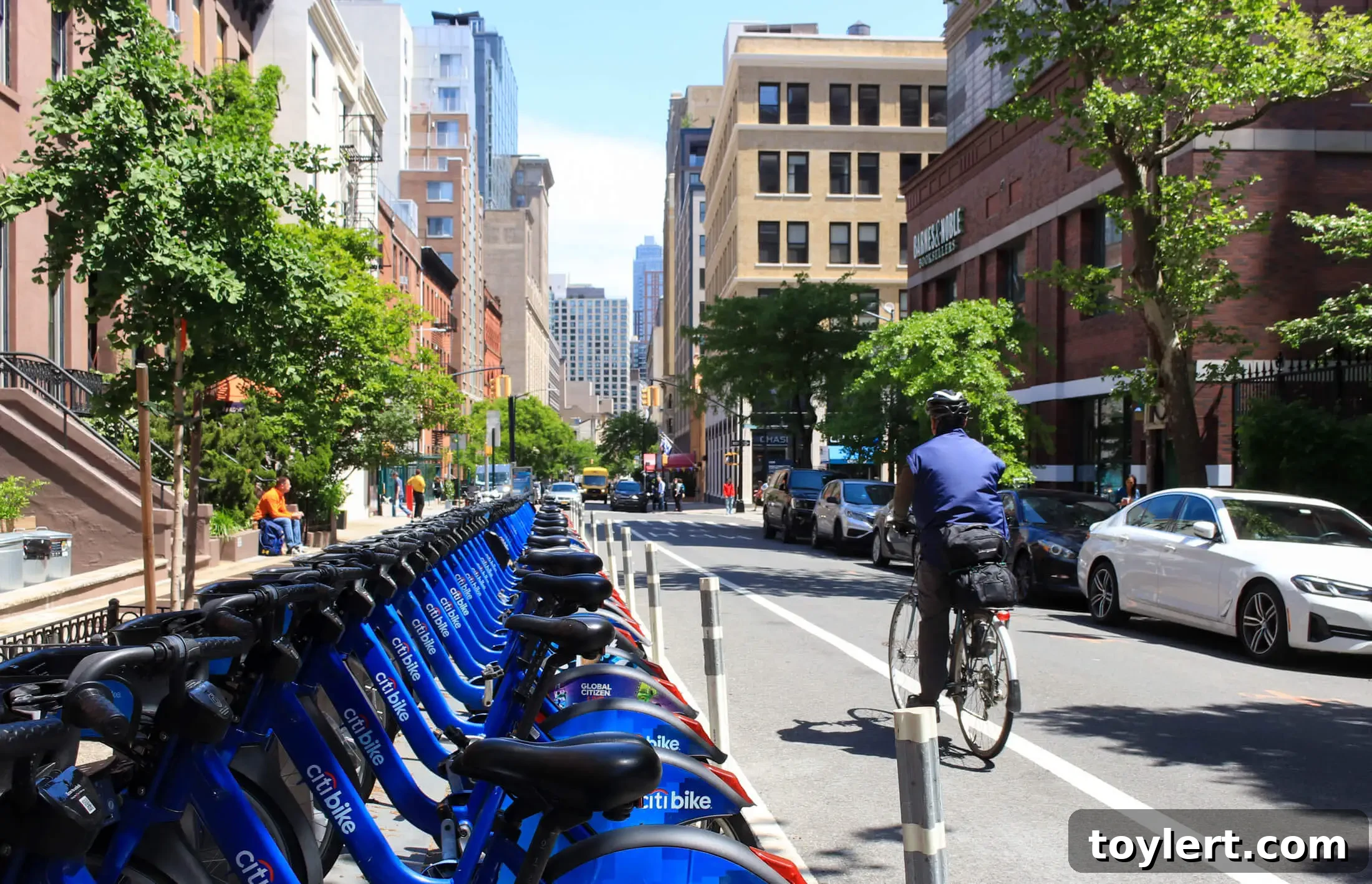
Brooklyn is on the cusp of a significant transformation in its urban mobility landscape, as the Department of Transportation (DOT) prepares to launch a major expansion of the Citi Bike program. After three years of meticulous planning and dedicated community engagement, this fall will mark the beginning of work on approximately 120 new Citi Bike stations. These eagerly anticipated additions are specifically designed to serve central and east Brooklyn neighborhoods that have, until now, been identified as critical “Citi Bike deserts.” This ambitious project signifies a substantial leap forward in making sustainable, active transportation accessible to a broader swathe of the borough, fostering a more connected and environmentally conscious community.
The expansion targets several vibrant and diverse communities including Bed Stuy, Crown Heights, Ocean Hill, and Flatbush. For years, residents in these areas have expressed a strong desire for more accessible bike-sharing options, often feeling excluded from the benefits enjoyed by other parts of Brooklyn. The DOT’s strategic placement of these new stations directly addresses this long-standing disparity, ensuring that the convenience and health benefits of bike sharing are extended equitably across the borough. These areas fall within Community Boards 3, 5, 8, 9, and 16, underscoring the broad reach and community-focused nature of this initiative.
Installation plans for these new Citi Bike stations are designed with flexibility and urban context in mind. Draft maps released by the DOT indicate that some of the stands will be strategically installed on sidewalks, integrating seamlessly into existing pedestrian pathways, while others will be placed on the road, often requiring careful adjustments to street layouts. These maps are not yet final; they represent a crucial stage in the planning process where community feedback continues to shape the ultimate design. A DOT representative confirmed that after final rounds of community consultation and input, the updated and finalized plans will be officially released towards the end of summer, providing residents with a clear picture of the rollout.
The introduction of new infrastructure in dense urban environments often comes with trade-offs, and the Citi Bike expansion is no exception. With a number of the stations being installed on the road, certain streets are anticipated to lose some parking spaces. While the exact number of affected parking spots has not been confirmed by the DOT, the issue of parking loss due to new Citi Bike stations has proven controversial in some parts of New York City. However, in Brooklyn, the response has historically been less contentious, with many residents recognizing the broader benefits that bike-sharing brings to urban living. This expansion represents a deliberate move towards prioritizing sustainable transportation and public health, even if it means re-evaluating urban space allocation.
Crucially, this service expansion serves as a direct response to past criticisms regarding the initial Citi Bike rollout, which was perceived by many as favoring wealthier and predominantly white parts of the borough. The deliberate focus on central and east Brooklyn neighborhoods underscores a commitment to equitable access and inclusivity in urban planning. By investing in these historically underserved areas, the DOT is not only expanding a transportation service but also actively working to bridge gaps in urban mobility, ensuring that all Brooklynites have access to affordable, convenient, and healthy transit options. This focus on equity is a cornerstone of modern urban development, aiming to create cities that work for everyone, regardless of their neighborhood or socioeconomic status.
Beyond the immediate benefit of improved transportation, the expansion of the Citi Bike network brings a multitude of positive impacts to these Brooklyn communities. Environmentally, an increase in cycling translates to fewer car trips, directly contributing to reduced carbon emissions and improved air quality. This aligns with New York City’s broader sustainability goals and efforts to combat climate change. For individual residents, regular cycling offers significant health advantages, promoting physical activity and contributing to better overall well-being. It provides a readily available and enjoyable way to incorporate exercise into daily routines, combating sedentary lifestyles prevalent in urban settings.
Economically, the presence of Citi Bike stations can inject vitality into local neighborhoods. Increased bicycle traffic often leads to greater foot traffic for local businesses, from coffee shops to retail stores, as riders are more likely to stop and explore their surroundings. Furthermore, the program creates local job opportunities, ranging from station maintenance and bike redistribution to customer service. The availability of an alternative, affordable commute option can also ease financial burdens on residents who might otherwise rely on more expensive forms of transportation, freeing up resources for other needs. This interconnected web of benefits demonstrates how a single infrastructure project can ripple through a community, creating widespread positive change.
The decision to install new stations on both sidewalks and roads reflects a nuanced approach to urban planning, aiming to integrate the bike share system as seamlessly as possible into Brooklyn’s diverse streetscapes. While sidewalk installations offer convenience for immediate access, road-based stations often maximize safety by aligning with dedicated bike lanes or quieter streets, further encouraging ridership. The ongoing community feedback process is vital here, as residents can offer localized insights into the most appropriate and least disruptive placements, ensuring that the new infrastructure serves the community effectively without creating unforeseen challenges. This collaborative approach between the DOT and local community boards is essential for the long-term success and acceptance of the program.
The long planning phase of three years underscores the complexity and comprehensive nature of such a large-scale urban project. It involves extensive data analysis, demographic studies, infrastructure assessments, and detailed logistical planning. Engaging with Community Boards 3, 5, 8, 9, and 16 has been an integral part of this process, allowing the DOT to gather invaluable local perspectives, understand specific neighborhood needs, and address potential concerns proactively. This level of engagement ensures that the expansion is not just a top-down mandate but a responsive initiative tailored to the unique characteristics of each community it serves. The release of updated plans at the end of summer will be a culmination of this diligent work and a testament to the collaborative spirit driving this initiative.
As Brooklyn continues to evolve as a vibrant urban center, the demand for diverse, efficient, and sustainable transportation options will only grow. The Citi Bike expansion is a critical component of a broader vision for a more walkable, bikeable, and transit-rich borough. It encourages a shift away from car dependency, reducing traffic congestion and the environmental footprint of urban travel. This move aligns with global trends towards greener cities, where public spaces are optimized for people rather than just vehicles. Residents in Bed Stuy, Crown Heights, Ocean Hill, and Flatbush now have an unprecedented opportunity to embrace this greener mode of transport, transforming their daily commutes and recreational activities.
In conclusion, the impending installation of 120 new Citi Bike stations across central and east Brooklyn is more than just an expansion of a bike-sharing service; it is a profound commitment to equity, sustainability, and community well-being. This significant investment in urban mobility will not only connect previously underserved neighborhoods but also contribute to a healthier environment, stimulate local economies, and foster a more active and engaged populace. The careful planning, community engagement, and strategic placement reflect a forward-thinking approach to urban development, positioning Brooklyn as a leader in creating a more accessible, equitable, and sustainable future for all its residents. The fall will herald a new era of connectivity and convenience for thousands of Brooklynites, fundamentally enhancing the way they experience their dynamic borough.