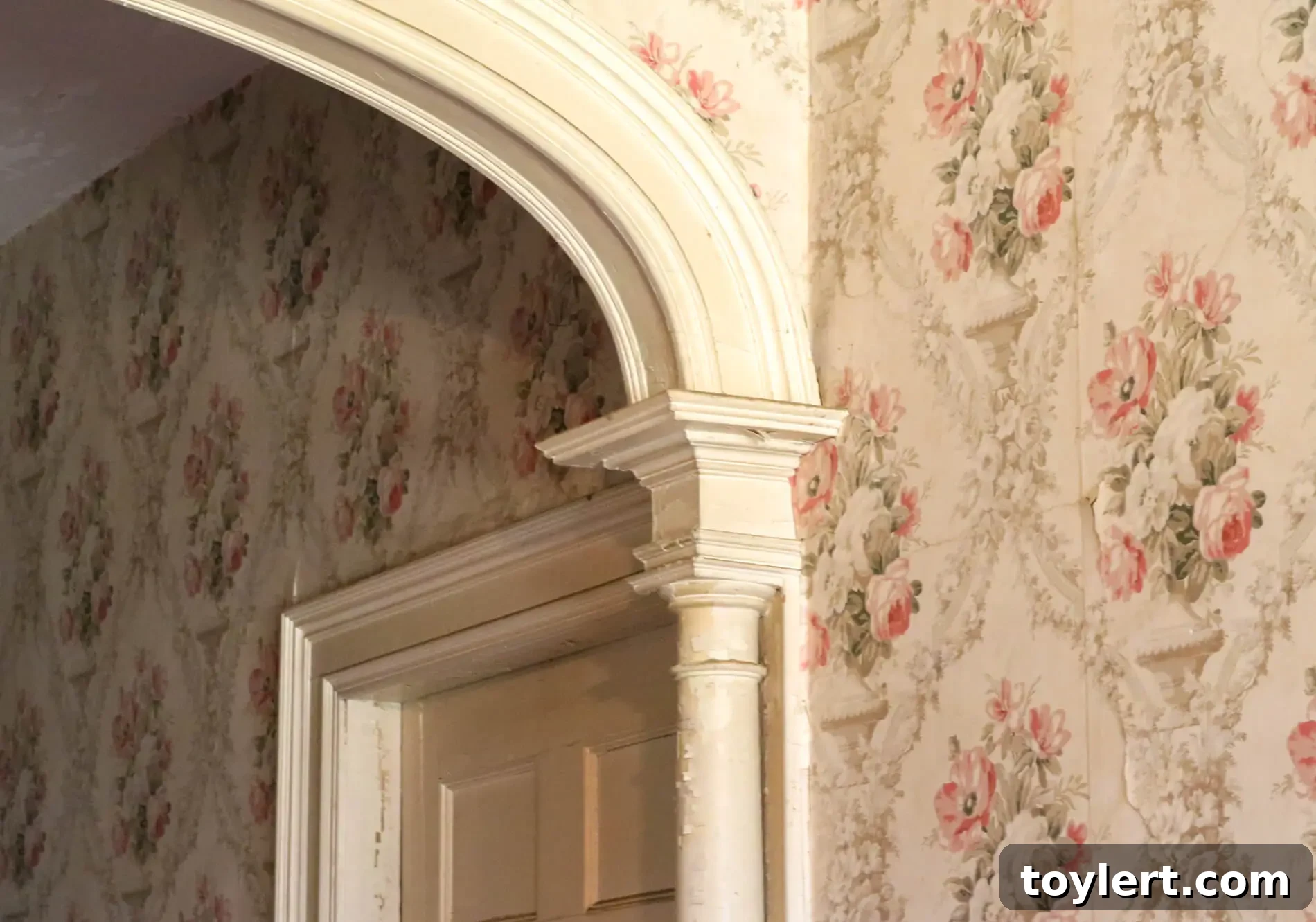
The timeless appeal of built-in bookshelves lies in their seamless integration with a home’s existing architecture. They transform a room, adding character, storage, and visual interest. However, a common dilemma arises for homeowners embarking on such a project, especially in older or historically significant properties: the challenge of perfectly matching existing room molding. Imagine the scenario: your dedicated builder has meticulously crafted the bookshelves, only to hit a snag with the trim. The existing room molding, perhaps a unique profile from a bygone era or a bespoke design, proves stubbornly difficult to replicate with standard, off-the-shelf options. This isn’t just a minor aesthetic oversight; an imperfect match can disrupt the room’s harmony, diminishing the very elegance the built-ins were meant to enhance. For many homeowners, resorting to an “almost right” stock molding simply isn’t an option when the goal is an exact, flawless match.
This comprehensive guide delves into the intricate world of molding replication, offering solutions and insights for homeowners and builders alike. We understand the desire for perfection, the vision of built-ins that look as though they’ve always been there. From traditional millwork techniques to cutting-edge 3D scanning, we’ll explore the resources available to achieve an identical match, ensuring your renovation project achieves the impeccable finish it deserves. Join us as we uncover the secrets to transforming a molding mismatch into a masterful restoration, preserving your home’s unique character while elevating its functionality and style.
The Ultimate Guide to Perfectly Matching Existing Room Molding for Your Home Renovation
Embarking on a home renovation, particularly one involving custom built-ins, is an exciting venture that promises to enhance both the aesthetics and functionality of your living space. Yet, a frequently encountered hurdle, especially in homes with distinctive architectural styles, is the precise replication of existing room molding. The intricate profiles, unique historical designs, and specific dimensions of established trim work often pose a significant challenge. When a builder struggles to find a stock molding that precisely mirrors what’s already in place, homeowners are faced with a crucial decision: settle for an imperfect approximation or pursue a solution that guarantees an exact match. For those committed to preserving their home’s architectural integrity and achieving a truly bespoke finish, the latter is the only acceptable path. This article will serve as your definitive resource, exploring various methods and expert advice for flawlessly replicating existing molding, ensuring your new built-ins integrate seamlessly with your home’s original charm.
The Challenge of Molding Replication: Why an Exact Match Matters
The desire for an exact molding match extends far beyond mere aesthetics; it’s about preserving the character, historical accuracy, and overall value of a home. An architectural feature like molding, whether it’s ornate crown molding, elegant baseboards, or distinctive door casings, plays a crucial role in defining a room’s style and period. When introducing new elements, such as built-in bookshelves, these details become even more prominent as they frame the new addition. An imperfect match, even a subtle one, can create a visual dissonance that instantly signals the newness of the installation, rather than allowing it to blend naturally.
Homeowners often seek precise replication for several compelling reasons. Firstly, it maintains design continuity. In homes with specific architectural styles—be it Victorian, Craftsman, Colonial, or Mid-Century Modern—the molding profiles are integral to the period’s aesthetic. Deviating from these profiles can disrupt the intended visual language of the house, diminishing its authenticity and charm. Secondly, an exact match enhances property value. High-quality renovations that respect and preserve a home’s original features are consistently valued more highly than those that introduce mismatched elements. Prospective buyers often appreciate the attention to detail and the seamless integration of new work with old. Finally, for many, it’s a matter of personal satisfaction and pride. Investing in custom built-ins is a significant undertaking, and the desire for a flawless, museum-quality finish is entirely understandable. The subtle jarring effect of mismatched trim can be a constant source of annoyance, undermining the overall enjoyment of the renovated space.
Initial Steps: Assessing Your Existing Molding
Before embarking on any replication efforts, a thorough assessment of your existing molding is paramount. This initial phase helps in understanding the scope of the project and guides the choice of replication method. Begin by carefully identifying the specific type of molding you need to match. Is it a crown molding gracefully transitioning the wall to the ceiling? A baseboard providing a robust finish at the floor level? A door or window casing, or perhaps a unique chair rail or picture rail? Each type serves a different purpose and may have distinct characteristics.
Next, consider the material. Most historical moldings are crafted from wood (pine, oak, maple, mahogany, etc.), but older homes might feature plaster moldings, especially for more elaborate crown details. Modern homes might incorporate composite materials like MDF or polyurethane. Identifying the material is crucial as it dictates the replication techniques that can be employed. Also, pay close attention to the age and style of the molding. Is it a simple, clean profile characteristic of a Colonial home, or a highly ornate, layered design typical of Victorian architecture? Understanding the historical context can offer clues about its construction and potential replication challenges. Finally, take detailed photographs from multiple angles and precise measurements of the molding profile. A simple profile gauge or even a piece of cardboard can be used to trace the exact contours. If possible and safe, carefully remove a small, inconspicuous sample piece, ideally from an area that will be covered or is less visible, to provide to potential replication specialists.
Exploring Molding Replication Methods
Achieving an exact match for unique or historic molding often requires specialized techniques and expert craftsmanship. Here’s a detailed look at the most effective methods:
Professional Millwork Shops and Custom Fabrication
This is arguably the most reliable method for achieving an exact match. Professional millwork shops specialize in custom wood fabrication, and many have extensive experience in replicating historical trim. The process typically begins with providing them with a sample of your existing molding or precise measurements and profiles. Their skilled artisans use this sample to create a custom “knife” or cutting tool specifically designed to mill the exact profile. This often involves Computer-Aided Design (CAD) software to create a digital model, which is then used to grind the custom knives. Once the knife is ready, new lumber is fed through industrial molders, precisely shaping the wood to match the original profile.
The advantages of custom fabrication are numerous: it guarantees an exact match in terms of profile and dimensions, allows for the use of specific wood species to match the original, and results in high-quality, durable molding. The primary disadvantages are cost and lead time. Custom knives are expensive to produce, and the entire process can take several weeks, depending on the complexity of the profile and the shop’s workload. This method is highly recommended for historic homes, properties with unique, irreplaceable profiles, or when preserving architectural authenticity is paramount.
Molding Duplication through 3D Scanning and Printing
Emerging technologies like 3D scanning and printing are revolutionizing molding replication, offering a high degree of precision and efficiency for complex profiles. The process involves using a high-resolution 3D scanner to capture the exact dimensions and contours of the existing molding sample. This creates a highly accurate digital model. From this digital model, there are a few options: either the model can be used to directly guide a CNC machine to carve the new molding from wood or a composite material, or it can be used to 3D print a mold. This mold can then be used to cast new molding pieces in various materials like polyurethane, resin, or even plaster.
The advantages of this method include extreme precision, the ability to replicate highly intricate or damaged profiles, and potentially faster turnaround times once the scanning and modeling are complete. It also offers flexibility in materials if casting is chosen. However, the technology is still specialized, and finding providers with the right expertise and equipment can be a challenge. The cost can also be significant, particularly for initial setup and scanning services. This method is particularly suitable for extremely complex, curved, or multi-layered profiles that would be difficult or impossible to reproduce with traditional knives.
The Art of Hand-Carving and Traditional Woodworking
For truly unique, intricate, or hand-carved moldings, especially those found in very old or architecturally significant properties, the only viable replication method might be traditional hand-carving or hand-planing. This requires the exceptional skill of a master woodworker or artisan who can meticulously recreate the profile using hand tools, chisels, and specialized planes. This is more common for decorative elements, rosettes, or sections of molding that include carving rather than simple profiles.
The main advantage is the unparalleled authenticity and craftsmanship, resulting in a piece that truly mirrors the original in every detail, including the subtle imperfections and character imparted by handwork. The disadvantages are significant cost, extended lead times, and the scarcity of artisans with these highly specialized skills. This method is typically reserved for museum-quality restoration projects or when only a very small, intricate section of molding needs to be matched.
Composite Materials and Flexible Molding
While not always suitable for every application, composite materials and flexible moldings offer a practical solution in specific scenarios. These products are often made from polyurethane, PVC, or other polymers. They can be manufactured by taking an impression or cast of an existing molding profile, which is then used to create a mold for the composite material. Flexible moldings are particularly useful for curved walls, arches, or exterior applications where wood would be impractical or prone to rot.
Advantages include resistance to moisture and insects, ease of installation (especially for curves), and often a lower cost than custom wood milling. However, there are limitations. Composite moldings may lack the inherent warmth and grain of real wood, making them less suitable for stain-grade applications. While paint-grade options can be convincing, they may not perfectly replicate the weight or feel of original wood trim. They are a good compromise when the molding will be painted, and the budget or specific environmental conditions necessitate an alternative to wood.
Searching for Stock Molding Equivalents (as a last resort)
In cases where the existing molding is relatively simple or common, and budget constraints are a significant factor, a thorough search for stock molding equivalents can be considered as a last resort. This approach involves sifting through catalogs from various lumberyards, architectural suppliers, and even online databases specializing in trim and millwork. Some manufacturers offer an extensive range of profiles, and you might get lucky. Architectural salvage yards are another excellent resource, often stocking unique, reclaimed moldings that might match or be very close to your existing profile.
The major caveat here is the “imperfect match.” Even a seemingly minor deviation in profile or dimension can be noticeable, especially when painted and installed adjacent to the original. If you opt for this route, be prepared for potential compromises. Always obtain a sample of the prospective stock molding to compare it directly with your existing trim before committing to a purchase. While it’s the least expensive option, it rarely achieves the seamless integration that custom replication provides.
Finding the Right Professional for Your Molding Needs
Securing the services of the right professional is critical for a successful molding replication project. The expertise required varies depending on the chosen method, but generally, you’ll be looking for one of the following:
- Custom Millworkers: These specialists are equipped with the machinery and expertise to create custom knives and mill new moldings from wood. They are the go-to for precise wood profile replication.
- Architectural Restoration Specialists: Firms specializing in historic preservation often have in-house capabilities for molding replication, including both wood and plaster work. They understand the nuances of historical styles.
- Skilled Carpenters/Cabinet Makers: While not all carpenters can replicate complex profiles, some highly skilled craftsmen, especially those specializing in traditional joinery or custom cabinetry, may have the tools and experience to tackle simpler replication tasks or work closely with millwork shops for custom pieces.
- 3D Scanning/Printing Services: For highly complex or modern replication, seek out companies specializing in industrial 3D scanning and additive manufacturing. They can capture profiles and often produce molds or direct prints.
When vetting potential professionals, always ask for a portfolio of their past work, specifically projects involving custom molding replication. Request references from previous clients and follow up on them. Clear communication is paramount: ensure they fully understand your requirements, provide detailed quotes, and can explain their process. A good professional will often visit your site, assess the existing molding, and discuss the best approach for your specific situation.
Practical Tips for a Successful Molding Replication Project
Executing a molding replication project smoothly requires careful planning and attention to detail. Here are some practical tips to guide you:
- Sample Collection: If you need to provide a physical sample, remove it carefully. Choose an inconspicuous area, such as a closet, behind a large piece of furniture, or an area that will be permanently covered by the new built-ins. Use sharp tools to prevent damage to the surrounding area and to the sample itself. A clean, undamaged sample is crucial for accurate replication.
- Budgeting: Be realistic about the costs. Custom molding replication is an investment. Expect to pay significantly more per linear foot than for stock molding. Obtain multiple quotes and understand what each quote includes (e.g., custom knife charges, material costs, labor). Factor in potential installation costs if your custom pieces require specialized fitting.
- Timeline: Custom millwork and fabrication take time. The process of creating custom knives, sourcing specific wood, and milling can extend over several weeks or even months, especially for large orders or complex profiles. Plan your renovation schedule accordingly to avoid delays.
- Finishing: New molding, even if perfectly replicated in profile, will look different if its finish doesn’t match the existing trim. Discuss finishing options with your professional. If the molding will be painted, ensure the paint color and sheen are identical. If it’s stain-grade, ensure the wood species matches and that a custom stain can be created to blend seamlessly with the existing finish. Professional painters specializing in restoration can be invaluable here.
- Installation: Even perfectly replicated molding needs expert installation. The new pieces must be cut precisely, joined seamlessly with the existing trim, and securely fastened. A skilled carpenter or trim installer understands how to handle custom millwork, minimize visible seams, and ensure a cohesive appearance. Imperfect installation can ruin the effect of perfectly matched molding.
Beyond Replication: Preserving Architectural Heritage
The act of meticulously replicating architectural molding transcends a simple home improvement task; it is an investment in preserving your home’s unique architectural heritage. In a world increasingly dominated by mass-produced uniformity, the original details of a home tell a story, reflecting the craftsmanship and design sensibilities of its era. By going the extra mile to match existing trim, you are not just making a renovation; you are undertaking a restoration. This commitment to detail reinforces the authenticity of your property, enhancing its character and historical value. It ensures that future generations can appreciate the original intent and beauty of the design, rather than lamenting alterations that clash with the home’s intrinsic charm. This dedication ultimately culminates in a more cohesive, harmonious, and valuable living space that honors its past while confidently embracing its future.
Frequently Asked Questions about Molding Replication
Here are answers to some common questions homeowners have about matching existing molding:
- Is custom molding replication expensive? Yes, it is generally more expensive than using stock molding. The cost includes the labor for profile analysis, the creation of custom cutting tools (knives), the cost of materials (often higher-grade wood), and the specialized milling process. However, for many, the investment is justified by the perfect aesthetic match and the preservation of home value.
- How long does the replication process take? The timeline can vary significantly. Simple profiles might be completed in a few weeks, while complex historical moldings requiring custom knife grinding and specialized wood sourcing could take several months. It’s crucial to factor this lead time into your overall renovation schedule.
- Can I attempt to replicate molding myself? Unless you are a highly skilled woodworker with access to specialized machinery and expertise in knife grinding, exact replication is not recommended for DIY enthusiasts. Achieving a precise match requires industrial-grade equipment and an understanding of woodworking techniques beyond basic carpentry. For anything other than very simple, common profiles, professional help is essential.
- What if my existing molding is damaged? Can it still be replicated? Absolutely. Damaged molding can often be repaired by skilled artisans or, if the damage is extensive, used as a template for replication. For plaster moldings, a mold can be taken from an intact section and new pieces cast to replace the damaged areas. For wood, the undamaged portions provide the necessary profile for custom milling.
- Does custom molding add value to my home? Yes, impeccably matched custom molding enhances the architectural integrity and overall aesthetic appeal of your home. This attention to detail is often appreciated by discerning buyers and can contribute positively to your property’s market value, especially in historic or upscale properties where original features are highly prized.
Conclusion: Investing in Perfection
The journey to perfectly match existing room molding for your built-in bookshelves or any other renovation project might seem daunting, but the rewards are immeasurable. Opting for custom replication over an imperfect stock solution ensures that your home retains its unique character, its historical integrity, and its visual harmony. It’s an investment in quality, craftsmanship, and the enduring beauty of your living space. By understanding the various replication methods, engaging with skilled professionals, and meticulously planning each step, you can transform a potential aesthetic challenge into a masterful display of bespoke design. Don’t settle for “almost right” when perfection is within reach. Embrace the opportunity to create a truly seamless and stunning addition to your home, where every detail, down to the last curve of the molding, speaks of thoughtful design and enduring quality.