By Jada Camille, Brooklyn Paper
Coney Island Residents United: Community Rises Against Proposed Casino Development
Coney Island, a vibrant Brooklyn neighborhood celebrated for its historic boardwalk, iconic amusement park, and unique cultural identity, finds itself at a critical crossroads. A proposed gaming center looms large, threatening to reshape the very fabric of this beloved community. In response, a powerful grassroots movement, Coney Islanders Against a Casino (CIAC), has mobilized, passionately voicing their opposition to what many perceive as a detrimental intrusion.
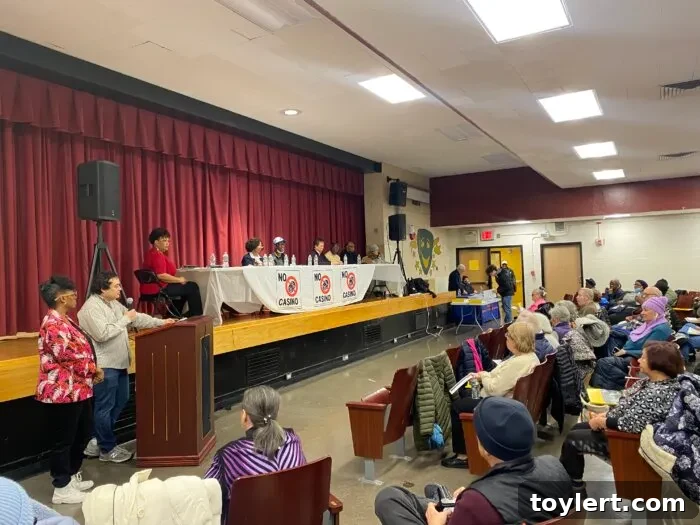
On February 12, CIAC underscored the depth of local resistance by hosting a compelling anti-casino panel and forum. This significant event brought together concerned residents, local leaders, and experts who collectively articulated a formidable array of arguments against introducing a large-scale gambling facility to their cherished neighborhood. The sentiment was clear: the proposed casino, far from being a boon, represents a significant threat to Coney Island’s future, potentially undermining its unique character and the well-being of its inhabitants.
The Heart of the Opposition: Deep-Seated Community Concerns
The core of CIAC’s opposition stems from a profound worry that a casino would fundamentally alter Coney Island’s character and quality of life for the worse. Panelists at the forum meticulously outlined their concerns, which transcended mere inconvenience to touch upon the very social and economic health of the community. Their arguments were not just emotional pleas but were often backed by observations from other casino towns and a deep understanding of local dynamics.
A Shadow of Crime and Social Disruption?
One of the most frequently cited fears revolves around a potential surge in criminal activity. Residents expressed grave apprehension that a casino could act as a magnet for various forms of crime, including property theft, illicit drug activity, and an increase in prostitution. This isn’t just speculative; historical data and sociological studies from other communities hosting large casinos often point to a correlation between gaming establishments and an uptick in certain types of social issues. The community worries about the immense strain this would place on already stretched local law enforcement and emergency services, potentially eroding the sense of safety and tranquility that residents, families, and tourists currently value in Coney Island.
The Illusion of Opportunity: Jobs That Don’t Deliver
Casino developers frequently tout the promise of numerous job opportunities as a primary benefit, often presenting impressive figures. However, CIAC members and local economists present a more nuanced, often skeptical, perspective. Panelists at the forum argued that the actual number of jobs created might be significantly lower than projected, and many of these positions could be low-wage service roles, requiring specialized skills that don’t necessarily benefit existing Coney Island residents. Furthermore, there’s concern that higher-paying management and technical roles would primarily be filled by external candidates, leaving local workers with limited upward mobility. The fear is that the casino would displace existing small businesses and local entrepreneurs that contribute to the diverse fabric of the community, ultimately leading to a net loss of diverse, community-sustaining employment rather than a genuine gain in stable, well-paying local jobs.
The Pervasive Threat of Addiction: A Community’s Deepest Fear
While concerns about crime and jobs are significant, the most profound and widely shared fear among residents centers on the casino’s potential to exacerbate and promote addictive gambling. Panelists highlighted the devastating personal and familial toll that problem gambling can inflict, leading to financial ruin, mental health crises, and broken relationships. Coney Island is a community with a diverse socioeconomic makeup, and residents worry that a casino in their backyard would disproportionately affect vulnerable populations, including seniors, low-income individuals, and those already struggling with various forms of addiction. The forum emphasized that the human cost of increased gambling addiction—the suffering of individuals and their families—far outweighs any perceived economic benefits. The community questions whether the local infrastructure and social services are adequately equipped to handle an inevitable rise in demand for addiction support and counseling.
Beyond the Panel: A Holistic Look at Casino Impacts
CIAC’s opposition extends beyond these immediate concerns, encompassing a broader vision for Coney Island’s sustainable future and its unique place in New York City.
Preserving Coney Island’s Unique Character and Family Appeal
Coney Island is renowned globally for its distinct charm, historic amusements, and family-friendly atmosphere. Residents passionately believe that a massive casino complex would fundamentally compromise this unique identity. The community fears a shift from a beloved seaside destination that attracts diverse families and tourists to a gambling mecca, potentially deterring traditional visitors in favor of a clientele primarily seeking gaming. This transformation could irrevocably damage the very essence of what makes Coney Island special, replacing its nostalgic appeal and vibrant cultural scene with a more commercialized, adult-oriented environment that prioritizes revenue over community character.
Environmental and Infrastructure Strain
The construction and subsequent operation of a large casino would undoubtedly place immense strain on Coney Island’s existing infrastructure. Increased traffic congestion, noise pollution from round-the-clock operations, and pervasive light pollution are significant environmental worries that would impact residents’ daily lives. The area already experiences seasonal peaks in visitors; adding a year-round, high-intensity attraction like a casino could overwhelm local roads, public transportation systems, and essential utility services. Residents also expressed concerns about the environmental footprint, including increased waste generation and potential impacts on coastal areas, particularly given Coney Island’s vulnerability to extreme weather events and rising sea levels.
Economic Displacement vs. Community-Led Growth
While developers promise economic revitalization and a boost for the local economy, many residents fear the opposite: economic displacement. Local businesses, particularly those catering to the current tourist demographic and daily needs of residents, could struggle immensely to compete with a large casino’s integrated entertainment, dining, and retail options. These facilities often operate as self-contained complexes, drawing customers away from existing local establishments. CIAC advocates for alternative development models that prioritize community-led growth, preserving existing local businesses, fostering diverse economic opportunities that truly benefit residents, and enhancing the area’s cultural and recreational assets without resorting to gambling as a primary economic driver.
A Call for Sustainable Alternatives
The anti-casino forum was not merely a platform for grievances but also a proactive call for alternative visions for Coney Island’s future. Residents expressed a strong desire for development that respects the area’s rich heritage, enhances its natural beauty, and provides genuine, sustainable benefits for all members of the community. This includes investments in expanded recreational facilities, the nurturing of cultural institutions, the development of robust educational programs, and the support of diversified local businesses that align with Coney Island’s existing family-friendly brand and historic character. The community believes its future lies in celebrating its unique identity, not in succumbing to the allure of casino revenue.
The Road Ahead: CIAC’s Unwavering Resolve
Coney Islanders Against a Casino remains resolute in its mission. The group pledges to continue organizing, educating, and advocating for their vision of a Coney Island free from the perceived harms of a casino. Through public forums, extensive community outreach, and strategic political engagement, CIAC aims to ensure that the voices of residents are heard loud and clear throughout the complex licensing and approval process. The fight for Coney Island’s future, as envisioned by its most dedicated residents, is far from over, and they are prepared for a prolonged effort.
The unified stand taken by CIAC exemplifies a broader trend of communities nationwide asserting their right to determine their own destiny, pushing back against large-scale developments that threaten to erode their unique identity and social fabric. For Coney Island, the decision about a casino is not just an economic one; it is a profound choice about what kind of community it wants to be for generations to come—a choice that its residents are determined to make themselves.