The Unexpected Closures of Five Guys on Flatbush Avenue: A Deeper Look into Brooklyn’s Dynamic Restaurant Landscape
The vibrant culinary scene of Brooklyn is constantly evolving, with new establishments opening and old ones sometimes fading away. However, it’s always a notable event when a nationally recognized brand like Five Guys, known for its beloved burgers and fries, unexpectedly shutters its doors. Such was the case with two prominent locations on Flatbush Avenue, Brooklyn, raising questions and prompting speculation about the challenges of operating a fast-casual eatery in one of New York City’s most dynamic boroughs.
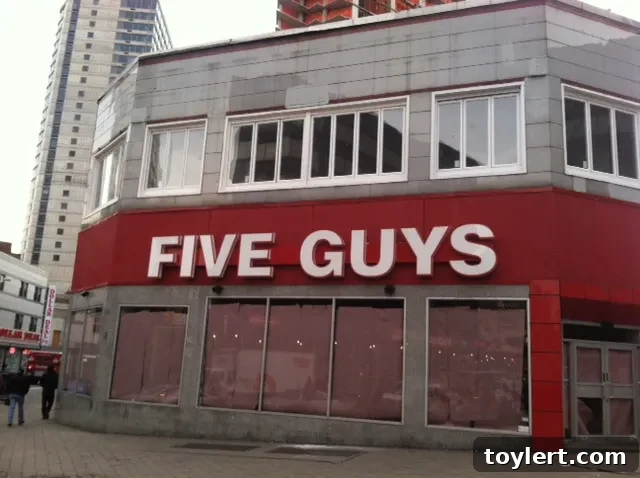
Barely a year after its grand opening, the Five Guys establishment situated at the pivotal address of 1 Flatbush Avenue ceased operations. The abruptness of its closure was underscored by the immediate disconnection of its business phone number, leaving prospective customers and curious onlookers to ponder the fate of the popular burger chain. This particular location, positioned at a significant intersection, had been seen as a promising venture, poised to capture the attention of a diverse clientele.
The closure at 1 Flatbush Avenue was not an isolated incident but rather followed a pattern observed just a month prior. Another Five Guys outpost, located further down Flatbush Avenue, near Park Place, had also quietly shuttered its windows. The dual closures within such a short timeframe naturally led to widespread discussion within local communities, especially among residents of Park Slope and Downtown Brooklyn, about the underlying causes for these high-profile business failures.
Unpacking the “Arena-Geared Clientele” Theory and Urban Development Dynamics
One of the primary theories circulating amongst local observers and shared by outlets like Here’s Park Slope, posited that the closures might be attributed to an “arena-geared presumed clientele that never materialized.” This theory holds significant weight, especially considering the proximity of these locations to the Barclays Center, a major sports and entertainment venue that opened in late 2012. The anticipation surrounding the arena’s debut fueled a belief that surrounding businesses, particularly fast-casual dining options, would benefit from a steady stream of event-goers, concert attendees, and sports fans.
However, the reality of post-event foot traffic often differs from initial projections. While Barclays Center undoubtedly draws large crowds, the pattern of their spending and movement might not have perfectly aligned with the business model of Five Guys. Arena visitors might prefer pre-event dining closer to their homes or workplaces, or they might opt for more upscale dining experiences. Alternatively, they might patronize concession stands within the arena itself, or simply disperse rapidly after events without lingering to eat at nearby restaurants. The challenge for businesses banking on arena traffic lies in understanding specific consumer behaviors and adapting their offerings and operational hours accordingly.
Beyond the arena effect, the broader urban development landscape of Downtown Brooklyn and Flatbush Avenue plays a crucial role. This area has been undergoing a dramatic transformation, marked by significant residential and commercial growth. With new high-rise buildings and luxury apartments reshaping the skyline, the demographic makeup of the neighborhood is constantly shifting. This rapid evolution presents both opportunities and challenges for businesses. While an influx of new residents can mean more potential customers, it also translates to increased competition and often, higher operational costs, particularly rising rents.
The Unfulfilled Promise of a Public Plaza
Adding another layer of complexity to the narrative of the 1 Flatbush Avenue location was an ambitious plan to enhance the space with a public plaza featuring outdoor seating. This initiative, which Five Guys was reportedly collaborating on with the Department of Transportation, aimed to transform the immediate surroundings into a more inviting and communal area. The vision was to create a vibrant urban oasis where customers could enjoy their meals al fresco, and the general public could gather, fostering a stronger sense of community.
A public plaza with outdoor seating can be a game-changer for a fast-casual restaurant. It extends the dining experience beyond the four walls, offering a more relaxed and engaging atmosphere, especially in a dense urban environment. Such a feature could have significantly boosted the appeal of Five Guys at 1 Flatbush Avenue, attracting passersby and providing a unique selling proposition in a competitive market. It could have also served as a catalyst for increased foot traffic and brand visibility, positioning the restaurant as more than just a place to grab a quick bite, but rather a destination for social interaction.
Unfortunately, despite these promising discussions and plans, nothing materialized regarding the public plaza. The failure to bring this proposed urban amenity to fruition likely deprived the Five Guys location of a vital component that could have contributed to its long-term viability. The absence of this planned outdoor space meant the restaurant had to operate without the anticipated community integration and enhanced customer experience, potentially leaving it struggling to stand out amidst fierce competition and evolving consumer expectations in a burgeoning neighborhood.
The Broader Fast-Casual Landscape in Brooklyn
The closures of Five Guys in Flatbush serve as a potent reminder of the inherent complexities and fierce competition within Brooklyn’s fast-casual dining sector. While Five Guys enjoys a stellar reputation for quality and consistency in many markets, its success isn’t universally guaranteed, particularly in a borough known for its discerning palate and a preference for unique, often artisanal, culinary experiences. Brooklynites frequently gravitate towards independent eateries, farm-to-table concepts, and diverse international cuisines, which can pose a significant challenge for even well-established national chains.
The fast-casual segment, once a burgeoning growth area for the restaurant industry, now faces increasing pressure. Consumers are more conscious about their food choices, seeking healthier options, sustainable sourcing, and unique dietary accommodations. While Five Guys offers high-quality ingredients, its core menu of burgers, fries, and shakes may not always align with the evolving preferences of a health-conscious and diverse urban demographic. Furthermore, the rise of food delivery services has altered how people dine, increasing convenience but also intensifying competition among a vast array of online-accessible restaurants.
Operating costs in New York City, particularly in prime Brooklyn locations, are astronomically high. Rent, labor, and supply chain logistics can quickly erode profit margins, even for businesses with high foot traffic. These financial pressures demand a delicate balance of operational efficiency, aggressive marketing, and a strong understanding of the local market’s willingness to pay. A slight miscalculation in any of these areas can quickly lead to unsustainable financial models and, ultimately, closure.
What Do These Closures Signify for Brooklyn’s Commercial Future?
The departure of a recognizable brand like Five Guys from two key Flatbush Avenue locations offers valuable insights into the dynamic and often unpredictable nature of Brooklyn’s commercial real estate and business environment. It underscores the critical importance of a nuanced understanding of local demographics, evolving consumer trends, and the intricate web of urban development promises and realities. For other businesses contemplating a move into the bustling Brooklyn market, these closures serve as a cautionary tale, emphasizing that a strong brand name alone is not a guarantee of success.
The spaces left vacant by Five Guys will undoubtedly attract new tenants, reflecting the enduring demand for commercial presence in such a sought-after area. However, future occupants will likely need to conduct even more thorough market research, develop highly adaptable business strategies, and potentially engage more proactively with community development initiatives. The transformation of Flatbush Avenue and the broader Downtown Brooklyn area is ongoing, and only businesses that can truly resonate with the local community, adapt to changing tastes, and navigate the complex urban landscape will thrive.
In conclusion, the dual closures of Five Guys on Flatbush Avenue were more than just the exit of a popular burger joint; they were symptomatic of the broader challenges and opportunities inherent in Brooklyn’s continually evolving urban fabric. From the specific dynamics of arena-generated traffic to the unfulfilled promise of public spaces and the intense competition of a sophisticated food scene, these events highlight the multifaceted considerations that shape the success or failure of businesses in one of the world’s most vibrant and demanding urban markets.