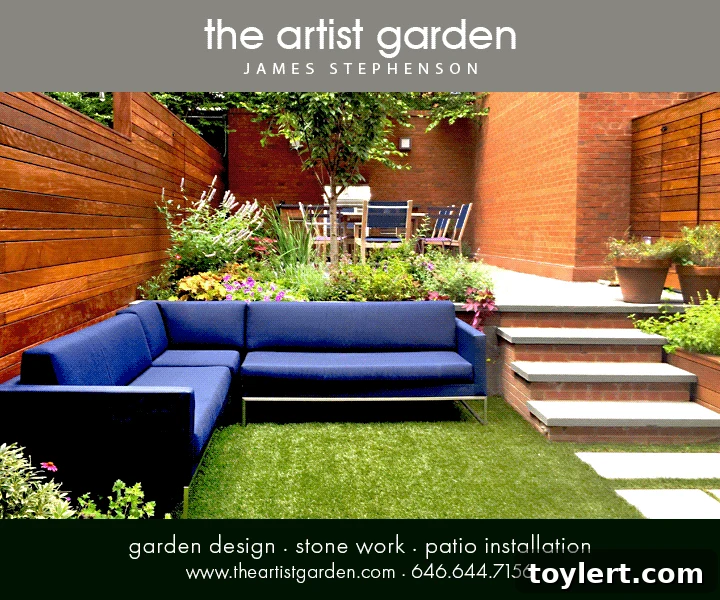
The Artist Garden: Where Creativity Blooms and Nature Inspires
Welcome to a world where the vibrant palette of nature meets the boundless imagination of the artist. The concept of “The Artist Garden” transcends conventional landscaping, evolving into a living canvas where flora, fauna, and artistic expression intertwine to create spaces of profound beauty and inspiration. It’s more than just a garden; it’s a sanctuary, a workshop, and a gallery all rolled into one, meticulously crafted to stimulate the senses and nourish the soul. At its heart, an artist garden is a testament to the belief that beauty can be cultivated in myriad forms, whether through the delicate petals of a rare bloom or the bold lines of a bespoke sculpture. It’s a place where every pathway, every plant, and every carefully placed stone contributes to an overarching artistic vision, transforming an outdoor space into a dynamic masterpiece.
What Defines an Artist Garden? Beyond Conventional Landscaping
Unlike a typical garden designed solely for aesthetic appeal or horticultural display, an artist garden is imbued with a distinct purpose: to serve as a crucible for creative thought and a stage for artistic installations. It challenges the traditional boundaries between art and nature, proposing that the garden itself is a work of art, continually evolving and offering new perspectives with each changing season. Here, the designer acts as an artist, using plants, light, water, and structural elements as their mediums. The focus shifts from mere cultivation to intentional composition, where every element is chosen and placed to evoke emotion, tell a story, or provide a unique sensory experience.
A Symphony of Elements: Harmonizing Art and Nature
The true magic of an artist garden lies in its seamless integration of diverse elements. It’s a delicate dance between the organic and the man-made, where natural forms complement sculpted pieces and vice-versa. Imagine a winding path leading to a secluded pond, reflecting a striking metal sculpture that seems to emerge from the water’s surface. Or consider a vibrant bed of wildflowers punctuated by whimsical ceramic creatures, inviting closer inspection and a sense of playful discovery. These gardens often incorporate elements like custom-designed seating, unique lighting fixtures that transform the space after dusk, and sound installations that add an auditory dimension to the visual feast. The goal is to create a holistic environment where every component, from the smallest pebble to the largest tree, works in harmony to fulfill the artist’s overarching vision. This thoughtful combination creates a captivating atmosphere that stimulates not only the eyes but also the mind and spirit.
The Historical Roots of Garden Art: A Timeless Pursuit
The intertwining of art and gardening is by no means a modern phenomenon. Throughout history, cultures across the globe have recognized the profound potential of gardens as canvases for artistic expression. From the precise geometry of ancient Persian gardens to the contemplative serenity of Japanese Zen rock gardens, the art of shaping outdoor spaces has always mirrored human creativity and philosophical ideals.
Ancient Wonders to Renaissance Masterpieces
Consider the elaborate grottoes and sculptural fountains of Roman villas, designed to awe and entertain. During the Renaissance, European gardens became extensions of grand estates, adorned with classical sculptures, intricate labyrinths, and carefully planned vistas that were as much about visual art as they were about horticulture. The famous gardens of Versailles, for instance, are a monumental testament to landscape as an art form, where meticulously sculpted hedges, statues, and water features work in concert to express power, order, and beauty. These historical precedents laid the groundwork for future generations to explore and expand upon the concept of the garden as a deliberate artistic creation.
Modern Interpretations and Land Art
In more recent centuries, the focus shifted towards more naturalistic designs, epitomized by the English landscape movement, yet the artistic intent remained. Contemporary artists and designers continue to push boundaries, embracing new materials and concepts. The emergence of “Land Art” or “Earth Art” in the 20th century further blurred the lines, with artists using the natural landscape itself as their primary medium, creating monumental works that interact directly with their environment. Think of artists like Andy Goldsworthy, whose ephemeral pieces use natural materials to highlight the beauty and transience of nature, or Robert Smithson’s iconic “Spiral Jetty.” These modern movements demonstrate a continuous evolution in how we perceive and interact with artistic landscapes, proving that the artist garden is a dynamic and ever-evolving concept.
Crafting Your Own Artist Garden: Design Principles for Inspiration
Creating an artist garden is a deeply personal and rewarding endeavor. It begins not with digging, but with dreaming. Whether you have a vast estate or a modest balcony, the principles remain the same: envision your outdoor space as a blank canvas awaiting your unique creative touch.
Vision and Theme: The Genesis of Your Garden’s Soul
Before planting a single seed, establish a clear vision or theme for your artist garden. Do you desire a tranquil retreat for meditation, a vibrant explosion of color and form, or a whimsical wonderland that sparks joy? Your theme could be inspired by a specific art movement, a personal memory, a favorite color palette, or even a particular type of sculpture. This guiding vision will inform every decision, from plant selection to the placement of art installations. For example, a “Zen-inspired artist garden” might prioritize minimalist aesthetics, raked gravel, carefully pruned plants, and a single, contemplative stone sculpture.
Space as a Canvas: Layout, Flow, and Focal Points
Consider the layout of your garden as a composition. How will visitors move through the space? Are there clear pathways, or more meandering routes of discovery? Design for visual flow, creating “rooms” or distinct areas within your garden that offer different experiences. Introduce focal points – a striking statue, a unique water feature, or an exceptionally beautiful specimen plant – to draw the eye and create interest. The judicious use of negative space is also crucial, allowing the eye to rest and appreciating the forms that are present. Good garden design, much like painting, understands the balance between elements and voids.
Color, Texture, and Form: Painting with Plants and Materials
Plants are your living paint. Experiment with different colors, textures, and forms to create visual drama and harmony. Combine plants with bold foliage next to delicate flowers, or group plants by color to create impactful statements. Beyond plants, consider the textures and forms of hardscaping materials: rough stone against smooth polished concrete, weathered wood alongside gleaming metal. These material contrasts add depth and tactile interest, enhancing the overall artistic appeal of your garden. Embrace the natural forms of plants, allowing them to inform and inspire the placement of your artistic elements.
Integrating Art Installations: Sculptures, Mosaics, and Found Objects
This is where “The Artist Garden” truly comes alive. Incorporate sculptures, whether large-scale installations or small, intimate pieces. Mosaics can adorn pathways, walls, or planters, adding intricate detail and personal flair. Repurpose found objects – an old bicycle transformed into a planter, driftwood crafted into an abstract form, or colorful glass bottles used to create a light-catching screen – to add character and tell a unique story. The key is to select pieces that resonate with your chosen theme and complement the natural environment, creating a dialogue between the art and the garden. Consider how different materials will weather and age in the outdoor environment; some artists embrace the patina of time as part of the artwork itself.
Sensory Experience: Engaging All Your Senses
An artist garden should be a multi-sensory experience. Beyond visual beauty, incorporate elements that engage sound, scent, and touch. The gentle trickle of a water feature, the rustle of ornamental grasses in the breeze, or the melodic chime of wind chimes can add an auditory layer. Plant fragrant flowers and herbs near seating areas to delight the sense of smell. Include plants with interesting textures that invite touch, such as fuzzy lamb’s ear or thorny roses. Consider edible elements, bringing in the sense of taste through fruit trees or herb gardens integrated within the artistic landscape. By stimulating all senses, you create a richer, more immersive, and truly memorable garden experience.
The Therapeutic and Creative Benefits of an Artist Garden
Beyond its aesthetic appeal, an artist garden offers a wealth of benefits for mental well-being, creative expression, and a deeper connection with the natural world. It serves as a living testament to the power of thoughtful design and the healing properties of green spaces.
A Sanctuary for the Soul: Stress Reduction and Mindfulness
Spending time in a beautifully designed garden has long been associated with stress reduction and improved mood. An artist garden, with its intentional design and serene atmosphere, amplifies these benefits. It provides a peaceful sanctuary where one can escape the hustle and bustle of daily life, practice mindfulness, and simply be present. The act of observing the changing seasons, the growth of plants, and the interplay of light and shadow on artistic elements can be deeply meditative, fostering a sense of calm and inner peace. This dedicated space can become your personal retreat for reflection and rejuvenation.
Fueling Artistic Inspiration: For Painters, Writers, and Musicians
For artists of all disciplines, an artist garden is an unparalleled source of inspiration. Painters can find endless subjects in the interplay of colors and forms; writers can discover narratives in the quiet corners and thoughtful arrangements; and musicians might find melodies in the sounds of nature and the rhythmic patterns of the garden’s design. The dynamic nature of a garden, its constant evolution and surprising juxtapositions, can spark new ideas and break through creative blocks. It provides a stimulating yet tranquil environment conducive to deep thought and imaginative exploration. The vibrant energy and serene beauty naturally encourage a heightened state of creativity.
Connecting with Nature: A Deeper Appreciation and Ecological Awareness
An artist garden fosters a profound connection with nature. By observing the intricate details of plant life, the behaviors of garden inhabitants, and the broader ecological processes at play, individuals develop a deeper appreciation for the natural world. This intimate relationship can lead to increased ecological awareness and a greater commitment to environmental stewardship. Many artist gardens intentionally incorporate native plants, create habitats for wildlife, and employ sustainable practices, thus contributing positively to the local ecosystem while simultaneously providing aesthetic pleasure. It’s a harmonious blend of art, ecology, and personal growth.
Sustainable Practices in Artist Gardens: Harmonizing Art and Environment
The ethos of an artist garden often extends beyond mere aesthetics, embracing principles of sustainability and ecological responsibility. Integrating eco-conscious practices ensures that these beautiful spaces are not only inspiring but also beneficial to the environment, demonstrating that art and nature can coexist in perfect harmony.
Eco-Conscious Design: Native Plants, Water Conservation, and Recycled Materials
A truly enlightened artist garden considers its environmental footprint. This involves prioritizing native plants that are adapted to the local climate, reducing the need for excessive watering and chemical interventions. Water conservation techniques, such as rainwater harvesting systems and drought-tolerant landscaping, are often integral to the design. Furthermore, the use of recycled, upcycled, or locally sourced materials for hardscaping and art installations minimizes waste and supports local economies. Imagine sculptures crafted from salvaged metal or pathways laid with reclaimed bricks, each element telling a story of thoughtful reuse and sustainable artistry.
Harmonizing Art and Environment: Highlighting Ecological Beauty
Art in the garden can also serve as a powerful medium for environmental advocacy. Sculptures might be designed to highlight the beauty of natural processes, such as erosion or plant growth, or to draw attention to pressing ecological issues. Integrating natural elements in their raw form, like large boulders or fallen trees, as sculptural features, celebrates the inherent artistry of nature. An artist garden can become a living educational space, subtly teaching visitors about biodiversity, ecosystem health, and sustainable living through its very design and artistic expressions. This thoughtful integration elevates the garden from a mere display to a dynamic, responsible, and inspiring ecological artwork.
The Artist Garden Community and Future: Sharing, Learning, and Innovating
The concept of “The Artist Garden” is not static; it’s a living, breathing movement that thrives on community, shared knowledge, and continuous innovation. As more individuals and organizations recognize the profound value of integrating art and nature, these spaces are becoming hubs for learning, collaboration, and environmental stewardship.
Sharing and Learning: Workshops, Open Garden Events, and Online Platforms
The spirit of “The Artist Garden” is often shared through various community initiatives. Workshops offer opportunities for aspiring garden artists to learn design principles, planting techniques, and how to create their own garden art. Open garden events allow the public to explore these unique spaces, drawing inspiration and fostering appreciation for creative landscaping. Online platforms, like the resource at TheArtistGarden.com, serve as invaluable repositories of ideas, tips, and a vibrant community where enthusiasts can connect, share experiences, and seek advice. This collective sharing enriches the entire movement, making artistic gardening accessible to a wider audience.
The Future of Artistic Landscapes: Innovation, Technology, and Community Projects
The future of artist gardens is bright and full of potential. Innovations in materials and design technologies promise even more exciting possibilities for creating interactive and dynamic outdoor art. We can anticipate more community-driven projects, transforming urban spaces into artistic oases, fostering local talent, and promoting environmental awareness. From conceptual installations to practical workshops, “The Artist Garden” continues to evolve, proving that the synergy between human creativity and the natural world is an endless source of wonder and inspiration. These spaces will continue to push the boundaries of what a garden can be, integrating new forms of art, technology, and community engagement to create truly unique and impactful environments.
Conclusion: Cultivating Beauty, Inspiring Minds
“The Artist Garden” is more than just a beautifully arranged collection of plants and art; it is a philosophy, a movement, and a profound celebration of human creativity in harmony with nature. It invites us to see our outdoor spaces not merely as extensions of our homes but as limitless canvases for artistic expression, places where every bloom tells a story and every sculpture evokes a feeling. By embracing the principles of thoughtful design, integrating diverse artistic elements, and practicing sustainability, we can transform any patch of green into a personal sanctuary that inspires, calms, and ignites the imagination. Whether you’re a seasoned artist, a passionate gardener, or simply someone who appreciates beauty, exploring the world of the artist garden offers a unique journey of discovery, connection, and profound joy. We encourage you to delve deeper into this captivating realm, to find inspiration in the countless ways art and nature intertwine, and perhaps, to begin cultivating your own vibrant artist garden today.