Discover Winter Wonders: Exploring the Historic Old Croton Aqueduct Trail
Don’t let the chill of winter keep you confined indoors when an entire world of history and natural beauty awaits exploration. Embrace the invigorating crisp air and serene landscapes by venturing onto the Old Croton Aqueduct Trail. This remarkable state historic park offers a unique blend of New York’s rich past and outdoor adventure, proving that some of the most memorable experiences are found off the beaten path, even when the snow falls.
Spanning over 20 miles, the Old Croton Aqueduct State Historic Park provides an unparalleled opportunity to combine historical immersion with physical activity. Winding from the northern reaches of Van Cortlandt Park in the Bronx all the way to the majestic Croton Dam in Cortlandt, this linear park invites hikers, bikers, and history enthusiasts to traverse a path that once served as New York City’s vital freshwater artery. It’s a journey through time, offering glimpses into ingenious 19th-century engineering set against the backdrop of the picturesque Hudson Valley.
A Testament to Ingenuity: New York City’s Lifeline
The story of the Old Croton Aqueduct begins in a time of crisis. By the 1830s, the burgeoning population of New York City faced a severe fresh water shortage. Wells and cisterns were no longer sufficient, and the city desperately needed a reliable, abundant source of potable water. The audacious solution proposed was nothing short of a marvel for its era: to tap into the Croton River, located over 40 miles north of Manhattan, and transport its clean waters to the city through an elaborately constructed aqueduct system.
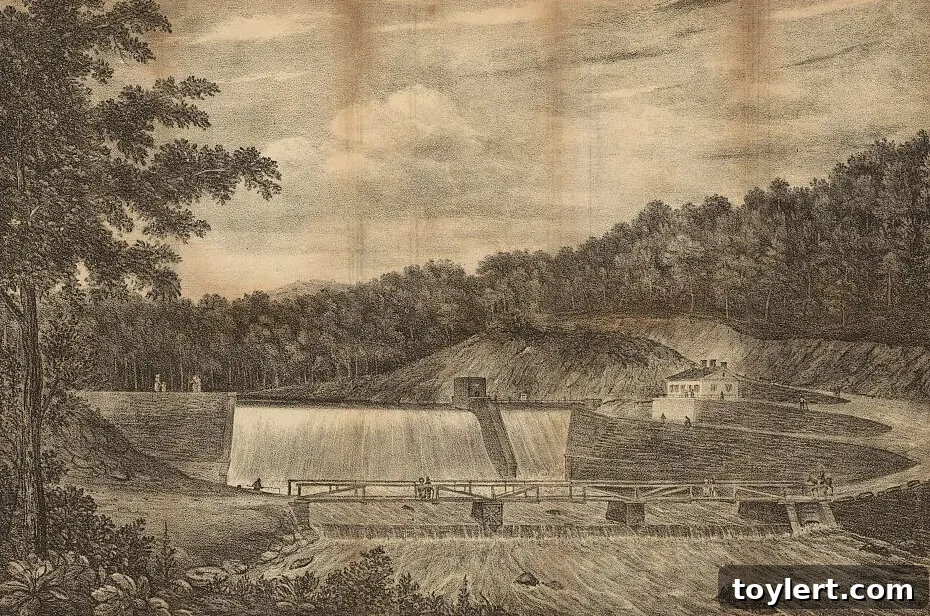
Conceived and executed by brilliant engineers and thousands of laborers, this ambitious project involved building a massive dam across the Croton River to create the Croton Reservoir, followed by the construction of an enclosed masonry conduit, the aqueduct itself. This impressive structure, mostly underground, utilized gravity to carry water steadily southward. Construction commenced in 1837, and by 1842, a celebratory torrent of water flowed into the city’s brand-new Croton Distributing Reservoir, located where Bryant Park stands today. This marked a monumental achievement, transforming public health, sanitation, and the quality of life for New Yorkers.
The Old Croton Aqueduct faithfully served New York City, delivering essential water for over a century, operating continuously until 1965 when it was finally decommissioned. Its replacement, the New Croton Aqueduct, built between 1885 and 1890, continues to supply a significant portion of the city’s water today. However, the legacy of the old system was far too important to simply vanish. Recognizing its historical significance and potential for recreation, the Old Croton Aqueduct State Historic Park was officially created in 1968. This designation preserved miles of the original aqueduct structure, transforming its path into a treasured public resource where history and nature converge.
Exploring the Trails: A Journey Through History and Nature
Today, the Old Croton Aqueduct State Historic Park offers more than 20 miles of well-maintained, tree-covered trails that wind past historic scenic views and features of the original system. The trail surface is generally flat, composed of compacted dirt and gravel, making it accessible for a wide range of users, from casual walkers to avid runners and cross-country skiers when snow conditions permit. Its gentle gradient and mostly shaded path make it a pleasant experience in any season.
Key Sections and Points of Interest
The trail’s extensive length allows for diverse experiences. Starting at Van Cortlandt Park in the Bronx, urban landscapes gradually give way to more suburban and then rural settings as you head north. Along its course, the aqueduct trail passes through numerous charming towns and villages, including Yonkers, Hastings-on-Hudson, Dobbs Ferry, Irvington, Tarrytown, Sleepy Hollow, Ossining, and Croton-on-Hudson. Each of these communities offers unique access points, parking, and opportunities to explore local shops or grab a bite to eat.
One of the most iconic features is the Keeper’s House in Dobbs Ferry, a charming stone structure that once housed the aqueduct keeper, who was responsible for monitoring and maintaining this vital infrastructure. Many other historic culverts, vent shafts, and bridge foundations dot the landscape, offering tangible connections to the past. The path often runs alongside the historic masonry conduit itself, sometimes visible, sometimes merely a presence beneath your feet, silently carrying stories of a bygone era.
As you approach the northern terminus, the trail culminates at the magnificent Croton Dam. This impressive structure, an engineering marvel in its own right, created the Croton Reservoir, the source of the aqueduct’s water. The views from the dam, especially during sunrise or sunset, are breathtaking, providing a fitting crescendo to your journey along this historic pathway. Hikers can also enjoy vistas of the majestic Hudson River, particularly in sections where the trail runs parallel to the river’s eastern bank.
What to Expect on Your Hike
The Old Croton Aqueduct Trail is largely flat, making it suitable for all skill levels. While mostly unpaved, its even surface generally presents no major challenges. You’ll find yourself surrounded by mature trees, offering pleasant shade in warmer months and a striking, skeletal beauty in winter. The park is a haven for local wildlife, so keep an eye out for various bird species, squirrels, rabbits, and even deer, especially in the quieter sections.
While some sections near urban centers can be quite popular, especially on weekends, vast stretches of the trail offer a sense of solitude and peaceful escape. It’s a fantastic place for quiet contemplation, nature photography, or simply enjoying a refreshing walk away from the hustle and bustle. Given its linear nature, planning your route, including transportation to and from your chosen sections, is advisable.
Winter Wonders: Why Hike the Aqueduct in Colder Months
Many trails close or become impassable during winter, but the Old Croton Aqueduct Trail often remains a fantastic option, offering a truly unique experience. The winter landscape transforms the familiar scenery into something magical. Bare branches etch intricate patterns against the sky, and evergreens stand out vividly against a muted palette. A fresh blanket of snow can turn the entire path into a serene, glistening wonderland, perfect for cross-country skiing or snowshoeing.
One of the significant advantages of winter hiking on the aqueduct is the reduced crowd. You’re more likely to find solitude and a profound connection with nature. The crisp, clean air invigorates the senses, and the quietness of the season amplifies the natural sounds around you. Without the dense foliage, views of the Hudson River and surrounding valleys often open up, offering perspectives unavailable during other times of the year.
For those venturing out in colder weather, proper preparation is key. Dress in layers, wear waterproof boots, and bring plenty of water and snacks. Always check weather conditions and trail reports before heading out. After an invigorating winter hike, imagine the pleasure of warming up at a local café in one of the quaint river towns, sipping hot chocolate or a warm drink, and reflecting on the history and beauty you’ve just experienced.
Beyond Winter: The Aqueduct Through the Seasons
While winter offers a distinct charm, the Old Croton Aqueduct Trail truly is a year-round destination. In spring, the trail bursts with vibrant green foliage and the scent of blossoms, accompanied by the joyful chirping of returning birds. Summer provides a cool, shaded canopy, making it an ideal escape from the heat, while autumn transforms the entire park into a breathtaking spectacle of fiery reds, oranges, and yellows. Each season paints a different masterpiece along this historic path, inviting repeat visits and new discoveries.
Planning Your Visit to this Historic Gem
To make the most of your adventure on the Old Croton Aqueduct Trail, a little planning goes a long way. Numerous access points are available, often near public transportation hubs or with parking lots in the adjacent towns. Consider using online maps or a dedicated trail guide to plan your segment of choice. Given its linear nature, you might arrange for a pick-up at a different point or plan a round-trip hike. Restrooms and amenities are generally found in the towns the trail passes through, rather than directly on the trail itself.
Remember to practice Leave No Trace principles: pack out everything you pack in, stay on marked trails, and respect local wildlife. Bring sufficient water, especially on longer excursions, and wear appropriate footwear for the unpaved surface. A mobile phone with GPS capabilities can be helpful for navigation, though the trail is generally well-marked. Whether you’re a seasoned hiker or just looking for a peaceful stroll, the Old Croton Aqueduct State Historic Park promises a journey that is both enriching and refreshing.
A Timeless Legacy Awaiting Your Footsteps
The Old Croton Aqueduct State Historic Park stands as a powerful reminder of human ingenuity, perseverance, and the enduring value of natural resources. It’s more than just a trail; it’s a living museum, a greenway, and a vital recreational asset. So, the next time you’re seeking an escape from the ordinary, remember the historic pathway that helped build New York City. Whether under a blanket of snow or bathed in summer sun, the aqueduct trail offers an accessible, captivating adventure that connects you to history, nature, and the refreshing spirit of outdoor exploration. Don’t just read about history; walk it, breathe it, and become a part of its continuing story.