Brooklyn’s Dynamic Pulse: Navigating Development, Community, and Urban Life
Brooklyn, a borough renowned for its rich history, diverse communities, and relentless evolution, is a microcosm of urban life. It’s a place where historic charm meets cutting-edge development, where grassroots activism flourishes alongside corporate investment, and where the daily rhythm encompasses both grand transformations and the intimate details of neighborhood life. This snapshot delves into the multifaceted stories that define Brooklyn’s enduring appeal and its ongoing challenges, exploring themes of urban development, community engagement, real estate trends, and the essential efforts to preserve its unique character amidst rapid change.
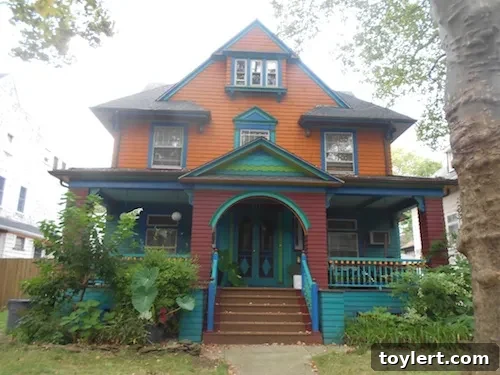
An emblematic view of Ditmas Park, reflecting Brooklyn’s architectural heritage.
Transforming Skylines: The Impact of Major Developments
The urban fabric of Brooklyn is constantly being reshaped, with towering new structures rising and historic sites being reimagined. These large-scale projects often spark intense debate, reflecting the community’s vested interest in their borough’s future.
The Domino Effect: Williamsburg’s Iconic Redevelopment
One of the most significant and talked-about redevelopments in Brooklyn’s recent history is the transformation of the former Domino Sugar Factory site in Williamsburg. This ambitious project, a sprawling mixed-use complex, has been a focal point for discussions on gentrification, affordable housing, and the preservation of industrial heritage. The documentary titled “The Domino Effect” captured the essence of these complex conversations, offering a critical lens on the project’s impact on the surrounding community. It highlighted the aspirations for economic revitalization balanced against concerns over displacement and the changing character of one of Brooklyn’s most rapidly evolving neighborhoods.
The film provided insights into the multi-year process of converting an iconic waterfront landmark into a modern residential and commercial hub. It explored the various stakeholders involved, from developers and city planners to long-time residents and community activists, all grappling with the promise and peril of such massive urban renewal. The screening of this documentary was a crucial moment for public discourse, inviting residents to reflect on the future of Williamsburg and the broader implications of large-scale development on urban communities. It underscored the importance of dialogue in shaping the narrative of progress.
- In-depth thoughts on “The Domino Effect” documentary, exploring its insights into Williamsburg’s transformative redevelopment. [The L]
Community at the Core: Green Initiatives and Local Empowerment
Amidst the towering cranes and bustling construction, Brooklyn’s vibrant communities actively work to enhance their neighborhoods, focusing on sustainability, education, and beautification. These grassroots and collaborative efforts underscore the borough’s strong sense of collective responsibility and innovation.
Rooftop Farms: Cultivating Community and Sustainability at the Navy Yard
The Brooklyn Navy Yard, once a cornerstone of naval shipbuilding, has been reinvented as a hub for innovation, manufacturing, and sustainable practices. A prime example of this revitalization is the thriving rooftop farm, which not only contributes to local food systems but also serves as an invaluable educational resource. Local youth visiting this unique urban farm gain firsthand experience with sustainable agriculture, learning about food production, environmental stewardship, and the benefits of green spaces in a dense urban environment.
These visits are more than just field trips; they are opportunities to inspire the next generation of environmentalists and community leaders. By connecting young people with the process of growing food, these programs foster a deeper understanding of where food comes from, promote healthy eating habits, and highlight the potential for urban areas to integrate green solutions. The rooftop farm symbolizes the Navy Yard’s commitment to both economic development and environmental sustainability, showcasing how former industrial sites can be repurposed for the collective good of the community.
- Discover how local youth are engaging with sustainable practices during a visit to the Brooklyn Navy Yard’s innovative rooftop farm. [Myrtle Minutes]
Corporate Responsibility and Neighborhood Beautification in Carroll Gardens
Community engagement isn’t solely the domain of local organizations; it also extends to corporate entities recognizing their role in urban development. In Carroll Gardens, a beloved neighborhood known for its brownstones and tree-lined streets, a local bank demonstrated its commitment to the community by responding to residents’ desires for beautification. Capital One, a corporate presence in the area, initiated a project to plant flowers and improve a local courtyard, acting on feedback from the community.
This initiative highlights a positive model of corporate social responsibility, where businesses actively listen to the needs and wishes of their neighbors. Such partnerships can significantly contribute to the aesthetic appeal and livability of neighborhoods, transforming mundane spaces into vibrant, welcoming areas. It underscores the power of community voice and the impact that even seemingly small improvements can have on local morale and pride, fostering a stronger sense of belonging and shared ownership in public spaces.
- Read about how a corporate bank responded to local requests, leading to significant courtyard improvements and flower planting in Carroll Gardens. [PMFA]
Real Estate Dynamics and Neighborhood Shifts
Brooklyn’s real estate market remains one of the most dynamic in New York City, characterized by surging property values, luxury developments, and ongoing debates about affordability and gentrification. These trends profoundly impact the demographic and economic landscape of various neighborhoods.
Williamsburg’s Soaring Property Values: A $1.3 Million House Acquisition
Williamsburg’s transformation from an industrial stronghold to a cultural hotspot has been well-documented, marked by an exponential rise in property values. The acquisition of a $1.3 million house in the neighborhood serves as a stark illustration of this upward trend in the luxury real estate market. This transaction, while perhaps not an isolated incident, caught the attention of local observers, symbolizing the continued influx of high-net-worth individuals and the increasing desirability of Williamsburg addresses.
Such sales reflect a broader pattern of gentrification, where demand from new residents drives up housing costs, making it challenging for long-time residents and small businesses to remain. The story of a $1.3 million home is more than just a real estate transaction; it’s a narrative thread in the larger tapestry of Williamsburg’s evolving identity, highlighting the economic forces that are reshaping its demographics and social fabric. It underscores the ongoing discussion about how to balance growth with equitable access to housing.
- Investigate the purchase of a $1.3 million house in Williamsburg, signaling the neighborhood’s booming luxury real estate market. [Curbed]
The Fight to Preserve Community Spaces: Gowanus Grove
The Gowanus neighborhood, with its unique industrial history and burgeoning arts scene, is another area experiencing immense development pressure. The potential loss of Gowanus Grove, a cherished community space, to make way for a new rental building, encapsulates the ongoing struggle between urban development and the preservation of vital local amenities. Gowanus Grove had served as a versatile outdoor venue, hosting cultural events, markets, and gatherings that fostered a strong sense of community.
The threat to such spaces highlights a critical challenge for urban planners and communities: how to accommodate growth and demand for housing without sacrificing the public and cultural spaces that contribute to a neighborhood’s distinct character and residents’ quality of life. The fate of Gowanus Grove resonated deeply within the community, sparking activism and discussions about zoning regulations, the impact of new construction on existing social infrastructures, and the importance of advocating for spaces that serve the collective good.
- Learn about the precarious situation of Gowanus Grove, facing closure to make way for new residential development. [DNAinfo]
Urban Challenges: Infrastructure, Safety, and Daily Life
While Brooklyn’s narrative is often one of progress and prosperity, it is also punctuated by the practical challenges of maintaining infrastructure, ensuring public safety, and managing the complexities of urban living. These incidents, though sometimes localized, offer insights into the broader pressures facing a rapidly developing borough.
Infrastructure Incidents: Gas Line Rupture Near Green-Wood Cemetery
Rapid urban development often brings with it increased construction activity, which can, at times, lead to unforeseen incidents. A construction crew working in Green-Wood Heights inadvertently ruptured a gas line near the historic Green-Wood Cemetery. Such incidents, while typically resolved swiftly, underscore the fragility of aging urban infrastructure and the critical importance of stringent safety protocols on construction sites.
The disruption caused by a gas leak can range from traffic diversions and evacuations to concerns about public safety for residents and businesses in the vicinity. This event, occurring near a landmark as significant as Green-Wood Cemetery, also brings into focus the challenges of conducting modern construction amidst historical and densely populated areas. It serves as a reminder of the continuous need for vigilance and coordinated efforts between construction companies, utility providers, and local authorities to minimize risks in a rapidly changing urban environment.
- Details on a construction accident that resulted in a gas line rupture near Green-Wood Cemetery in Green-Wood Heights. [DNAinfo]
Addressing Safety Concerns: Burglaries on Williamsburg’s Grand Street
Even in areas experiencing significant investment and revitalization, urban safety remains a paramount concern for residents and businesses. A spate of burglaries along the Grand Street strip in Williamsburg highlighted localized crime issues that can affect community well-being and economic stability. Such incidents can erode the sense of security and significantly impact local businesses, which are often the backbone of neighborhood character.
Community responses to such challenges typically involve increased police presence, neighborhood watch initiatives, and discussions about preventative measures. The report on these burglaries served as a call to action for local authorities and residents to collaborate on solutions, ensuring that the growth and vibrancy of areas like Grand Street are not undermined by safety concerns. It’s a reminder that alongside development, the fundamental aspects of public safety and communal well-being must be continuously addressed and reinforced to maintain a thriving urban environment.
- An account of a recent surge in burglaries affecting businesses and residents on Williamsburg’s Grand Street. [DNAinfo]
Conclusion: Brooklyn’s Unfolding Narrative
Brooklyn’s story is one of perpetual motion – a constant interplay between development and preservation, progress and tradition. From the monumental changes at the Domino Sugar Factory to the intimate acts of community beautification in Carroll Gardens, and from the challenges of soaring real estate prices to the everyday concerns of safety and infrastructure, the borough continually reinvents itself while striving to maintain its soul.
The diverse events and discussions chronicled here paint a vivid picture of a borough grappling with its own success. They reveal the resilience of its communities, the foresight of its innovators, and the determination of its residents to shape a future that is both prosperous and equitable. As Brooklyn continues to evolve, these narratives—big and small—will remain crucial in understanding its unique identity and guiding its path forward as a dynamic, livable, and truly iconic urban landscape.