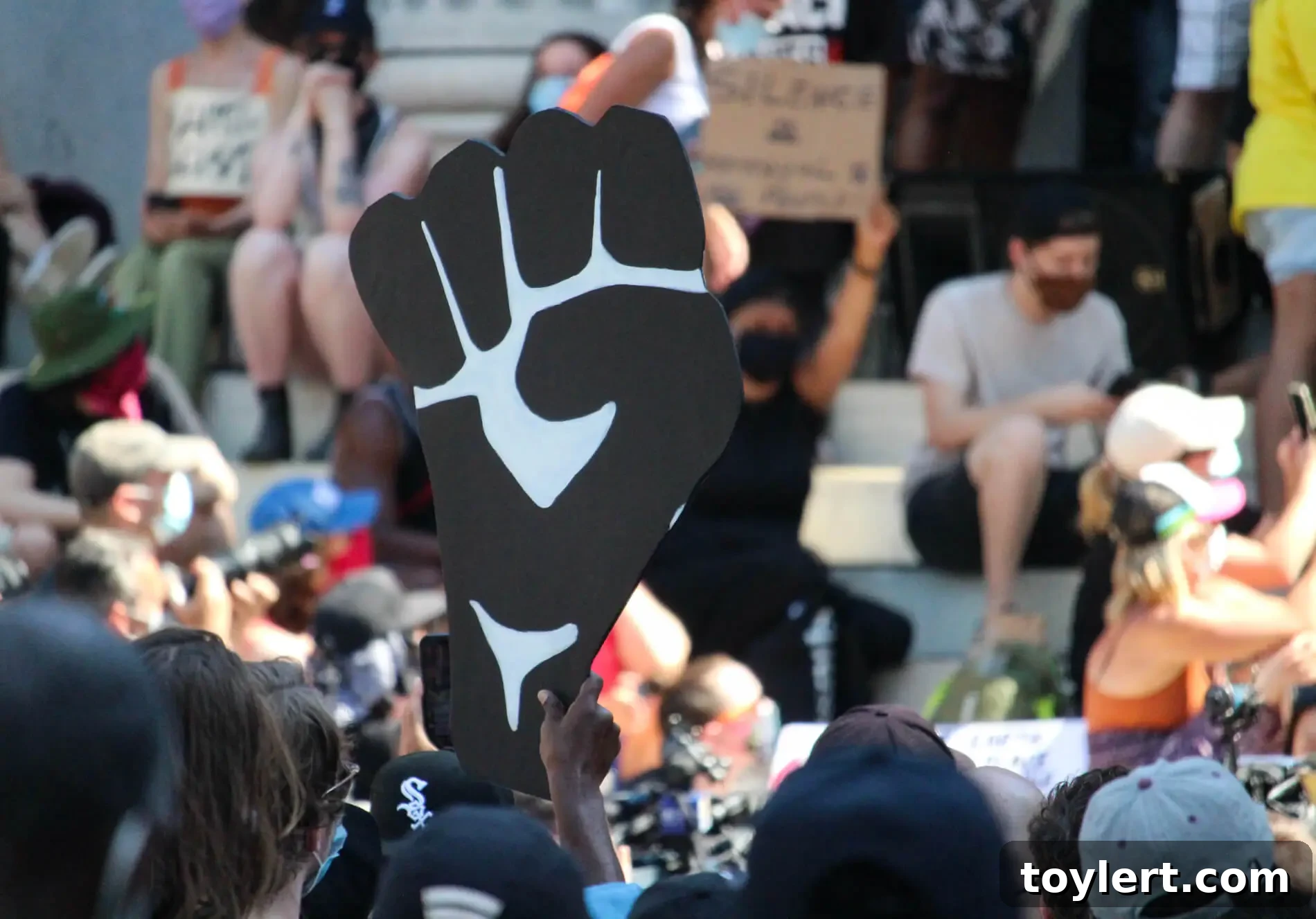
Brooklyn, New York – a borough renowned for its vibrant culture, diverse communities, and deep historical roots – prepares annually to observe Juneteenth with a profound sense of purpose. This year, however, the commemoration takes on an exceptionally poignant significance, interwoven with the powerful and ongoing momentum of the Black Lives Matter movement. More than just a historical observance, Juneteenth in Brooklyn has transformed into a dynamic platform for advocacy, reflection, and the collective pursuit of justice, amplified by a growing number of community-led initiatives and protests across the borough.
Juneteenth, a portmanteau of “June” and “nineteenth,” marks a pivotal moment in American history. It commemorates June 19, 1865, the day when Union General Gordon Granger arrived in Galveston, Texas, and issued General Order No. 3, officially informing the last enslaved African Americans in the Confederacy that they were free. This momentous announcement arrived two and a half years after President Abraham Lincoln issued the Emancipation Proclamation on January 1, 1863. While the Proclamation legally declared enslaved people in Confederate states free, its enforcement was contingent upon the advance of Union troops. Thus, for those in remote Texas, liberation remained a distant dream until Granger’s arrival, making June 19, 1865, their true day of freedom and cementing its place in the annals of African American history.
Historically, African American communities in Brooklyn, particularly in the 19th and early 20th centuries, often held celebrations around January 1st to mark the official release of the Emancipation Proclamation. These early commemorations served as powerful declarations of resilience and hope in the face of systemic oppression and racial injustice. However, as the 20th century progressed, the observance of Juneteenth gained national prominence, evolving from a regional Texan tradition into a widespread celebration across the United States. It became a cherished day for African Americans to gather, reflect on their heritage, celebrate family bonds, acknowledge hard-won freedoms, and honor the rich tapestry of Black achievement. Texas was the first state to declare Juneteenth a public holiday in 1980, setting a precedent that inspired other states. New York State officially recognized Juneteenth as a state holiday in 2020, building upon its designation as a commemorative day in 2004, underscoring the growing recognition of its importance on both state and national levels, culminating in its establishment as a federal holiday in 2021.
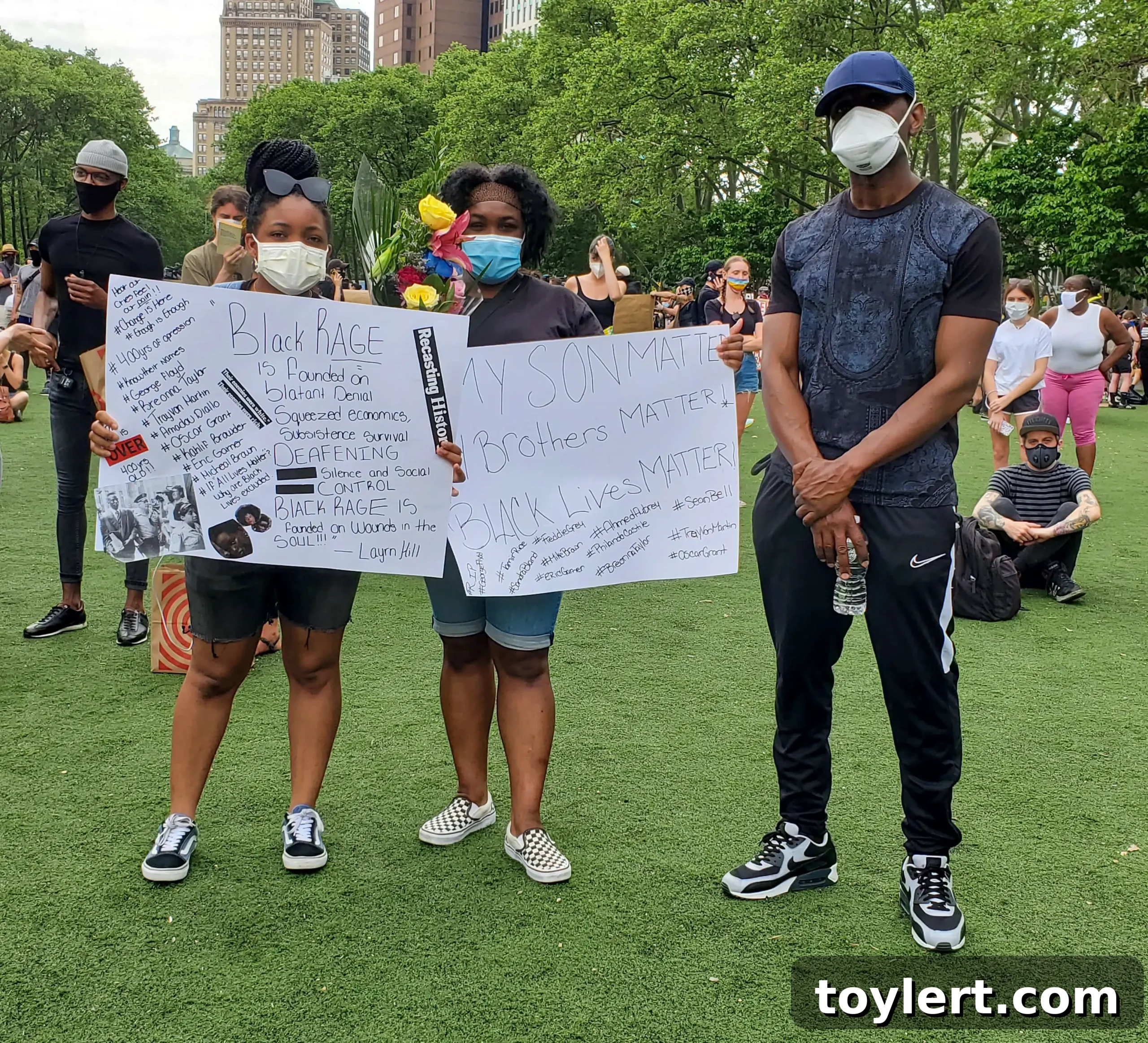
The contemporary resonance of Juneteenth in Brooklyn is deeply intertwined with the Black Lives Matter movement. The devastating events that sparked global outrage, including the murders of George Floyd, Breonna Taylor, Ahmaud Arbery, and countless others, reignited a fervent demand for an end to systemic racism and police brutality. Juneteenth provides a powerful historical context for these modern struggles. It serves as a stark reminder that the fight for true liberation and equality did not end with the Emancipation Proclamation, nor with the Civil Rights Act, but continues in the present day. The celebrations in Brooklyn are no longer solely about reflecting on a past freedom; they are about actively striving for a future where all Black lives are truly valued, respected, and protected within societal structures.
Brooklyn, with its historically significant Black communities in areas like Bedford-Stuyvesant, Crown Heights, and Flatbush, has long been a crucible of African American culture, activism, and self-determination. From the early abolitionist movements that laid the groundwork for emancipation, through the profound cultural impact of the Harlem Renaissance, and continuing into the pivotal Civil Rights era, Brooklynites have consistently stood at the forefront of the struggle for racial justice. This rich legacy makes the borough an especially fitting and powerful place for Juneteenth observances to merge with the energy of the Black Lives Matter movement. Residents, activists, and community leaders actively organize a diverse array of events that simultaneously honor the past sacrifices and confront the present challenges of systemic inequality.
Juneteenth in Brooklyn now often features a wide spectrum of events designed to educate, inspire, and mobilize the community. These typically include peaceful protest marches through iconic neighborhoods, reflective vigils held in community spaces and public parks to honor victims of racial injustice, and educational workshops focusing on Black history, systemic inequalities, and pathways to societal change. Cultural festivals celebrate African American art, music, cuisine, and entrepreneurial spirit, providing vital platforms for Black artists and businesses to thrive and showcase their contributions. Community forums and panel discussions offer vital spaces for dialogue, allowing residents to share experiences, strategize, and build solidarity. These gatherings, frequently led by local organizers and Black community leaders, underscore the borough’s commitment to self-empowerment, collective action, and sustained advocacy for civil rights. The robust landscape of social media, as exemplified by accounts like justiceforgeorgenyc, played a crucial role in coordinating and amplifying these voices, ensuring that information about protests and educational initiatives reached a broad and engaged audience, fostering widespread participation.
The symbolic significance of these gatherings and demonstrations in Brooklyn cannot be overstated. When families stand together at poignant memorials, like the one for George Floyd at Cadman Plaza, or march purposefully through the borough’s historic streets, they are not only mourning profound losses but also asserting their inherent dignity and demanding accountability from institutions. These acts are a direct continuation of the spirit of Juneteenth itself – a defiant affirmation of freedom, a resolute declaration of self-worth, and a steadfast refusal to accept anything less than full equality and justice. They highlight the urgent need for comprehensive reforms in policing practices, justice systems, and broader societal structures that persistently perpetuate racial disparities and discrimination. The vibrant energy, unwavering determination, and hopeful spirit seen in Brooklyn’s Juneteenth events are a testament to the enduring power of community and the collective will to dismantle systemic oppression, moving closer to the ideal of liberty for all.
Beyond the immediate impact of protests and vigils, Juneteenth in Brooklyn fosters a deeper understanding of racial justice among all its inhabitants. It encourages all residents, regardless of background, to engage thoughtfully with the complex and often painful history of slavery and its enduring legacies in contemporary society. Educational components embedded in many Juneteenth activities aim to shed light on how historical injustices continue to manifest in various forms today, from glaring economic disparities and pervasive health inequities to disproportionate incarceration rates and systemic biases. By understanding this continuum of struggle and progress, communities can better advocate for policies and practices that promote equitable outcomes, dismantle discriminatory structures, and foster a truly inclusive and just society. The celebration thus transforms into a powerful catalyst for ongoing learning, critical reflection, and active participation in the dynamic movement for civil rights and human dignity.
The spirit of Juneteenth, as celebrated and lived in Brooklyn, is one of both solemn remembrance and powerful forward momentum. It is a day to remember the harrowing journey from enslavement to emancipation, to honor the extraordinary resilience of generations of African Americans who have fought tirelessly for freedom, and to recommit to the ongoing struggle for racial equity. In a borough that encapsulates so much of American history and its diverse future, Juneteenth serves as a powerful annual reminder that true freedom is an ongoing pursuit, demanding constant vigilance, proactive advocacy, and unwavering collective action. Brooklyn’s voice, loud and clear, continues to champion the cause of justice, ensuring that the legacy of Juneteenth remains not just a historical date, but a living, breathing testament to the enduring quest for liberation and equality for all.
As Brooklyn continues to evolve and lead, so too does its commemoration of Juneteenth. Each passing year brings new voices, new challenges, and a renewed dedication to the fundamental principles of freedom and justice. The profound intertwining of Juneteenth with the Black Lives Matter movement has imbued the holiday with an unprecedented urgency and contemporary relevance, transforming it into a powerful touchstone for the ongoing fight against racial injustice and systemic inequality. It solidifies Brooklyn’s vital role as a beacon for social progress and a community deeply committed to upholding the ideals of liberty and equality for every individual, paving the way for a more just and equitable future.