Revolutionizing Urban Cleanliness: DSNY’s Innovative Trash Can Experiment on Franklin Avenue
In a bold move to enhance urban cleanliness and optimize waste management strategies, the New York City Department of Sanitation (DSNY) has launched a fascinating pilot program this fall. This groundbreaking experiment focuses on the strategic placement of public litter baskets along a bustling stretch of Franklin Avenue at Sterling Place. Spearheaded in collaboration with community stakeholders, including insights shared by the Crow Hill Community Association, this initiative aims to unravel the complex relationship between litter basket availability and community cleanliness. The findings from this trial could significantly influence future sanitation policies across the city, making it a pivotal moment for urban waste management.
The core of this experiment lies in its multi-phase approach, designed to systematically observe changes in litter accumulation and public behavior under varying conditions. The Crow Hill Community Association, a key partner in this endeavor, has been instrumental in disseminating information about the project, highlighting its importance to local residents and businesses. Their online posts and direct communications have kept the community informed and engaged throughout the process, underscoring the collaborative spirit behind this critical urban initiative.
Phase One: The Absence of Baskets
The initial phase of the experiment, which commenced earlier this fall and is scheduled to conclude on October 25th, involved a radical change: the complete removal of all public trash baskets from the designated corner of Franklin Avenue. This bold step, while potentially causing temporary inconvenience, is crucial for establishing a baseline. By observing the extent of litter accumulation in the absence of designated receptacles, DSNY hopes to gain a clearer understanding of baseline public littering habits and the natural flow of waste in a high-traffic urban environment. This period will provide invaluable data on how pedestrians manage their waste when traditional disposal options are unavailable, shedding light on the true demand for litter baskets in such areas.
Phase Two and Three: Gradual Reintroduction and Observation
Following the conclusion of the initial phase, the experiment will transition into its subsequent stages. Phase two will see the reintroduction of two public litter baskets to the same location. This measured reintroduction will allow DSNY to assess whether a minimal number of baskets can effectively manage waste, or if it merely concentrates the problem around the new points. The final phase, phase three, will escalate the number of baskets to four, providing an opportunity to study the impact of increased availability on overall street cleanliness. Each phase is carefully monitored, with DSNY staff and community volunteers collecting data on litter volume, types of waste, and any observable changes in pedestrian behavior. This systematic progression is vital for understanding the optimal density of trash cans required to maintain a clean public space without inadvertently creating new problems.
The Heart of the Debate: “More Baskets, More Trash?”
At the core of this experiment lies a long-standing and “controversial topic,” as aptly described by the Crow Hill Community Association. This debate reflects two fundamentally opposing viewpoints regarding urban waste management. One perspective posits that “more trash baskets bring more trash.” Proponents of this view argue that an abundance of public receptacles might encourage residents to dispose of household waste or larger items in street bins, leading to overflows, increased pest activity, and a greater burden on sanitation services. They believe that easily accessible bins might be misused, turning public spaces into unofficial dumping grounds for domestic refuse, thereby exacerbating the very problem they are designed to solve.
Conversely, a significant portion of the community believes that “we need more trash baskets to handle all the activity along Franklin Avenue.” This perspective highlights the reality of a vibrant, high-foot-traffic corridor like Franklin Avenue, which is teeming with shops, restaurants, and commuters. In such an environment, people frequently generate waste – coffee cups, food wrappers, shopping bags – and require convenient disposal options. The argument here is that insufficient bins lead to frustration, forcing people to carry their trash for extended periods or, regrettably, to simply drop it on the street. Advocates for more baskets believe that increasing their number will lead to better compliance, reduce visible litter, and contribute to a cleaner, more aesthetically pleasing neighborhood.
Franklin Avenue: A Microcosm of Urban Life
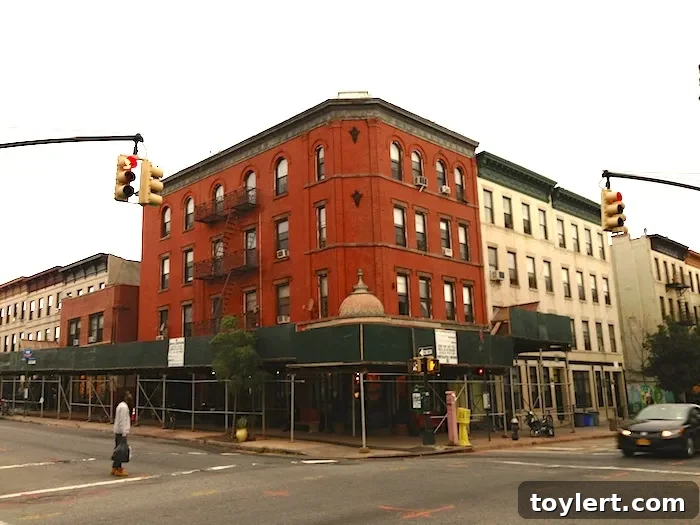
Franklin Avenue, particularly around Sterling Place, serves as an ideal location for such an experiment. This stretch is a vibrant artery of the Crown Heights neighborhood in Brooklyn, characterized by a lively mix of residential buildings, diverse small businesses, trendy cafes, popular restaurants, and essential services. Its sidewalks witness a constant flow of pedestrians, from daily commuters heading to and from nearby subway stations to shoppers, diners, and residents enjoying the local amenities. This high level of activity naturally generates a considerable amount of pedestrian waste. Therefore, understanding how to effectively manage litter in such a dynamic urban setting is not just about cleanliness but also about enhancing the quality of life for thousands of individuals who live, work, and recreate in the area.
The Broader Implications for Urban Sanitation
The Franklin Avenue experiment is more than just a localized study; it holds significant implications for urban sanitation strategies across New York City and potentially other densely populated metropolitan areas. The DSNY’s goal extends beyond merely counting litter. They aim to understand behavioral patterns, assess the true demand for public waste infrastructure, and identify the most cost-effective and sustainable solutions for maintaining a clean urban environment. This data-driven approach could inform decisions on trash can distribution, collection schedules, and even the design of future litter receptacles, leading to more efficient and responsive waste management systems city-wide.
Evaluating the success of this experiment will involve a multifaceted approach. DSNY will likely conduct detailed litter audits, analyzing the quantity and type of waste found on the streets during each phase. Community feedback, gathered through surveys and direct outreach by the Crow Hill Community Association, will also be crucial in understanding the human experience of the changes. Furthermore, DSNY might track the weight of collected trash from the experimental bins to quantify the volume being properly disposed of versus illegally dumped. The combination of empirical data and qualitative community input will provide a holistic view of the experiment’s impact.
Fostering Community Engagement and Responsibility
This pilot program also underscores the vital role of community engagement in maintaining urban cleanliness. The Crow Hill Community Association’s proactive involvement demonstrates how local organizations can act as essential bridges between city agencies and residents. Beyond the experiment, there’s an implicit call for all community members to take greater responsibility for their waste. Regardless of the number of trash cans available, proper waste disposal is a shared civic duty. Education campaigns, coupled with accessible infrastructure, form the cornerstone of a truly clean and sustainable city. The experiment highlights that while infrastructure is critical, public behavior and awareness are equally paramount in achieving lasting cleanliness.
As New York City continues to evolve, so too must its strategies for managing the challenges that come with dense urban living. The Franklin Avenue trash can experiment represents a proactive, data-informed approach to a perennial urban problem. Its findings will not only help shape the future of Franklin Avenue but also contribute valuable insights to the broader discourse on how to create cleaner, healthier, and more livable cities for everyone. The community awaits the results with keen interest, hoping that this innovative approach will pave the way for a cleaner future for Brooklyn and beyond.