Brooklyn City Council Elections 2021: Navigating Ranked-Choice Voting and the Path to Local Leadership
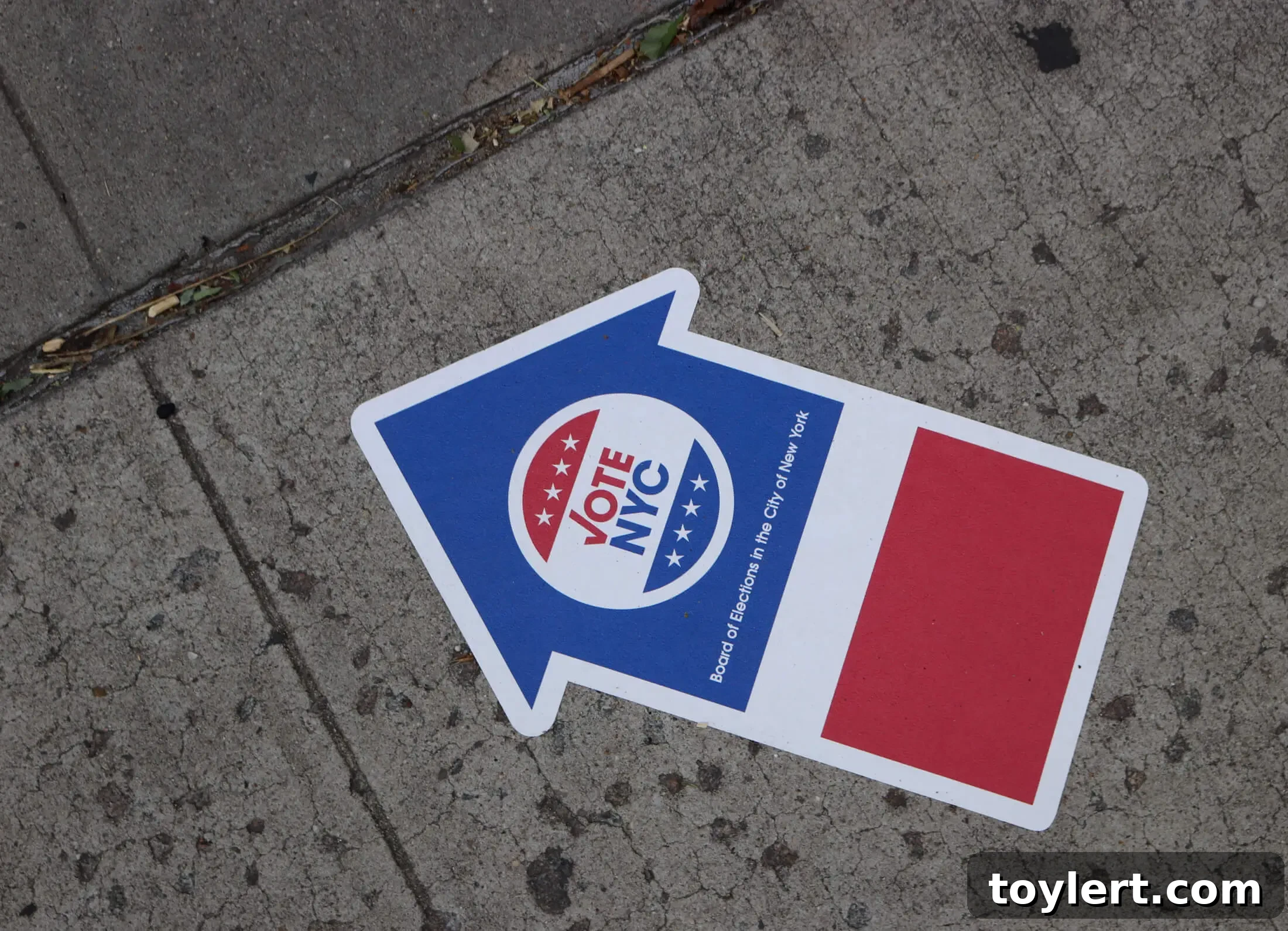
The highly anticipated Brooklyn City Council elections held on June 22, 2021, marked a pivotal moment for the borough’s future. As Brooklynites cast their ballots, they selected a new cohort of candidates poised to represent their diverse communities within the City Council. However, for many hopefuls and their supporters, the immediate aftermath of election night brought a period of eager anticipation, as most races hinged on the complex tabulation process of ranked-choice voting (RCV) before definitive victories could be declared.
This election cycle, the introduction of ranked-choice voting for primary and special elections in New York City significantly altered the traditional electoral landscape. Unlike the straightforward plurality system where the candidate with the most votes wins, RCV allows voters to rank candidates in order of preference rather than choosing just one. This innovative system, designed to foster broader consensus and ensure elected officials secure a majority of support, meant that the initial election night results were often preliminary, setting the stage for subsequent rounds of vote redistribution.
The Impact of Ranked-Choice Voting: A New Era for NYC Elections
Ranked-choice voting is a system that has garnered increasing attention across the United States for its potential to reshape democratic processes. In New York City, its implementation aimed to address several key issues, including the “spoiler effect” where a third-party candidate might draw votes away from a viable contender, and the election of officials with only a narrow plurality of support. By allowing voters to rank up to five candidates, RCV ensures that the winning candidate ultimately garners more than 50 percent of the vote, thereby strengthening their mandate.
The process unfolds in rounds. If no candidate receives an outright majority (over 50%) of first-choice votes in the initial count, the candidate with the fewest votes is eliminated. The votes from eliminated candidates are then redistributed to the next-ranked candidate on those ballots. This iterative process continues until one candidate achieves an absolute majority. For Brooklyn’s City Council races, this meant that the true winners in many districts would not be known until weeks after election day, allowing for a thorough and meticulous tabulation by the Board of Elections.
Early Victories: Candidates Clearing the 50% Threshold
Despite the complexities of RCV, a handful of candidates in the Brooklyn City Council races managed to secure decisive victories directly on election night. These individuals distinguished themselves by attracting more than 50 percent of the first-choice votes in their respective districts, thereby negating the need for any subsequent ranked-choice voting rounds. For these fortunate candidates, their path to the Democratic nomination was all but guaranteed, a significant achievement given Brooklyn’s overwhelmingly Democratic political landscape.
In many Brooklyn districts, securing the Democratic nomination is often tantamount to winning the general election itself, especially in the absence of a strong Republican challenger in November. These early winners demonstrated robust community support and effective campaign strategies that resonated deeply with voters. Their immediate triumphs provided a clear indication of their strong standing and offered a glimpse into the diverse priorities and leadership styles that would soon join the ranks of the City Council.
Races Hanging in the Balance: The Countdown to RCV Results
While some celebrated immediate wins, the majority of Brooklyn’s City Council races found themselves in a state of suspense. In numerous districts, candidates emerged with significant leads, demonstrating strong initial support. However, these leads, while substantial, did not cross the crucial 50 percent threshold required to bypass ranked-choice voting tabulation. This scenario perfectly illustrated the intended function of RCV, ensuring that representatives truly command a majority mandate from their constituents.
The waiting period for these results was a test of patience for candidates, campaign teams, and the electorate alike. Each passing day brought speculation and analysis as the Board of Elections diligently processed and recounted ballots, meticulously applying the RCV algorithm. The focus shifted from raw vote counts to understanding voter preferences and predicting how redistributed votes would ultimately reshape the final outcomes. This period underscored the importance of broad appeal and the ability of candidates to secure not just first-choice votes, but also to be ranked highly by a significant portion of the electorate.
The Significance of Brooklyn’s City Council Seats
The Brooklyn City Council seats are immensely influential, impacting the daily lives of millions of residents across the borough. As one of the five boroughs of New York City, Brooklyn boasts a vibrant tapestry of neighborhoods, each with its unique challenges and opportunities. The City Council serves as the legislative body of New York City, responsible for enacting local laws, approving the city’s budget, and overseeing the performance of city agencies. Council members are vital advocates for their districts, addressing everything from zoning and land use to public safety, education, housing, transportation, and economic development.
For Brooklyn, the outcome of these elections will determine who shapes the future of its diverse communities. New council members will grapple with critical issues such as affordable housing crises, supporting small businesses post-pandemic, improving public transit infrastructure, enhancing educational opportunities, and ensuring equitable access to city services. Their decisions will directly influence the quality of life, economic prosperity, and social fabric of neighborhoods ranging from Coney Island to Bushwick, from Bay Ridge to Flatbush.
What Lies Ahead: From Primary Wins to the General Election
Once the ranked-choice voting tabulations are complete and the primary winners are officially certified, attention will shift towards the general election scheduled for November. While many Brooklyn districts are heavily Democratic, meaning the primary winner often faces little challenge in the general election, the November vote remains an essential democratic exercise.
New council members will take office in January, embarking on a four-year term. The transition period between the primary results and their swearing-in will be crucial for these incoming leaders. It’s a time for them to build relationships with community stakeholders, familiarize themselves with the intricacies of city government, and begin laying the groundwork for their legislative agendas. The 2021 Brooklyn City Council elections, particularly with the strategic layer of ranked-choice voting, have undeniably set the stage for a new era of local leadership and community representation in one of New York City’s most dynamic boroughs.
The electoral process, from the initial candidate filings to the final certification of results, reflects the vibrant democratic spirit of Brooklyn. The strategic choices made by voters under the ranked-choice system not only determined individual winners but also shaped the collective vision for the borough’s future. As the dust settles and new leaders emerge, Brooklyn looks forward to a City Council that effectively addresses its complex needs and champions the aspirations of its diverse residents.