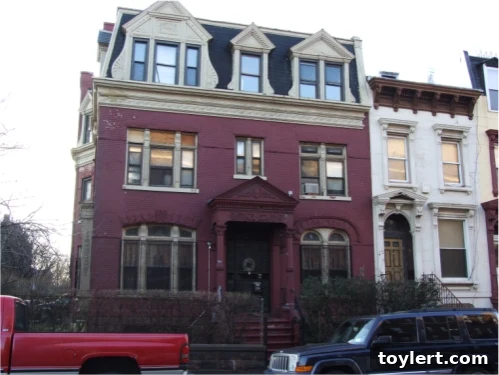
Unveiling Amzi Hill and Son: Master Architects of 19th-Century Brooklyn
In the bustling landscape of late 19th-century Brooklyn, a name synonymous with architectural excellence and enduring design was Amzi Hill and Son. From their office strategically located at 1161 Fulton Street, near Franklin Avenue, in 1890, with a simple phone number like ‘298 Bedford,’ this father-and-son duo stood ready to transform the urban fabric. They weren’t just builders; they were visionaries who meticulously crafted the homes that would define some of Brooklyn’s most iconic neighborhoods, leaving an indelible mark on the borough’s architectural heritage. Their practice, spanning decades, was responsible for a significant portion of the residential charm that continues to captivate residents and visitors alike. If one were to call upon them, Amzi Hill and his son Henry were prepared to build you a very nice house, a promise they consistently delivered on.
The synergy between Amzi Hill and his son, Henry, was palpable, a testament to shared talent and a deep understanding of evolving architectural tastes. Between the two of them, they designed an impressive array of residences across Bedford Stuyvesant, Crown Heights North, Clinton Hill, and Park Slope. Their work, primarily concentrated during the latter half of the 19th century, wasn’t merely about constructing buildings; it was about shaping communities, imbuing each street with a distinct character, and contributing to Brooklyn’s rapid growth and burgeoning identity as a grand urban center. Their collective output cemented their status as pivotal figures in the architectural development of New York City.
The Genesis of a Legacy: Amzi Hill’s Visionary Path
Amzi Hill’s journey into the architectural world began in 1833, the year of his birth in Putnam County, New York. His early aptitude for design and construction became apparent quickly. By the tender age of sixteen, in 1849, his ambition and skill had already manifested, leading him to register as an architect in the vibrant metropolis of Manhattan. This early start laid the groundwork for a distinguished career marked by innovation and a keen eye for detail. A pivotal move in 1860 saw Amzi relocating his practice to Brooklyn, a borough then experiencing explosive growth and a corresponding demand for skilled architects capable of designing the myriad homes required for its expanding population. For over three decades, until 1892, Amzi Hill dedicated his expertise to designing structures that stood as testaments to quality and aesthetics, establishing a formidable reputation in the process and becoming a recognized name among Brooklyn architects.
Henry Hill: The Son Who Built Upon a Foundation of Excellence
Following in his father’s formidable footsteps was Henry Hill, born and raised right in Brooklyn. Henry’s architectural education was a direct apprenticeship under his father, a hands-on learning experience that undoubtedly honed his skills and imbued him with the practical knowledge crucial for success in the demanding field of 19th-century architecture. This unique mentorship ensured a seamless transfer of architectural principles and a shared vision for the firm’s future, allowing them to tackle ambitious projects. By 1889, Henry’s capabilities were such that he formally entered into partnership with his father, solidifying “Amzi Hill and Son” as a powerful force in the local architectural scene. Contemporary business directories of the 1890s lauded Henry as “one of the ablest and most proficient members of his profession in this city,” a high commendation underscoring his immense talent and proficiency. He continued to practice at least until 1902, ensuring the firm’s influence extended well into the new century and securing their place among the most influential Brooklyn builders.
Crafting Brooklyn’s Identity: Amzi Hill and Son’s Enduring Architectural Footprint
The collective genius of Amzi and Henry Hill manifested in an astonishing volume of residential designs that profoundly shaped the character of several key Brooklyn neighborhoods. Their ability to blend functionality with artistic flair, often incorporating the prevalent architectural styles of the Victorian era, made their homes highly sought after. They understood the aspirations of Brooklyn’s growing middle and upper classes, translating those desires into elegant, durable, and visually appealing residences that have stood the test of time. Their designs didn’t just provide shelter; they created aspirational living spaces, defining the urban aesthetic of an entire generation. Their work consistently showcased a commitment to quality craftsmanship and a deep understanding of urban residential needs.
Bedford Stuyvesant: A Tapestry of Brownstone Grandeur
In Bedford Stuyvesant, Amzi Hill and Son’s contributions are particularly evident in the expansive stretches of brownstone-fronted row houses. These homes, often characterized by their stately facades, intricate cornices, and elegant stoops, became a hallmark of the neighborhood’s identity. The Hills skillfully designed residences that catered to the burgeoning middle class, offering spacious interiors, thoughtful layouts, and external ornamentation that ranged from Neo-Grec classical elements to the more whimsical details of Queen Anne style. Their work helped to establish Bed-Stuy’s reputation as a neighborhood of grand, architecturally significant homes, creating cohesive streetscapes that exude a timeless charm. Each block, often comprising a harmonious series of their designs, tells a story of late 19th-century urban prosperity and architectural craftsmanship, making their legacy here particularly profound and highly sought after by those appreciating historic Brooklyn homes.
Crown Heights North: Regal Residences and Urban Elegance
Crown Heights North, another significant canvas for the Hills’ architectural prowess, benefited immensely from their sophisticated designs. Here, their residences often adopted a more formal, majestic bearing, reflecting the aspirations of its residents for spacious, elegant living. While sharing some characteristics with their Bed-Stuy counterparts, the Crown Heights homes might feature slightly grander proportions, perhaps incorporating Romanesque Revival elements with robust stone detailing or more elaborate carved woodwork. The firm’s designs here contributed to a sense of urban elegance, creating tree-lined streets punctuated by architecturally distinguished houses that projected an air of quiet grandeur. They were instrumental in establishing the neighborhood’s reputation for refined domestic architecture, appealing to those who sought both comfort and a touch of opulence within the urban setting.
Clinton Hill: Architectural Innovation and Affluence
Clinton Hill, historically a neighborhood favored by affluent merchants and professionals, presented Amzi Hill and Son with opportunities to showcase their versatility and innovative spirit. The homes they designed here often pushed the boundaries of contemporary residential architecture, incorporating a wider range of materials and stylistic influences. While brownstones remained popular, the firm might have experimented with brick, terra cotta, and diverse decorative motifs, perhaps even drawing inspiration from emerging Shingle Style or early Colonial Revival elements. Their Clinton Hill projects often featured grander scale, unique fenestration, and more individualized detailing, reflecting the bespoke demands of their clientele. The Hills helped to solidify Clinton Hill’s reputation as a bastion of architectural experimentation and sophisticated urban living, contributing significantly to its rich and varied streetscapes that remain admired today.
Park Slope: Iconic Row Houses and Victorian Charm
In Park Slope, a neighborhood renowned for its picturesque brownstones and vibrant community, Amzi Hill and Son’s work played a crucial role in defining its iconic streetscapes. Their contributions here frequently embraced the classic Victorian row house aesthetic, characterized by soaring ceilings, intricate plasterwork, decorative fireplaces, and bay windows that offered ample light and views of the tree-lined streets. The firm’s designs often showcased exceptional craftsmanship in their brickwork, stone carving, and wood detailing, reflecting the high standards of the era. They contributed to the cohesive architectural rhythm that makes Park Slope one of Brooklyn’s most beloved and preserved historic districts, ensuring that each block possessed a harmonious yet subtly unique charm. Their houses continue to be highly coveted, embodying the timeless appeal of Brooklyn’s brownstone era and a testament to their enduring design principles.
The Architectural Aesthetic of the Era: What Did Amzi Hill and Son Build?
The latter half of the 19th century in Brooklyn was a dynamic period for architectural styles, and Amzi Hill and Son were adept at navigating these trends. While their work is deeply associated with the “brownstone aesthetic,” their designs were far from monolithic. They skillfully integrated elements from prevailing styles such as Neo-Grec, Romanesque Revival, Queen Anne, and even hints of Italianate. Neo-Grec influences would manifest in strong, often angular, stone carvings and geometric patterns, creating a sense of classical order and stately presence. Romanesque Revival, with its sturdy masonry, round arches, and often darker, earthier tones, would lend a sense of robustness and grandeur, particularly in larger homes or prominent facades, exuding an air of permanence and strength.
Queen Anne style, celebrated for its picturesque asymmetry, varied textures, and vibrant ornamentation – including turrets, gables, bay windows, and decorative shingles – also found its way into their repertoire, bringing a touch of whimsical elegance to their designs. Material choices were crucial; while brownstone was a signature, they also utilized brick, terra cotta, and varied wood treatments to create distinctive facades that broke monotony and added visual interest. Interior layouts were meticulously designed for practicality and comfort, featuring generous parlors, formal dining rooms, and multiple bedrooms, all while incorporating exquisite period details like elaborate moldings, functional pocket doors, and decorative tile work. Their structures were built to last, employing solid construction techniques that ensured remarkable durability, a quality strikingly evident in the excellent condition of many of their surviving works today, offering a tangible link to Brooklyn’s rich architectural past.
A Lasting Heritage: The Enduring Influence of Amzi Hill and Son
The architectural firm of Amzi Hill and Son left behind an unparalleled legacy, a vast collection of residential buildings that continue to define the urban landscape of Brooklyn. Their commitment to quality, aesthetic beauty, and functional design has ensured that their work remains highly valued centuries later. As one strolls through the tree-lined streets of Bedford Stuyvesant, Crown Heights North, Clinton Hill, or Park Slope, the elegant facades and meticulously crafted details of their homes serve as a constant reminder of their profound impact. They were more than just architects; they were urban planners in their own right, shaping the very essence of what it means to live in historic Brooklyn and contributing significantly to its renowned architectural character.
Their collective talent and vision helped transform Brooklyn from a collection of smaller towns into a thriving, architecturally rich borough. The homes designed by Amzi Hill and Son are not merely buildings; they are historical artifacts, each telling a story of 19th-century aspirations, craftsmanship, and the enduring appeal of well-conceived architecture. Their legacy serves as an inspiration for preservationists and urban enthusiasts alike, urging us to appreciate the intricate beauty and historical significance woven into the very fabric of Brooklyn’s built environment. Amzi Hill and Son remain towering figures in the chronicle of American architecture, their work a timeless testament to a golden age of building in Brooklyn and a cornerstone of its celebrated residential heritage.