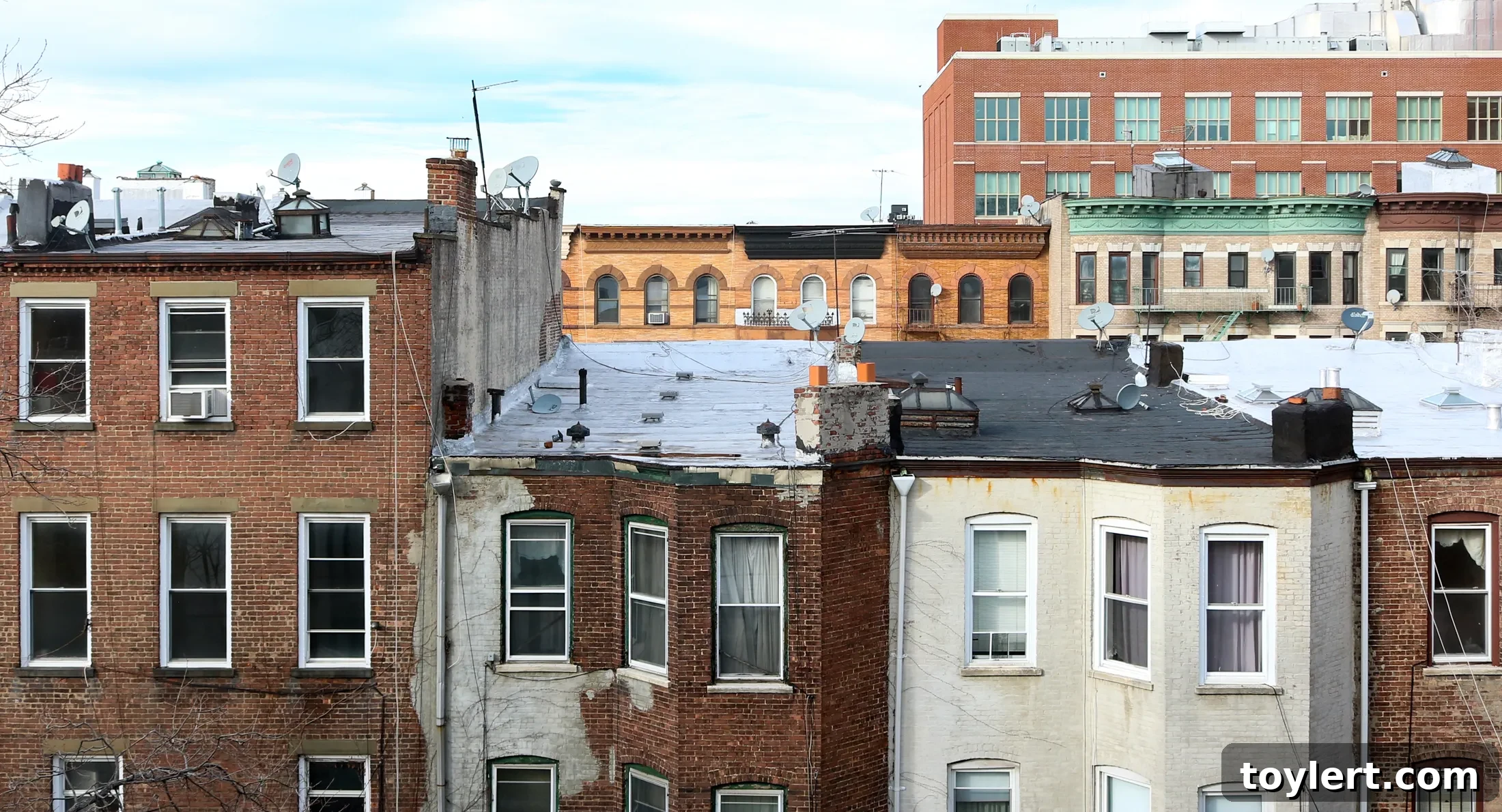
Comprehensive Winter Roof Care Guide for Brooklyn Brownstones: Protect Your Investment
As the crisp autumn air transitions into the biting chill of winter, Brooklyn homeowners are confronted with a critical decision: address potential roof issues now, or gamble on facing expensive, urgent repairs when the weather is at its most unforgiving. For those owning one of Brooklyn’s iconic brownstones, this choice carries even more weight. Understanding the unique vulnerabilities of these historic structures and knowing precisely what warning signs to look for on your roof can empower you to make informed decisions, distinguishing between routine upkeep and the necessity of a full replacement. Proactive maintenance isn’t just about saving money; it’s about safeguarding your home, ensuring comfort, and preserving the architectural integrity of your beloved brownstone through the harsh winter months.
The Harsh Reality: Why Winter Roof Care in Brooklyn is Non-Negotiable
Brooklyn winters are notoriously tough, characterized by heavy snowfall, freezing rain, and relentless freeze-thaw cycles. These extreme conditions take a significant toll on roofing systems, exacerbating minor issues and potentially leading to catastrophic damage if left unchecked. A small crack in flashing in the fall can become a major leak once ice dams form or snow accumulates, causing water to infiltrate your home. This leads to costly interior damage, compromised structural integrity, and even hazardous mold growth. Beyond the immediate repair costs, a poorly maintained roof can dramatically reduce your home’s energy efficiency, allowing precious heat to escape and driving up utility bills. Investing in pre-winter roof care is an investment in your home’s longevity, your family’s comfort, and your financial peace of mind.
Unveiling Brownstone Roof Vulnerabilities: More Than Just a Flat Surface
Brownstone roofs, often flat or low-slope, come with their own distinct set of challenges that differ significantly from pitched roofs found on newer constructions. Their key components – parapet walls, various vents, and skylights – introduce numerous points of potential water ingress. These older buildings, while possessing undeniable charm and historical value, demand vigilant observation and specialized care to prevent the severe winter damage that can undermine their structural integrity and historical character.
Parapet Walls: Silent Sentinels of Trouble
Often overlooked, parapet walls are the low protective barriers extending above the roofline of many brownstones. While aesthetically defining, they are prime suspects for water penetration. Cracks in the mortar joints, deteriorating coping stones on top, or failing flashing where the roof membrane meets the wall can allow water to seep into the brickwork. During freeze-thaw cycles, this trapped moisture expands, causing bricks to spall and mortar to crumble, weakening the wall and creating pathways for leaks that can manifest far from the initial point of entry.
Skylights and Vents: Entry Points for Winter Woes
Skylights and exhaust vents are essential for light and ventilation, but they represent significant vulnerabilities on any roof, especially aging brownstone roofs. The seals around skylight frames can degrade over time, leading to leaks. Similarly, the flashing around plumbing vents, exhaust fans, and other penetrations can become brittle, cracked, or dislodged, allowing melting snow and ice to bypass the roofing membrane. Furthermore, inadequate attic ventilation combined with a poorly sealed skylight can lead to condensation issues inside, mimicking a roof leak.
Drainage Systems: The Unsung Heroes (or Villains)
Given the prevalent flat roof design of brownstones, effective drainage is paramount. Poorly maintained or clogged scuppers (openings in parapet walls), internal drains, and external gutters are an open invitation for water accumulation. Standing water, especially during freezing temperatures, can quickly turn into ice, creating immense stress on the roof membrane and structure. Ice dams, which form when snow on the warmer part of the roof melts and refreezes at the colder eaves or edges, can force water under shingles or membrane, leading to significant leaks and damage to both the roof and interior.
Material Considerations: The Aging Factor
Many brownstones feature traditional built-up roofs (BUR) or more modern modified bitumen (mod-bit) or EPDM membranes. Each material has a finite lifespan, and as they age, they become more susceptible to the elements. UV radiation, temperature fluctuations, and continuous exposure to moisture can cause these materials to crack, blister, shrink, or delaminate. Understanding your roof’s age and material type is crucial in assessing its resilience against the upcoming winter and determining whether repairs or a full replacement are more appropriate.
Your Pre-Winter Roof Inspection Checklist: What to Look For
Kamco Restoration, a trusted name in Brooklyn roofing, strongly advises homeowners to conduct a thorough pre-winter inspection. While a professional assessment is always recommended for safety and accuracy, knowing what to look for can help you identify potential problems early. Here’s a comprehensive checklist:
- Membrane Integrity: For flat roofs, look for cracks, punctures, blisters, or areas where the membrane appears to be lifting or delaminating. On sloped sections, check for missing, curled, cracked, or blistering shingles.
- Flashing Around Penetrations: Carefully inspect all flashing around chimneys, skylights, vents, and parapet walls. Look for bent, loose, rusted, or cracked flashing, or signs where old sealant has dried out and failed.
- Gutter and Drainage Systems: Ensure gutters and downspouts are clear of leaves and debris. Check for any sagging, disconnections, or leaks. On flat roofs, verify that scuppers and internal drains are free-flowing and not obstructed.
- Parapet Wall Condition: Examine the mortar joints for cracks or crumbling, and check the coping stones for stability and signs of water damage. Any vegetation growing on the walls can indicate moisture retention.
- Signs of Water Pooling: After rain, observe your flat roof for any areas where water collects and doesn’t drain within 48 hours. This indicates poor drainage or sagging in the roof deck.
- Interior Warning Signs: Don’t forget to look inside your home. Water stains on ceilings or walls, peeling paint, or a musty odor can indicate an active leak. Check your attic for signs of moisture, mold, or drafts.
- Vegetation Growth: Moss or algae growth on any part of the roof can trap moisture, accelerate material degradation, and indicate poor drainage or constant dampness.
- General Debris: Remove any branches, leaves, or other debris that can trap moisture or damage the roof surface.
Remember, while visual inspections are helpful, navigating a brownstone roof can be dangerous. For a comprehensive and safe assessment, especially when dealing with older structures, it’s always best to rely on experienced professionals like Kamco Roofing. Their expertise ensures that hidden issues are identified before they escalate.
Beyond Repairs: When to Consider a Roof Replacement
While many roofing issues can be resolved with timely repairs, there comes a point where a full roof replacement becomes the more economical and practical solution. Ignoring the signs for a new roof can lead to a cycle of recurring, expensive repairs that ultimately cost more than a single replacement. Key indicators that your brownstone roof might be nearing the end of its life include:
- Advanced Age: Most roofing systems have a lifespan of 20-30 years, depending on the material. If your roof is nearing or past this age, a replacement should be considered even if visible damage isn’t extensive.
- Extensive Damage: Widespread cracking, blistering, buckling, or delamination across a large portion of the roof surface signals that the membrane has lost its integrity. Numerous missing shingles or large patches of granular loss also point to significant wear.
- Recurring Leaks: If you’re constantly patching leaks in different areas, it’s a strong indication that the entire system is failing. These frequent repairs are often just temporary fixes.
- Sagging Roof Deck: A visibly sagging roof deck, particularly on flat roofs, suggests structural issues or compromised support, necessitating immediate professional evaluation and likely replacement.
- High Energy Bills: An old, failing roof often has degraded insulation properties, leading to significant heat loss in winter and heat gain in summer. A new roof can drastically improve your home’s energy efficiency.
A complete roof replacement, while a significant investment, offers numerous benefits, including enhanced protection, improved curb appeal, increased property value, and peace of mind for decades to come. Modern roofing materials also offer superior insulation and durability compared to older systems.
Partnering for Protection: The Kamco Roofing Advantage
For Brooklyn homeowners, securing your brownstone against winter’s onslaught requires not just awareness, but also the right expertise. Kamco Roofing stands as a pillar of reliability and quality in both commercial and residential roofing. With a deep understanding of the unique demands placed on historic brownstone structures, Kamco offers unparalleled workmanship using only the best, most durable materials available.
Whether your brownstone requires a meticulous repair of a compromised parapet wall, a complete overhaul of its flat roof system, or an emergency assessment after a severe storm, Kamco Restoration is equipped to deliver lasting solutions. Their commitment to quality ensures that every project, big or small, reinforces the integrity and extends the life of your home’s most crucial protective barrier. Don’t wait for winter to unveil hidden vulnerabilities; proactively safeguard your investment.
Contact Kamco Restoration today for a professional roof inspection and ensure your brownstone is winter-ready.
1 | 2 | 3 | 4 Single Page