Illuminating Our Dream Kitchen: A Renovation Journey and Lighting Challenge
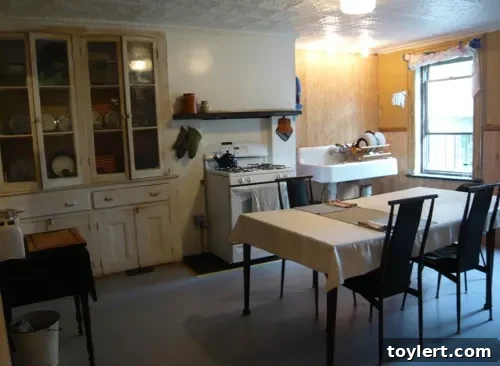
The journey of transforming a house into a home is often filled with exciting decisions, especially when it comes to a space as vital as the kitchen. We’re currently deep into a significant kitchen renovation project, and as you can see from the photo above, progress is being made! We’re tackling some essential plumbing work to the right of the fireplace, a critical step before we can move on to the more aesthetically pleasing stages of the renovation. This phase, while messy, is laying the groundwork for a kitchen that will be both beautiful and highly functional, a true heart of our home. We envision a space that blends classic charm with modern convenience, and every detail, from the structural elements to the finishing touches, is being carefully considered.
Once the plumbing is fully addressed and tested, our attention will shift to restoring the architectural integrity of the room. This includes meticulously restoring all the moldings, which will bring back the original character and elegance of the space. Following this, the bead board will be stained to a rich, warm tone, adding texture and a touch of rustic sophistication. Finally, we’ll move onto plastering and painting, preparing a fresh, clean canvas for our new kitchen design. Each of these steps is crucial in building the foundation for the inviting atmosphere we’re striving for. However, before the plaster goes up, we’re faced with a critical decision regarding our lighting scheme, a decision that will profoundly impact the overall ambiance and utility of the finished room.
Navigating the World of Kitchen Lighting: Key Decisions Ahead
Lighting is often referred to as the jewelry of a home, and in a kitchen, it’s far more than just decoration; it’s a fundamental element for both function and mood. With the walls exposed and the electrical work accessible, now is the opportune moment to solidify our lighting plan. The question that currently occupies our minds is: should we install two points for sconces on each of the short ends of the room before we plaster? Sconces can add a wonderful layer of ambient light and architectural interest, but their placement needs to be precise and intentional to achieve the desired effect. We’re weighing the benefits of this additional light source against the simplicity of a purely ceiling-based system, considering how they will integrate with the existing architectural features and the overall design aesthetic we are aiming for.
The Case for Sconces: Adding Ambiance and Functionality
The allure of sconces on the short ends of the kitchen is considerable. These fixtures can provide excellent ambient lighting, softening the overall illumination and creating a more inviting, less sterile atmosphere than overhead lights alone. Beyond their ambient contribution, sconces can also serve as effective accent lighting, highlighting architectural features or artwork that might eventually adorn those walls. For a kitchen, where both broad illumination and focused task lighting are paramount, introducing sconces could be a game-changer, especially in larger or more open-plan spaces where light can feel sparse.
When considering sconces, several factors come into play. We need to think about the optimal height for installation to ensure the light is cast effectively without creating glare. The style of the sconces is equally important; should they match the period of the house, offering a vintage or traditional feel, or should they lean towards a more modern or industrial aesthetic to create a contrasting element? The decision to pre-wire for sconces now, before the plastering, is a practical one, as it avoids messy and costly electrical work later on. We envision them providing a warm, welcoming glow in the evenings, perfect for entertaining or quiet meals, complementing the primary light sources without overpowering them.
Choosing the Perfect Central Ceiling Light for Our Kitchen
Beyond the potential sconces, another pressing question revolves around the central ceiling fixture. The current fixture, a placeholder from earlier stages, definitely needs replacing. This central light is crucial for general illumination, providing the foundational layer of light for the entire room. The options here are vast and varied, each offering a distinct style and level of functionality. Do we opt for a flush-mount or semi-flush-mount fixture for a sleek, unobtrusive look, perhaps with a classic drum shade or a more modern geometric design? Or should we consider something more dramatic, like a statement chandelier, if the ceiling height allows, to act as a focal point in the room?
Other possibilities include strategically placed recessed lighting, which offers a clean, contemporary look and provides excellent general illumination without visual clutter. Alternatively, track lighting could offer flexibility in directing light to various zones, though it often leans towards a more modern or industrial aesthetic that might not perfectly align with our desired classic-meets-modern feel. The ideal central fixture will not only provide ample light but also harmonize with the architectural elements we are restoring and the overall design theme. We need to find a balance between sufficient light output for practical tasks and an aesthetic appeal that enhances the kitchen’s character, ensuring it feels cohesive and well-designed from every angle.
Pendant Lights or Bare Bulbs: Illuminating the Sink Area
The sink area is undeniably a high-traffic zone in any kitchen, demanding focused and efficient task lighting. For this specific spot, we’re strongly considering pendants with flat opal glass shades. The appeal of opal glass lies in its ability to diffuse light beautifully, providing a soft yet effective glow without harsh shadows or glare. This would create a pleasant working environment, making tasks like washing dishes or preparing vegetables much more comfortable. A pair of well-chosen pendants can also serve as elegant decorative elements, drawing the eye and adding a sophisticated touch to the workspace.
However, we also find ourselves quite drawn to the charm of bare Edison bulbs. There’s a certain industrial-chic appeal and a warm, inviting glow that these filament bulbs emit, which we don’t mind too much even in their current temporary setup. Opting for bare Edison bulbs would lend a distinct vintage or industrial character to the kitchen, creating a captivating visual statement. The decision between the diffused elegance of opal glass pendants and the raw, nostalgic charm of Edison bulbs boils down to a balance between task-specific functionality and pure aesthetic preference. While Edison bulbs offer a unique ambiance, their light can be less practical for focused tasks unless paired with sufficient ambient lighting. We’re deliberating which choice will best contribute to the overall mood and practicality of our finished kitchen, especially considering the longevity and versatility of each option.
Crafting the Perfect Ambiance: Essential Kitchen Lighting Principles
The ultimate goal for our kitchen lighting is to achieve a balanced, layered approach, which is a cornerstone of effective interior design. Layered lighting typically involves three key types: ambient, task, and accent lighting. Ambient lighting, provided by our central ceiling fixture and potentially the sconces, establishes the general brightness of the room. Task lighting, crucial over the sink (and eventually over prep areas and cooktops), ensures functionality and safety for specific activities. Accent lighting, possibly from the sconces or integrated into shelving, highlights features and adds depth to the design. By carefully combining these layers, we can create a kitchen that feels welcoming, efficient, and visually appealing at all times of day.
Another principle we’re embracing is the importance of dimmers. Incorporating dimmers on all lighting circuits offers unparalleled flexibility, allowing us to adjust the intensity of light to suit different moods and occasions. Bright light for cooking and cleaning, a softer glow for casual dining or evening relaxation – dimmers make it all possible. We are also giving thought to the color temperature of our chosen bulbs. Warm white lights (around 2700K-3000K) typically create a cozier, more inviting atmosphere, while cooler white lights (3500K-4000K) tend to feel more energetic and task-oriented, ideal for practical workspaces. Striking the right balance here is key to ensuring our kitchen is comfortable and functional.
Finally, energy efficiency is a significant consideration in our choices. Modern LED technology offers incredible longevity and energy savings without compromising on light quality or design aesthetics. While we appreciate the classic look of Edison bulbs, exploring LED filaments that mimic their appearance while offering superior efficiency is a priority. Every decision, from the type of fixture to the bulb choice, is being made with an eye toward sustainability and long-term cost-effectiveness. Our aim is to create a lighting scheme that not only looks fantastic but also serves our needs efficiently for years to come, reducing our environmental footprint while enhancing our daily lives.
Join the Conversation: Share Your Kitchen Lighting Ideas and Insights!
As we navigate these crucial decisions in our kitchen’s renovation journey, we’re eager to tap into the wealth of experience and creativity within our community. We believe that the best ideas often come from shared experiences and diverse perspectives. So, what about you? What are you currently using or thinking of using for your kitchen lighting? Have you recently undergone a similar renovation, or do you have a dream lighting setup you’re planning? We would love to hear your thoughts, suggestions, and even your dilemmas.
Please don’t hesitate to share your photos and ideas here. Whether you’ve found the perfect vintage chandelier, embraced modern recessed lighting, or experimented with unique pendant designs, your insights would be invaluable. Perhaps you have strong opinions on the benefits of different types of shades or the ideal placement of task lighting. Maybe you’ve discovered a brilliant solution for ambient lighting in an oddly shaped kitchen, or you have advice on the best brands for durable and stylish fixtures. Every tip, every recommendation, and every personal anecdote helps us refine our vision and make informed choices. We are particularly interested in hearing about your experiences with specific fixture types, bulb choices, and how you achieved a balanced lighting scheme in your own kitchen spaces. Your contributions will not only help us but also inspire others who are embarking on their own home improvement adventures. Thanks for being a part of our renovation story!
Embarking on the Final Touches: Your Wisdom is Key
The transformation of our kitchen is a labor of love, and getting the lighting right is paramount to its success. We are genuinely excited about the prospect of a beautifully illuminated space, but the choices can be overwhelming. Your shared wisdom will undoubtedly shed light on our path forward, helping us to create a kitchen that is truly bright, functional, and reflective of our style. We look forward to reading your inspiring ideas and incorporating the best advice into our own renovation plans. Thank you for being a part of this exciting journey with us!