Brooklyn’s Dynamic Landscape: Cobble Hill and Prospect Lefferts Gardens Under the Lens
Brooklyn continues to captivate residents and investors alike, a borough celebrated for its distinct neighborhoods, rich history, and evolving urban fabric. Recently, two of its most intriguing enclaves, Cobble Hill and Prospect Lefferts Gardens, garnered significant attention from the New York Times, highlighting their unique trajectories within Brooklyn’s ever-changing real estate panorama. While both boast quintessential Brooklyn brownstones and a vibrant community spirit, their current market dynamics and cultural identities offer a fascinating contrast, reflecting broader trends shaping one of New York City’s most desirable boroughs.
Cobble Hill: A Testament to Enduring Elegance and Luxury Conversions
Nestled along Brooklyn’s waterfront, Cobble Hill has long been synonymous with historic charm and upscale living. This picturesque neighborhood, characterized by its tree-lined streets, landmarked brownstones, and stunning architectural heritage, has seen a dramatic transformation in recent years, particularly in its real estate market. The New York Times spotlighted a prevailing trend: an influx of buyers, predominantly from Manhattan, who are actively reconfiguring multi-family townhouses into expansive, single-family residences. This movement speaks volumes about the demand for space and privacy within a charming, historic setting.
Architectural Preservation and Market Dynamics
The conversion of multi-family units back to single-family homes is not merely a trend of luxury; it often comes hand-in-hand with a deep appreciation for the neighborhood’s historical integrity. Roy Sloane, a prominent voice and president of the Cobble Hill Association, has notably commended new homeowners for their commitment to restoring these renovated townhouses to their original, grand designs. This emphasis on architectural preservation helps maintain the neighborhood’s distinctive character and ensures that its historical legacy is honored, even as property values soar to unprecedented heights.
The market in Cobble Hill is fiercely competitive, driven by exceptionally low inventory coupled with sky-high demand. This scarcity inevitably pushes prices upward, making properties in this coveted neighborhood some of the most expensive in Brooklyn. A prime example of this escalating market was the sale of 223 Warren Street, a property initially listed at a staggering $6 million, which quickly went into contract. The swiftness of such high-value transactions underscores the intense buyer interest and the robust nature of Cobble Hill’s luxury real estate sector. Reports from sources like Curbed further confirmed the rapid closure of this deal, illustrating the urgent pace at which premium properties are being acquired in the area.
This trend of converting multi-family homes into single-family dwellings has several implications. While it caters to the desires of affluent buyers seeking larger, more private living spaces, it also contributes to a reduction in available rental units and starter homes, potentially altering the socio-economic fabric of the neighborhood over time. However, the focus on meticulous restoration also ensures that the architectural integrity and aesthetic appeal that define Cobble Hill are not just preserved, but often enhanced, contributing to its enduring allure.
Prospect Lefferts Gardens: An Oasis of Diversity and Untapped Potential
Moving eastward, away from the immediate waterfront, lies Prospect Lefferts Gardens (PLG), a neighborhood that offers a different, yet equally compelling, narrative of Brooklyn living. The New York Times delved into PLG’s rich tapestry, sharing insights into its distinctive historical background, unique architectural styles, and vibrant local commerce. Unlike Cobble Hill, which has long been established as a high-end market, PLG represents an area experiencing a burgeoning interest, celebrated for its authentic character and a strong sense of community.
Historical Roots and Cultural Vibrancy
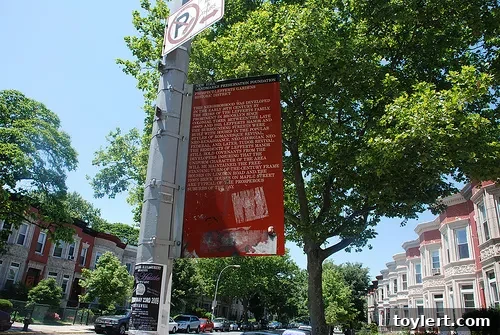
Prospect Lefferts Gardens derives its name from the historic Lefferts family farm, a testament to its deep roots in Brooklyn’s agricultural past. Today, it stands as a testament to cultural diversity and urban vitality. The neighborhood boasts an impressive collection of Romanesque Revival, Neo-Renaissance, and Colonial Revival brownstones and limestones, often larger and more ornate than those found in more central Brooklyn areas. These architectural gems, coupled with the neighborhood’s proximity to the expansive and verdant Prospect Park, contribute to its designation as a quiet “oasis” within the bustling city.
The article poignantly captured the essence of PLG’s atmosphere: “On an ordinary afternoon the streets are nearly empty and close to silent until they abut Flatbush Avenue, once called ‘Vlacke Bos’ — Dutch for wooded plain — and today busy with Indian takeout restaurants, hair salons and ethnic boutiques. It’s an eclectic array that matches the diversity of the area’s residents.” This description perfectly encapsulates the duality of PLG: serene residential blocks giving way to the energetic pulse of Flatbush Avenue. Here, the commercial strip is a lively mosaic of cultures, offering everything from savory Caribbean and West African cuisines to vibrant shops catering to the diverse local population, including the noticeable presence of Rastafarian-inspired businesses. This rich cultural blend makes PLG a unique and welcoming community, reflecting the true spirit of Brooklyn’s multicultural identity.
A Community in Bloom
While Cobble Hill’s story is one of intensifying luxury and conversions, Prospect Lefferts Gardens showcases a different trajectory. It is a neighborhood where historical character meets an active, engaged community. The relative quietness of its residential streets, contrasted with the lively commercial arteries, creates a balanced urban experience. The increasing recognition of PLG’s charm, affordability (relative to neighborhoods like Cobble Hill), and strong community bonds suggests its growing appeal to a broader demographic seeking authentic Brooklyn living without the prohibitive price tags of established luxury enclaves. This makes PLG a compelling example of a neighborhood on the rise, celebrated for its intrinsic value and potential for future growth while preserving its unique character.
Brooklyn’s Enduring Appeal: A Tale of Two Neighborhoods
The New York Times’ exploration of Cobble Hill and Prospect Lefferts Gardens offers a microcosm of Brooklyn’s multifaceted appeal and its ongoing evolution. Cobble Hill stands as a beacon of preserved historical luxury, where discerning buyers invest significantly to reclaim and restore grand brownstones, driving prices to the pinnacle of the market. It represents a mature stage of gentrification, where the neighborhood’s desirability has translated into an exclusive, high-value residential haven.
In contrast, Prospect Lefferts Gardens embodies a vibrant, diverse community in a different phase of its development. It offers a more accessible entry point to historic Brooklyn living, characterized by an eclectic mix of cultures and a dynamic local economy along thoroughfares like Flatbush Avenue. While also experiencing increasing interest and property value appreciation, PLG retains a strong sense of its original community fabric and cultural richness, presenting an “oasis” for those seeking a lively yet tranquil urban experience adjacent to one of NYC’s most beloved parks.
Both neighborhoods, in their unique ways, underscore the magnetic draw of Brooklyn. Whether it’s the refined elegance and historical prestige of Cobble Hill or the vibrant diversity and community spirit of Prospect Lefferts Gardens, the borough continues to offer a rich tapestry of living experiences. These distinct narratives are integral to understanding the broader trends in urban development, architectural preservation, and cultural evolution that define Brooklyn as one of the world’s most dynamic and desirable places to call home.
Further Reading and Image Credit
Land of the Multi-No-Longer Family House [NY Times]
Brownstones and Rastafarian Gear [NY Times]
Prospect Lefferts Gardens by kthread