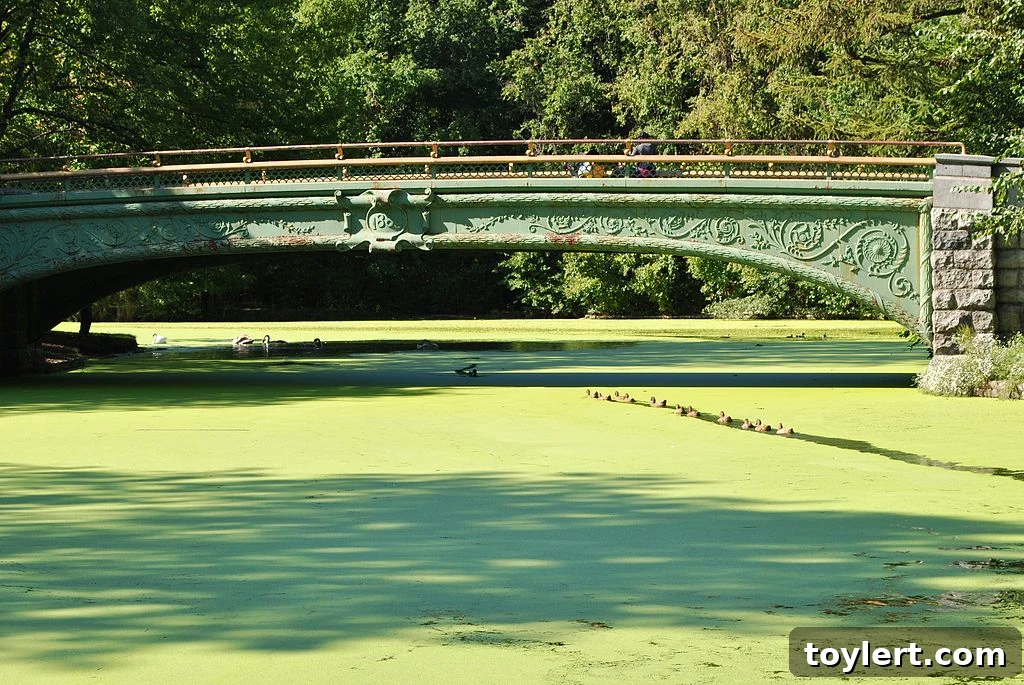
Discover the Unseen Wonders of Prospect Park: A Journey Beyond the Familiar
Nestled in the heart of Brooklyn, Prospect Park stands as a sprawling masterpiece of landscape architecture, offering a verdant escape from the urban hustle. While many visitors are well-acquainted with its iconic landmarks – the expansive Long Meadow, the charming Picnic House, and the vibrant Bandshell – the park is a treasure trove of lesser-known marvels waiting to be discovered. Far beyond the popular gathering spots, a rich tapestry of history, design, and nature unfolds, revealing secret corners and hidden narratives that add layers to its already impressive allure.
For those eager to delve deeper into the park’s enigmatic charm, a specialized exploration, much like the “Secrets of Prospect Park” tour once offered by the Municipal Arts Society, serves as an invaluable guide. Such an adventure promises to unveil sites often overlooked, inviting a fresh perspective on a beloved green space. This journey into the park’s intimate details is not merely a walk; it’s an immersion into the legacy of its visionary designers, Frederick Law Olmsted and Calvert Vaux, who meticulously crafted every curve, grove, and vista with purpose and artistry.
Beyond the Main Paths: Unearthing Prospect Park’s Hidden Gems
To truly appreciate Prospect Park, one must venture off the beaten path and explore the quiet corners where history whispers and nature thrives undisturbed. Many of these spots carry significant historical weight or showcase unique architectural brilliance that often goes unnoticed by the casual visitor. Let’s embark on a virtual tour of some of these remarkable, yet frequently overlooked, destinations.
The Lafayette Monument: A Tribute to Transatlantic Friendship
Our journey begins near the bustling Grand Army Plaza entrance, yet slightly tucked away from the immediate gaze of passersby, stands the Lafayette Monument. This impressive bronze statue honors the Marquis de Lafayette, the young French aristocrat who played a pivotal role in the American Revolutionary War. Sculpted by the renowned Daniel Chester French, the monument was dedicated in 1917, serving as a powerful symbol of the enduring friendship between France and the United States. Its intricate details and dignified presence offer a moment of reflection, reminding visitors of the profound historical connections that shaped the nation, often overshadowed by the park’s recreational buzz. Discovering this monument encourages a deeper understanding of the historical significance embedded within the park’s landscape, linking its grandeur to a broader narrative of freedom and alliance.
Litchfield Villa: An Italianate Masterpiece
Venturing further, we encounter the magnificent Litchfield Villa, an architectural gem that predates the park itself. Constructed in 1854 for railroad magnate Edwin Clark Litchfield, this opulent Italianate mansion boasts stunning architectural details, including a grand cupola, ornate ironwork, and a façade adorned with intricate carvings. When Olmsted and Vaux began designing Prospect Park, they recognized the villa’s unique beauty and seamlessly incorporated it into their plans. Today, Litchfield Villa serves as the administrative headquarters for Prospect Park Alliance, the non-profit organization that partners with the city to oversee the park’s maintenance and restoration. Its survival and integration into the park’s design story is a testament to its enduring architectural and historical value, offering a glimpse into Brooklyn’s past elegance and the foresight of the park’s founders.
The Hidden Cemetery: A Portal to Brooklyn’s Past
One of the most intriguing and perhaps most genuinely “hidden” sites on any tour of Prospect Park’s secrets is the adjacent Flatbush Dutch Reformed Church Cemetery. While not strictly *within* the park’s official boundaries, its proximity and historical ties make it an essential part of the larger Prospect Park experience for those seeking a deeper historical dive. This venerable burial ground dates back to the mid-17th century, making it one of the oldest cemeteries in New York City. Strolling through its ancient gravestones, one can trace the lineage of early Brooklyn settlers, Revolutionary War soldiers, and prominent local families. The sense of tranquility and history here is palpable, offering a stark contrast to the lively park and providing a solemn yet fascinating connection to the generations that shaped the borough. It serves as a poignant reminder of the rich history that lies just beyond the park’s manicured lawns and bustling paths, a quiet sanctuary where time seems to stand still.
The Music Pagoda and Music Grove: Harmonious Design and Community Life
The musical heart of Prospect Park beats within the charming Music Pagoda and the surrounding Music Grove. These areas were intentionally designed by Olmsted and Vaux to host public concerts and community gatherings, reflecting their vision of a democratic park accessible to all. The Music Pagoda, with its distinctive architectural style, offers an elegant stage for performances, while the gentle slopes of the Music Grove provide a natural amphitheater for audiences. While the Bandshell often takes center stage for larger events, the Music Pagoda and Grove retain a more intimate, historical charm, frequently hosting smaller, more casual musical acts and community events. These spaces are emblematic of the park’s dual purpose: preserving natural beauty while fostering vibrant community life and cultural enrichment. Their continued use underscores the timeless appeal of music in an outdoor setting, just as Olmsted and Vaux envisioned.
Deepening the Exploration: More Secluded Wonders
The allure of Prospect Park’s hidden gems extends far beyond these primary sites. The park’s vastness ensures a continuous discovery for the curious explorer, revealing a landscape meticulously crafted yet appearing wild and natural. To truly appreciate its depth, one must peel back the layers and engage with its less trodden paths.
The Ravine: Brooklyn’s Only Forest
Among the park’s most significant ecological features is The Ravine, often referred to as Brooklyn’s only forest. This awe-inspiring landscape of winding paths, dramatic waterfalls, and lush vegetation offers a truly immersive nature experience. Designed to mimic the wild beauty of the Adirondacks, The Ravine features cascading streams that feed into the park’s lake, creating a vibrant ecosystem. Walking through its shaded trails, visitors can escape the urban environment entirely, surrounded by towering trees, diverse plant life, and the soothing sounds of flowing water. It’s a testament to Olmsted and Vaux’s genius in creating a wild, natural retreat within a densely populated city, providing critical habitat for wildlife and a vital green lung for Brooklyn.
The Cleft Ridge Span: An Engineering Marvel
Another architectural marvel that often goes unnoticed is the Cleft Ridge Span. This rustic stone arch bridge, built with impressive masonry, is a masterpiece of park infrastructure. It gracefully crosses a sunken carriage road, allowing pedestrians to traverse the park seamlessly without encountering vehicle traffic below. The intricate stonework and robust construction are characteristic of the park’s original design principles, where functionality was fused with aesthetic beauty. The bridge not only serves a practical purpose but also stands as a sculptural element within the landscape, inviting closer inspection of its craftsmanship and historical context.
The Vale of Cashmere: A Serene Sanctuary
For those seeking utmost tranquility, the Vale of Cashmere offers a secluded and contemplative garden space. Tucked away in a quiet corner of the park, this beautiful area features a pond, weeping willows, and winding paths, creating an atmosphere of peace and serenity. Its name evokes images of distant, idyllic landscapes, and true to its inspiration, the Vale provides a sublime escape, often uncrowded and perfect for quiet reflection, reading, or simply enjoying the exquisite natural beauty. It’s a reminder that within the bustling park, pockets of profound calm await discovery.
The Peristyle: Echoes of Grandeur
Near the Boathouse and the Lullwater, stands the Peristyle, a beautiful classical colonnade. Originally part of a larger structure that included a concert grove, this elegant row of columns is now a stunning architectural remnant that offers picturesque views of the lake. It’s a favorite spot for photographers and those seeking a moment of quiet contemplation, often overlooked by visitors heading directly to the Boathouse. The Peristyle evokes a sense of ancient grandeur, harmonizing beautifully with the natural landscape and reflecting the designers’ ambition to create a park that was both wild and refined.
Planning Your Own Exploration of Prospect Park
Whether you join an organized tour or venture out with a map and a curious spirit, exploring the hidden facets of Prospect Park is a deeply rewarding experience. These lesser-known sites offer not just aesthetic pleasure but also a deeper connection to the park’s history, design philosophy, and ecological significance. They transform a simple walk into a journey of discovery, revealing the layers of thought and artistry that went into creating this urban oasis.
To make the most of your visit, consider dedicating time specifically to these hidden gems. Research their locations, read about their history, and allow yourself to wander without a strict agenda. The beauty of Prospect Park lies not only in its grand vistas but also in the quiet moments of unexpected discovery. From the solemn history of a hidden cemetery to the architectural elegance of Litchfield Villa and the wild beauty of The Ravine, Prospect Park truly is a gift that keeps on giving, rewarding the curious with an unending array of wonders.
So, next time you visit, try moving beyond the Long Meadow. Take a moment to seek out the Lafayette Monument, admire the intricate details of Litchfield Villa, or lose yourself in the peaceful serenity of the Music Grove. Prospect Park is more than just a park; it’s a living museum, a natural sanctuary, and a testament to visionary urban planning, brimming with stories waiting to be heard by those who know where to look.