Editor’s note: Welcome to the 87th installment of Brownstone Boys Reno, an engaging reader renovation diary chronicling the meticulous journey of transforming a brownstone in Bed Stuy. For those just joining us, you can delve into the very first entry of our renovation adventure here. Discover more about our projects, insights, and inspirations on our personal blog at www.thebrownstoneboys.com.
Embarking on a major home renovation project is an exhilarating, yet often exhausting, endeavor. While the grand reveal of a newly transformed space is incredibly rewarding, anyone who has navigated the complexities of such a project can likely relate to the phenomenon of having a lingering “to-do” list. These aren’t necessarily unfinished tasks, but rather projects or design aspirations that, for various reasons, get temporarily set aside. Perhaps it’s budget constraints, decision fatigue, unexpected structural issues, or simply the need to live in the space for a bit before committing to the next phase. For us, one such significant “saved project” loomed large: the expansive, initially blank wall directly across from our newly renovated kitchen. This wall held immense potential, but also presented a unique design challenge that required careful consideration and, ultimately, a custom solution.
The Persistent Problem: A Blank Canvas and a Stubborn Bump-Out
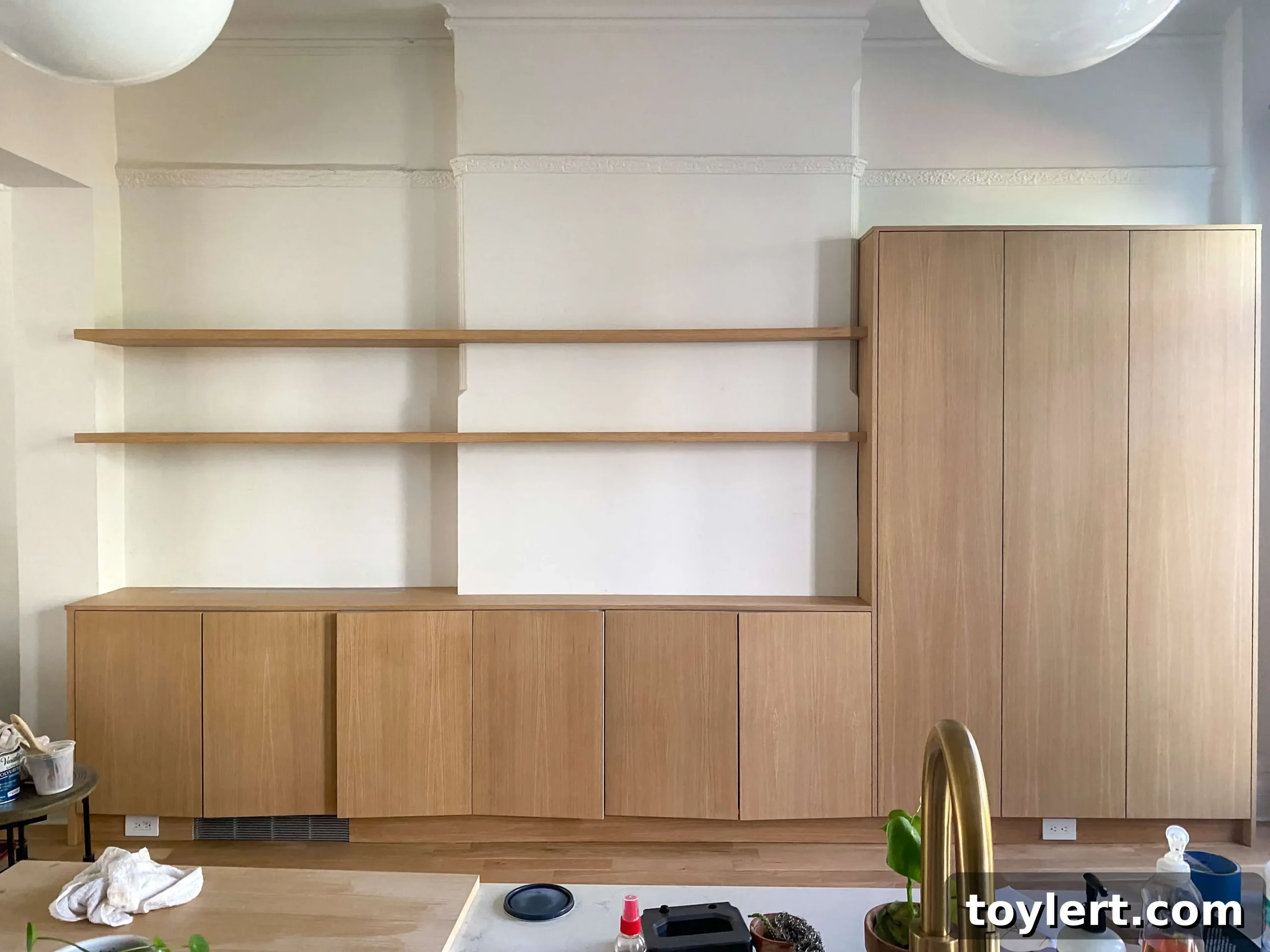
Our vision for this prominent wall had always included integrated storage – a blend of functionality and aesthetic appeal that would complement the modern yet classic feel of our brownstone kitchen. The initial instinct was to install a series of elegant cabinets that would provide much-needed pantry space, display opportunities, or even a dedicated bar area. However, the architectural nuances of an older brownstone often introduce delightful quirks alongside genuine design dilemmas. In our case, the culprit was the old fireplace bump-out. This structural protrusion, a remnant of the building’s original chimney stack, created an unwelcome interruption in what we envisioned as a seamless run of cabinetry.
The challenge was multifaceted. Simply installing two disconnected cabinet units on either side of the bump-out felt like a visually disjointed and inefficient compromise. It would disrupt the flow, create awkward gaps, and fail to maximize the storage potential of the entire wall. We were determined to avoid a piecemeal look. Instead, we sought a design that would not only provide ample storage but also ingeniously minimize the visual impact of the bump-out, ideally integrating it into a cohesive architectural statement rather than letting it stand as an isolated obstacle. More than a year after completing the main kitchen renovation, the time finally arrived for us to roll up our sleeves and tackle this formidable project, transforming a long-standing dilemma into a triumph of custom design.
Crafting the Dream: Our Comprehensive Wish List for Integrated Storage
Before diving into design specifics, we meticulously compiled a wish list, articulating our desires and requirements for this critical wall. This wasn’t merely about filling a space; it was about enhancing our home’s functionality, aesthetic appeal, and overall liveability. Our wish list served as a guiding star, ensuring the final design would meet both practical needs and aspirational goals for our Bed Stuy brownstone.
Functionality First: Maximizing Utility
- Ample Pantry Space: Our primary need was expanded storage for kitchen essentials, dry goods, and small appliances, alleviating pressure on existing kitchen cabinets. We wanted dedicated zones for organization.
- Integrated Bar Area: A designated spot for beverages, glassware, and entertaining accessories was high on our list. This would transform the space into a functional hub for gatherings.
- Display Opportunities: While hidden storage was crucial, we also desired open shelving to showcase curated decorative items, cookbooks, or cherished artwork, adding personality and warmth.
- Smart Storage Solutions: We envisioned a mix of drawers, adjustable shelves, and possibly even pull-out mechanisms to ensure every inch of space was utilized efficiently and accessibly.
- Decluttering Hub: A space that would help us maintain an organized home, reducing visual clutter and providing a dedicated “home” for various household items.
Aesthetic Aspirations: Seamless Integration and Style
- Cohesive Design: The new built-ins needed to seamlessly integrate with the existing kitchen cabinetry and the overall aesthetic of our brownstone. We aimed for a look that felt original to the house, yet offered modern functionality.
- Minimizing the Bump-Out: This was perhaps the most significant design challenge. We sought a creative solution that would either make the fireplace bump-out disappear visually or transform it into an intentional, integrated feature within the new design. It needed to feel less like an interruption and more like a deliberate architectural element.
- Enhanced Architectural Charm: Rather than detracting from the historic character of the brownstone, we hoped the custom built-ins would enhance it, perhaps by echoing existing trim work or architectural details.
- Light and Flow: The design needed to maintain a sense of openness and not overwhelm the space. Consideration for lighting, both natural and integrated, was important to keep the area bright and inviting.
- Quality Materials and Craftsmanship: Investing in custom work meant we wanted durable, high-quality materials and impeccable craftsmanship that would stand the test of time and add significant value to our home.
Problem-Solving Goals: Addressing Specific Challenges
- Avoiding Disconnected Units: As mentioned, the absolute priority was to create a unified structure, avoiding the appearance of two separate, unrelated cabinets flanking the bump-out.
- Maximizing Awkward Spaces: The irregular depth created by the bump-out presented both a challenge and an opportunity. Custom design would allow us to utilize these varying depths strategically.
- Future-Proofing: We considered our evolving needs, designing for flexibility that could accommodate different display items or storage requirements over the years.
The Journey to Bespoke Built-Ins: From Concept to Creation
Armed with our detailed wish list, the next phase involved meticulous planning and design exploration. We understood that a standard, off-the-shelf solution simply wouldn’t suffice for such a unique space. This project demanded bespoke built-ins, tailored precisely to the dimensions and architectural idiosyncrasies of our brownstone. Our approach involved several key steps, each critical to the successful realization of our vision.
Initial Design Sketches and Concepts
The process began with numerous sketches and conceptual drawings. We explored various configurations, playing with the balance of open shelving versus closed cabinetry. One idea was to build out the shallower sections on either side of the bump-out to match its depth, creating a truly flat wall for a continuous cabinet run. However, this would sacrifice valuable floor space. Another concept involved setting the cabinetry back around the bump-out, emphasizing its presence but softening its impact with integrated elements.
Ultimately, we gravitated towards a design that embraced the bump-out, using it as a central anchor. This meant building custom cabinetry that flowed around it, with varying depths that cleverly concealed its protrusion. The idea was to create a sense of deliberate architecture, where the bump-out became an integrated part of the overall composition rather than an interruption.
Consultation and Custom Fabrication
Translating these concepts into a tangible reality required the expertise of skilled artisans. We collaborated closely with custom millworkers who specialized in crafting bespoke solutions for historic homes. This partnership was invaluable. They provided insights into material choices, structural considerations, and the intricate details required to achieve a flawless finish. We discussed woods, paint finishes, hardware, and the precise measurements needed to ensure a perfect fit within our Bed Stuy home.
The fabrication process involved detailed shop drawings, which allowed us to visualize every element before construction began. This level of precision is paramount when dealing with the unique angles and aged structures of a brownstone. The millworkers meticulously crafted each component, ensuring that the custom built-ins would not only be beautiful but also structurally sound and perfectly tailored to our space.
Installation and Finishing Touches
The installation phase, while exciting, often presents its own set of challenges. Working within an older home means encountering uneven floors, walls that aren’t perfectly plumb, and other unforeseen conditions. Our experienced installers expertly navigated these hurdles, ensuring the custom cabinetry was seamlessly integrated and securely fastened. The final touches involved meticulous trim work, precise caulking, and the application of a durable, aesthetically pleasing paint finish that tied the new built-ins to the existing décor.
The transformation was dramatic. What was once a blank, somewhat awkward wall punctuated by a fireplace bump-out, became a sophisticated, highly functional, and visually appealing focal point. The custom built-ins provided the much-needed storage we craved, particularly for pantry items and a dedicated bar area, while also offering elegant display spaces. Crucially, the design successfully minimized the effect of the bump-out, making it feel like an intentional part of a grander design scheme rather than an impediment. This project, once saved for a “someday,” proved to be one of the most impactful additions to our brownstone, demonstrating the power of thoughtful design and custom solutions in historic homes.
The Enduring Appeal of Custom Built-Ins in Brownstone Living
Our experience with this project reinforces a fundamental truth about renovating historic properties like brownstones: custom solutions often yield the most satisfying and effective results. While mass-produced furniture and standard cabinetry offer convenience, they rarely provide the perfect fit or the nuanced aesthetic required for homes with unique architectural features. Custom built-ins offer an unparalleled ability to:
- Optimize Space: Every inch, no matter how awkward, can be utilized. This is crucial in urban homes where space is at a premium.
- Address Architectural Quirks: Instead of fighting against an old fireplace bump-out or an uneven wall, custom designs can embrace these features, turning potential flaws into unique design opportunities.
- Reflect Personal Style: From specific finishes to unique hardware, custom work allows for a level of personalization that truly makes a house feel like a home.
- Enhance Value: High-quality, thoughtfully designed built-ins are a significant asset, adding both functional value and aesthetic appeal that can increase a property’s market value.
- Ensure Durability: Bespoke pieces are often crafted with superior materials and construction techniques, ensuring longevity and timeless appeal.
This project was more than just adding cabinets; it was about completing a vision, solving a persistent design problem, and further imbuing our Bed Stuy brownstone with character and functionality that will serve us for years to come. It stands as a testament to the idea that even the most challenging spaces can be transformed into beautiful, practical assets with a little patience, a clear vision, and the right approach to custom design.