Transforming Clinton Hill: A New Vision for Waverly Avenue Emerges
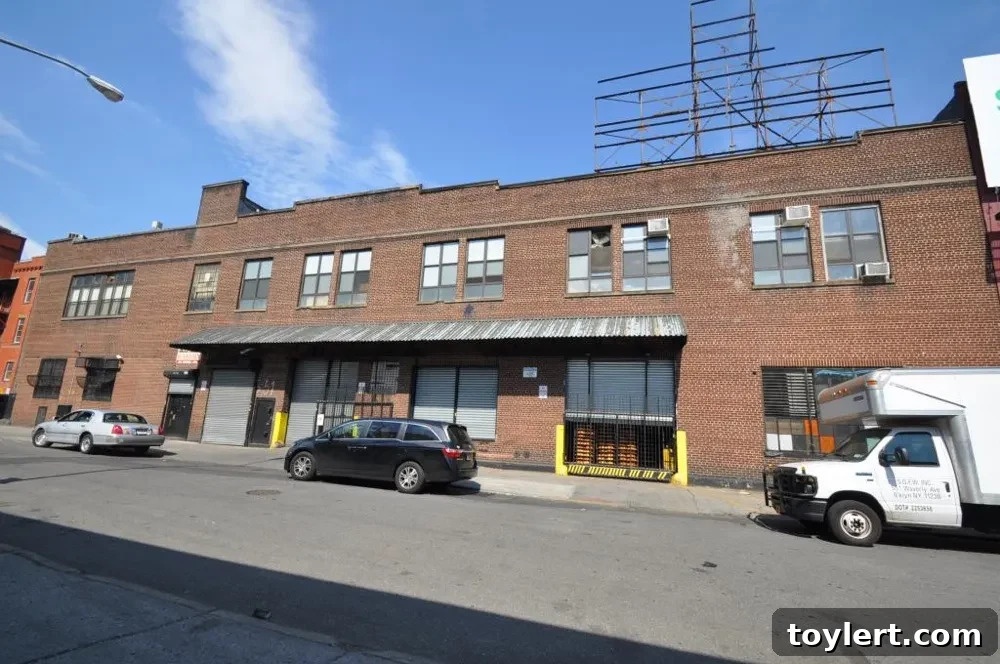
Clinton Hill, Brooklyn, a neighborhood celebrated for its historic charm, tree-lined streets, and vibrant community spirit, is on the cusp of another significant transformation. Residents and real estate watchers have keenly followed developments at 551 Waverly Avenue, anticipating the future of the site previously occupied by a commercial bakery. Now, the rumors and suspicions have been confirmed: Madison Realty Capital is forging ahead with ambitious plans to erect a five-story mixed-use building, poised to redefine a prominent stretch of this beloved Brooklyn locale. This project promises to introduce a substantial number of new rental units, including a crucial component of affordable housing, alongside ground-floor retail space designed to enhance the street-level experience for the community.
The development, whose official address will be 555 Waverly Avenue, will be a testament to modern urban planning, blending residential comfort with commercial convenience. With permits officially filed, as reported by New York YIMBY, the vision for 122 new rental apartments is now clear. A significant aspect of this development, and one that resonates deeply within New York City’s ongoing housing discourse, is the commitment that 20 percent of these units will be designated as affordable. This provision aims to help address the pressing need for diverse housing options in one of the city’s increasingly desirable, yet often inaccessible, neighborhoods.
Clinton Hill’s Enduring Appeal: A Canvas for Modern Development
Nestled between Prospect Heights and Fort Greene, Clinton Hill stands as a testament to Brooklyn’s rich architectural heritage and dynamic evolution. Its picturesque blocks, adorned with Italianate and Neo-Grec brownstones, grand mansions, and a growing number of contemporary structures, create a unique urban tapestry. The neighborhood is celebrated for its cultural institutions, independent boutiques, thriving culinary scene, and proximity to major transit hubs and green spaces like Fort Greene Park and Prospect Park. This blend of historic character and contemporary vibrancy has made Clinton Hill an attractive destination for families, young professionals, and long-time residents alike.
The continuous influx of new residents and businesses underscores the neighborhood’s robust demand for housing and amenities. Developments such as the one at 551 Waverly Avenue represent the delicate balance urban planners and developers must strike: preserving the essential character of the community while simultaneously meeting the demands of a growing population. Projects that thoughtfully integrate new housing, especially those incorporating affordable units, into existing streetscapes contribute significantly to the long-term sustainability and diversity of neighborhoods like Clinton Hill.
Unpacking the Waverly Avenue Project: Details and Design
The scope of Madison Realty Capital’s undertaking at 555 Waverly Avenue is impressive. The five-story structure is projected to encompass approximately 122,000 square feet of total space. This substantial footprint will primarily house the 122 rental apartments, offering a range of living options for future residents. The inclusion of 7,700 square feet dedicated to ground-floor retail space is particularly noteworthy. This commercial component has the potential to introduce new services, shops, or dining establishments, thereby enriching the local street life and providing convenient amenities for both building residents and the wider Clinton Hill community. Such mixed-use developments are increasingly recognized as vital for fostering vibrant, walkable neighborhoods.
A Glimpse at the Architectural Vision by HTO Architect
Entrusted with the design of this pivotal project is HTO Architect, a firm known for its contemporary approach to urban design and its commitment to creating structures that are both functional and aesthetically pleasing. While specific design renderings for 555 Waverly are yet to be widely disseminated, HTO Architect’s portfolio suggests an emphasis on modern materials, clean lines, and intelligent spatial planning. The challenge for the firm will be to craft a building that respects the historic context of Clinton Hill while introducing a fresh, contemporary aesthetic. Considerations for natural light, efficient layouts, and potentially sustainable building practices are likely to be at the forefront of their design philosophy, ensuring the new structure adds value to its surroundings both visually and environmentally.
Madison Realty Capital’s Strategic Investment in Brooklyn
Madison Realty Capital is a prominent name in New York City’s real estate development and investment landscape. With a track record of acquiring, developing, and lending across various property types, the firm has demonstrated a strategic focus on dynamic urban markets, particularly within Brooklyn. Their investment in 551 Waverly Avenue aligns with a broader trend of sophisticated developers identifying opportunities in thriving neighborhoods that exhibit strong residential demand and potential for retail growth. Their approach often involves transforming underutilized commercial or industrial sites into modern residential and mixed-use properties, a strategy that plays a crucial role in the ongoing evolution of the urban fabric. This project underscores their confidence in Clinton Hill’s enduring appeal and its capacity for thoughtfully conceived new developments.
Addressing Brooklyn’s Housing Needs: The Affordable Component
The commitment to designate 20 percent of the 122 units as affordable housing is a significant aspect of the 555 Waverly Avenue project. In a city where housing affordability remains a critical challenge, such provisions are instrumental in creating more inclusive communities. “Affordable housing” in New York City typically refers to units whose rents are set based on a percentage of the Area Median Income (AMI), ensuring they are accessible to households within specific income brackets. These programs are designed to provide stable housing options for individuals and families who might otherwise be priced out of neighborhoods experiencing rapid growth and rising market rents.
The inclusion of affordable units in new market-rate developments like this one is often facilitated through various city and state programs, reflecting a concerted effort to foster economic diversity and prevent displacement. For Clinton Hill, this component means that a segment of the new residents will come from different income levels, contributing to the social and economic richness of the area. It’s a vital step towards ensuring that the benefits of neighborhood revitalization are shared broadly, rather than being confined to those who can afford premium market rates.
Beyond Bricks and Mortar: The Impact on the Clinton Hill Community
Any new development of this scale inevitably sparks discussion about its potential impact on the existing community. For 555 Waverly Avenue, the conversation centers around both the perceived benefits and potential challenges.
Economic and Social Benefits
The introduction of 122 new households will bring a fresh wave of residents, potentially invigorating local businesses and contributing to the neighborhood’s economic vitality. The 7,700 square feet of retail space holds the promise of new employment opportunities and convenient amenities for the community. Whether it becomes home to a much-needed grocery store, a vibrant cafe, or unique boutique shops, this commercial addition could enhance the walkability and self-sufficiency of the area. Furthermore, the increased housing supply, particularly with the affordable component, can help alleviate some of the pressure on Brooklyn’s competitive rental market, offering more options for a diverse array of residents.
Navigating Urban Evolution: Challenges and Considerations
While the benefits are clear, new developments also bring considerations. Concerns about gentrification, potential strain on existing infrastructure (such as schools, public transit, and parking), and changes to the neighborhood’s unique character are common. For Clinton Hill, a community proud of its distinct identity, integrating a new, modern five-story building into an often historic streetscape requires careful thought and community dialogue. The hope is that the design by HTO Architect will seamlessly blend with its surroundings, and that Madison Realty Capital will engage with local stakeholders to ensure the project contributes positively to the area’s long-term well-being, mitigating potential negative impacts.
The Evolving Brooklyn Real Estate Landscape
The 555 Waverly Avenue project is indicative of broader trends within the Brooklyn real estate market. Demand for rental properties, especially in highly desirable neighborhoods like Clinton Hill, remains exceptionally strong. Factors such as a robust job market, cultural attractions, and improved transportation links continue to draw people to Brooklyn from across the city and beyond. Developers are responding to this demand by transforming underutilized parcels into residential hubs, recognizing the enduring appeal of urban living with access to vibrant community life. Clinton Hill, with its blend of historic charm and modern amenities, is perfectly positioned within this evolving landscape, making it a prime location for carefully considered new developments that enhance its residential offerings.
A Forward Look: What’s Next for Waverly Avenue?
As Madison Realty Capital moves forward with the five-story mixed-use development at 555 Waverly Avenue, Clinton Hill prepares for a new chapter in its ongoing story. The transition from a commercial bakery to a modern residential and retail complex signifies more than just a change in building use; it represents the dynamic nature of urban renewal and the continuous adaptation of city spaces to meet contemporary needs. With 122 new rental units, including a vital affordable housing component, and a substantial retail presence, this project is poised to become a significant landmark for the neighborhood.
The community’s engagement with such projects is crucial. As the building rises, it will be interesting to observe how its architectural presence integrates into the fabric of Waverly Avenue and what new businesses will ultimately occupy the ground-floor retail spaces. This development, designed by HTO Architect and brought to life by Madison Realty Capital, is not just a collection of bricks and mortar; it’s a new piece of Clinton Hill’s identity, a fresh opportunity for growth, and a new home for many.
What are your thoughts on this significant transformation coming to Waverly Avenue? How do you envision this new building contributing to the vibrant tapestry of Clinton Hill?