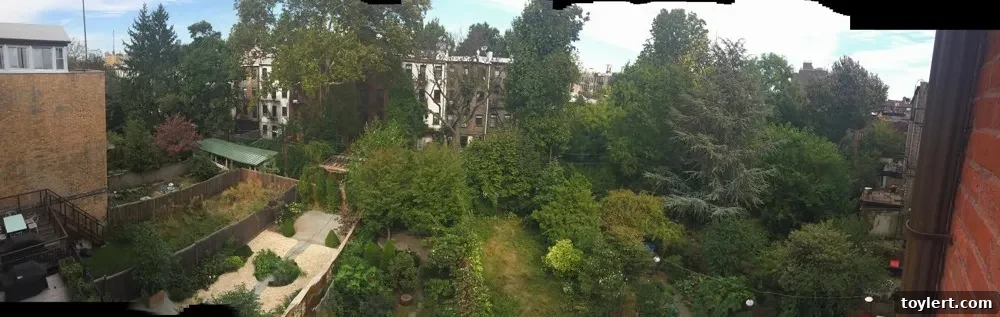
Prospect Heights Community Unites to Protect Historic ‘Green Doughnut’ from Encroaching Development
In the heart of one of Brooklyn’s most cherished historic districts, a battle is brewing. Residents of a landmarked block in Prospect Heights are rallying with unwavering determination to safeguard their unique interior green space, affectionately dubbed the “green doughnut.” This communal urban oasis, a defining feature of their neighborhood’s character, faces an existential threat from a proposed extension at 203 Prospect Place. The community’s organized opposition underscores a deep commitment to preserving not just a patch of greenery, but the very essence of their historic urban environment, including vital light and air, and the aesthetic integrity of their beloved block.
With over 70 signatures already gathered on a petition, neighbors are making their voices heard against the planned two-story tiered extension. This significant structure, projected to measure approximately 21 feet deep by 20 feet wide at its most expansive points, poses a direct and immediate challenge to the delicate balance of their landmarked streetscape. The collective action highlights a powerful sentiment: that the historical and ecological value of their shared green space far outweighs the perceived benefits of additional private development that would intrude upon it.
The Uniqueness of the ‘Green Doughnut’: A Beacon of Urban Greenery
The term “green doughnut” may sound whimsical, but it precisely describes a unique and valuable feature of certain historic urban areas, particularly within Brooklyn’s brownstone neighborhoods. It refers to the collective, shared interior garden core formed by the backyards of multiple properties on a block. Instead of individual, isolated plots, these backyards often merge or are designed to create a continuous, verdant expanse, offering a rare glimpse of nature amidst the dense urban fabric. These “doughnuts” are not merely aesthetic amenities; they function as crucial ecological corridors, miniature urban forests that support local biodiversity, improve air quality, and provide a tranquil retreat for residents.
Historically, many of these shared green spaces emerged from thoughtful urban planning in the 19th and early 20th centuries, when developers recognized the importance of integrating natural elements into city living. They represent a foresight that prioritized quality of life and community well-being, creating a harmonious blend of architectural grandeur and natural serenity. In a landmarked district like Prospect Heights, such green doughnuts are considered integral to the block’s historic character, offering a visual and environmental continuity that contributes significantly to its protected status and unique charm.
The Proposed Extension at 203 Prospect Place: A Threat to Light, Views, and History
The proposed two-story tiered extension at 203 Prospect Place presents a formidable challenge to this cherished green doughnut. According to concerned residents, the planned structure would protrude significantly into the historic garden core, casting a long shadow, both literally and figuratively, over neighboring properties. This intrusion is not merely an aesthetic concern; it directly impacts the fundamental rights of residents to light and air, which are paramount in dense urban environments.
“The addition would jut out into the historic ‘garden core’ and block light and views from neighboring properties,” voiced one of the neighborhood’s diligent tipsters. This sentiment encapsulates the core of the community’s objection. Loss of natural light can have profound effects on residents’ well-being, diminishing the quality of life and potentially affecting property values. Furthermore, the obstruction of scenic views — a privilege often associated with historic brownstone living — erodes the very appeal that draws many to these neighborhoods. The tiered design, while perhaps an attempt to mitigate its impact, is still seen as an aggressive encroachment that disrespects the established urban planning principles and the landmarked character of the block.
A Community Mobilizes: The Fight for Preservation
The residents of this landmarked Prospect Heights block have not stood idly by. Their swift and organized response demonstrates a powerful commitment to community and preservation. The collection of over 70 signatures on a petition is just one facet of their multi-pronged approach. This collective action goes beyond mere objection; it’s a proactive assertion of their desire to protect a shared heritage and a sustainable future.
Community meetings have likely been held, fostering discussion, strategizing, and strengthening neighborhood bonds. Residents are engaging with local elected officials, community boards, and most critically, the Landmarks Preservation Commission (LPC). The LPC plays a vital role in safeguarding New York City’s architectural, historical, and cultural heritage, and its approval is essential for any alterations to landmarked properties. The residents’ arguments will center on how the proposed extension violates the spirit and letter of landmark regulations by disrupting the historic garden core and compromising the block’s unique character.
This activism reflects a broader trend in urban preservation, where communities are increasingly empowered to challenge developments that threaten their quality of life and the integrity of their historic surroundings. It’s a testament to the power of collective voice and the deep attachment residents feel to their unique urban landscapes.
Understanding Landmarked Districts and the Role of the LPC
For a block to be designated as “landmarked” by the Landmarks Preservation Commission (LPC) means it possesses historical, cultural, or architectural significance worthy of protection. Such designations are not merely honorary; they come with stringent regulations designed to preserve the district’s distinctive character. Property owners within landmarked districts must seek LPC approval for any exterior modifications, including additions, alterations, or demolitions, to ensure changes are harmonious with the existing historic fabric.
In the case of Prospect Heights, the landmarked status extends beyond the facades of individual buildings to encompass the overall streetscape and, crucially, elements like the “green doughnut.” This shared interior space is often considered an integral component of the district’s historical design and aesthetic appeal. The LPC’s role is to weigh proposed changes against established preservation guidelines, considering factors such as visual impact, historical context, and the maintenance of neighborhood character. The community’s petition and detailed arguments will be critical in guiding the LPC’s decision-making process, emphasizing how the proposed extension at 203 Prospect Place would fundamentally undermine the very qualities the landmark designation aims to protect.
The Broader Significance: Urban Green Spaces and Sustainable Development
The struggle in Prospect Heights resonates far beyond this single block. It highlights the increasingly critical issue of preserving urban green spaces in rapidly developing cities. Interior green spaces like the “green doughnut” offer numerous benefits that contribute to a higher quality of urban life:
- Ecological Value: They serve as mini-ecosystems, supporting pollinators, birds, and local flora, contributing to urban biodiversity. They also act as natural filters, improving air quality and mitigating the urban heat island effect.
- Environmental Resilience: Green spaces absorb stormwater runoff, reducing strain on municipal drainage systems and helping to prevent localized flooding, a critical concern in coastal cities like New York.
- Community Well-being: Access to green views and quiet spaces is proven to reduce stress, improve mental health, and foster a stronger sense of community among residents. These spaces provide areas for relaxation, contemplation, and casual social interaction.
- Property Value: The presence of well-maintained green spaces significantly enhances the desirability and value of surrounding properties, acting as a valuable amenity for residents.
- Historic Integrity: In landmarked districts, these green spaces are inseparable from the historical narrative and architectural grandeur of the area, providing crucial context and maintaining the original urban vision.
This case therefore becomes a microcosm of the broader challenge facing urban planners and communities worldwide: how to balance the pressures of growth and development with the imperative of preserving heritage, promoting sustainability, and ensuring a high quality of life for urban dwellers. The outcome of the 203 Prospect Place dispute could set an important precedent for future development proposals in similar landmarked districts, underscoring the vital role of community input in shaping the future of our cities.
Conclusion: A Fight for the Soul of Prospect Heights
The fight to protect the “green doughnut” at 203 Prospect Place is more than just a dispute over property lines; it’s a battle for the soul of Prospect Heights. It represents the ongoing tension between individual property rights and the collective interest in preserving communal assets, historic character, and environmental quality. The passionate efforts of the neighbors, evidenced by their significant petition and continued advocacy, demonstrate a deep commitment to maintaining the unique charm and livability of their landmarked block.
As the community awaits the decision from the Landmarks Preservation Commission, their collective voice serves as a powerful reminder that urban development must always consider its broader impact. Preserving these invaluable interior green spaces ensures that future generations can also enjoy the light, views, and historic tranquility that define Prospect Heights. The outcome of this case will undoubtedly shape not only the future of this specific green doughnut but also the ongoing dialogue about sustainable urban development and community-led preservation efforts across Brooklyn and beyond.