Brooklyn’s Dynamic Landscape: A Nexus of Development, Community, and Culture
Brooklyn, a borough celebrated for its vibrant culture, diverse communities, and historical charm, is continuously evolving. From the picturesque brownstones of Boerum Hill to the artistic warehouses of Williamsburg and the serene greenery of its botanical gardens, Brooklyn encapsulates a unique blend of urban dynamism and neighborhood intimacy. This constant flux is particularly evident in its real estate market, urban development initiatives, and the passionate engagement of its residents in shaping their environment. The narrative of Brooklyn is one of perpetual transformation, where modern aspirations often intersect with the rich tapestry of its past, creating a fascinating urban laboratory for contemporary living.
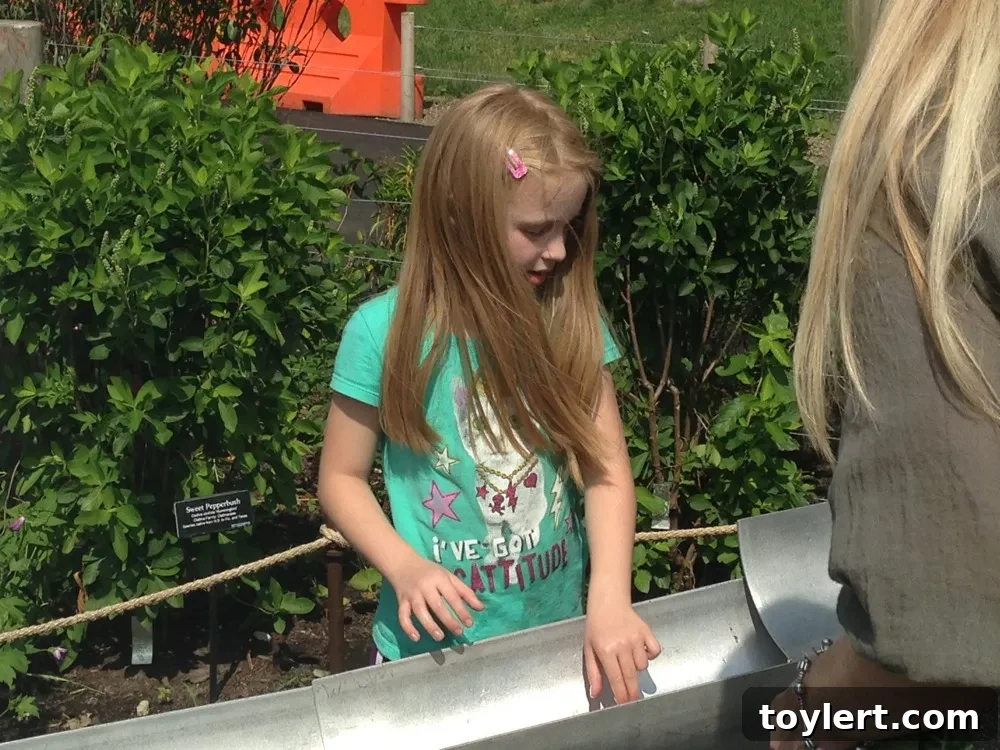
The image above captures a moment of joy and discovery in the Children’s Discovery Garden at the Brooklyn Botanic Garden – a testament to the borough’s dedication to green spaces, education, and fostering a connection with nature amidst its bustling cityscape. Such serene havens are vital counterpoints to the relentless pace of urban development that defines much of Brooklyn’s recent history.
The Evolving Real Estate and Development Scene in Brooklyn
Brooklyn’s real estate market has long been a focal point of discussion, characterized by rapid growth, shifting demographics, and ambitious development projects. The borough remains a prime destination for residents and investors alike, leading to a dynamic landscape where new constructions frequently reshape skylines and neighborhood identities. Understanding these trends is crucial to grasping the future trajectory of this iconic New York City borough.
Luxury Living Meets Urban Charm: New Housing Paradigms
Developers are continually seeking to innovate within Brooklyn’s competitive housing market, often blending modern luxury with the borough’s intrinsic urban appeal. Projects like Adam America’s suburban-style townhouses on Bond Street exemplify this trend, aiming to offer sophisticated, high-end living options that cater to a discerning clientele. These developments often introduce contemporary architectural designs and amenities, influencing the aesthetic and character of established neighborhoods. The appeal of Brooklyn lies not just in its proximity to Manhattan but in its unique community feel, which developers attempt to integrate into new residential offerings, even when they lean towards a more suburban comfort within an urban setting.
Similarly, the continuous demand for diverse housing options leads to the revitalization of older structures and the construction of entirely new ones. Permits being filed for significant unit counts, such as the 64 units at 1704 Ocean Avenue in Midwood, highlight the ongoing expansion of residential capacity across various Brooklyn neighborhoods. These projects are critical for accommodating the borough’s growing population, but they also bring conversations about infrastructure, density, and the evolving socio-economic fabric of these areas to the forefront.
Navigating the Rental Market: Challenges and Opportunities
The rental market in Brooklyn, particularly in sought-after areas like Williamsburg, presents its own set of complexities. Properties like 385 Union have, in the past, faced challenges that underline the importance of transparent management and responsive landlord-tenant relations. The borough’s rental landscape is highly competitive, driven by constant demand from young professionals, families, and individuals seeking the unique lifestyle Brooklyn offers. Developers and property managers are continuously working to create appealing, well-managed rental units, learning from past issues to build trust and foster stable communities. The goal is often to provide modern amenities and convenient access to public transport, cultural hubs, and green spaces, making these residences highly attractive despite fluctuating market conditions.
Iconic Conversions: From Industrial to Residential
Brooklyn’s rich industrial past provides fertile ground for innovative conversions, transforming historic buildings into modern residential spaces. The groundbreaking “Housing for Hipsters” developer’s large Himrod Street Glassworks conversion is a prime example of this adaptive reuse. These projects often preserve the architectural integrity and industrial charm of original structures while introducing contemporary living amenities. Such conversions are not just about creating new homes; they are about weaving the borough’s history into its present, offering unique living experiences that resonate with Brooklyn’s creative and entrepreneurial spirit. They represent a sustainable approach to urban development, minimizing demolition and maximizing the potential of existing infrastructure.
Community Engagement and Urban Planning: Shaping Brooklyn’s Future
Beyond the bricks and mortar, Brooklyn’s future is actively shaped by its communities and the decisions made through urban planning. Residents, local councils, and advocacy groups play a pivotal role in negotiating the balance between progress and preservation, ensuring that development serves the best interests of the borough’s diverse population.
Preservation vs. Progress: The Ongoing Debate
The tension between urban development and historic preservation is a recurring theme in Brooklyn. The impending vanishing of Boerum Hill’s Church of the Redeemer, as highlighted by a report from the WSJ, brings to the forefront the difficult choices faced by communities and developers. While new construction offers economic benefits and housing solutions, the loss of historic landmarks can erase invaluable parts of a neighborhood’s identity and cultural heritage. This leads to passionate advocacy from residents who strive to protect the architectural and social fabric of their communities. Similarly, the debate surrounding the redevelopment of the Brooklyn Heights Library, with Councilman Levin expressing reservations, underscores the critical need for public input and transparent processes when public assets are involved. Residents often voice concerns about the potential loss of public space, the type of development proposed, and the implications for community services.
Affordable Housing: A Critical Imperative
Addressing the affordable housing crisis remains one of Brooklyn’s most pressing challenges. Tracking large developments and affordable housing initiatives in areas like Crown Heights reveals the complexities involved in creating equitable living opportunities. As property values soar, ensuring that a diverse range of income levels can continue to live and thrive in Brooklyn is paramount. Developers, often in partnership with city agencies, are tasked with integrating affordable units into new projects, but the demand far outstrips supply. Community groups actively advocate for policies that prioritize truly affordable options, preventing displacement and preserving the socio-economic diversity that defines the borough.
Green Initiatives and Local Concerns
Community concerns extend beyond housing to environmental and quality-of-life issues. Residents in Greenpoint, for instance, have raised issues regarding composting facilities, highlighting the practical challenges of urban waste management and the impact of public services on daily life. These local environmental concerns demonstrate the active role residents play in monitoring and influencing their surroundings, advocating for solutions that balance sustainability with neighborhood liveability. Effective urban planning must therefore incorporate robust feedback mechanisms and adaptable strategies to address such localized impacts, fostering a healthier and more sustainable urban environment for all.
Public Art and Urban Aesthetics
Beyond grand architectural statements, the aesthetic appeal of Brooklyn is also shaped by its vibrant public art scene. Initiatives to spruce up construction sites with murals, as reported by the NY Times, illustrate a creative approach to mitigating the visual impact of ongoing development. Public art transforms mundane or unsightly spaces into canvases for expression, contributing to the cultural richness and visual appeal of neighborhoods. These murals often reflect local history, community values, or contemporary artistic movements, turning temporary construction barriers into engaging public galleries that enhance the pedestrian experience and reinforce a sense of place.
A Glimpse into Brooklyn’s Ongoing Narrative
Brooklyn’s story is one of continuous evolution, marked by innovative development, spirited community engagement, and a deep appreciation for its cultural heritage. The borough serves as a microcosm of urban life, grappling with issues of growth, affordability, environmental sustainability, and the preservation of its unique identity. As new buildings rise and communities voice their aspirations, Brooklyn remains a testament to the enduring human spirit of creativity, resilience, and collective endeavor.
The news items that frequently emerge from Brooklyn often reflect these overarching themes, offering snapshots of its dynamic pulse:
- Enhancing Urban Landscapes: 10 Murals in Brooklyn to Spruce up Construction Sites [NY Times]
- Adam America’s Vision: Suburban Style Bond Street Townhouses Nearing Sales Launch [NY Times]
- Historic Loss: Boerum Hill’s Church of the Redeemer Is About to Vanish [WSJ]
- Revitalizing Rentals: Williamsburg’s 385 Union Returns, Aiming to Overcome Past Issues [Curbed]
- Community Concerns: Greenpoint Residents Address Composting Odors in the Neighborhood [Gothamist]
- Public Assets Under Scrutiny: Councilman Levin Expresses Doubts on Brooklyn Heights Library Redevelopment [CapitalNY]
- Future Retail Hub: Developer Secures Loan for Plans to Build on Empty Smith Street Lot [CO]
- Growth and Equity: Tracking Large Developments and Affordable Housing in Crown Heights [NYY]
- Midwood Expansion: Permits Filed for 64 Units at 1704 Ocean Avenue [NYY]
- Governance Issues: Williamsburg Co-op Board Under Investigation for Alleged “Mistreated Money” [DNA]
- Adaptive Reuse: “Housing for Hipsters” Developer Breaks Ground on Himrod Street Glassworks Conversion [DNA]