Welcome to School Week here on Brownstoner. Throughout this special series, we delve into school-themed narratives, celebrating the enduring spirit of education as a new academic year commences. Join us as we explore the rich history and architectural grandeur that define Brooklyn’s educational landscape.
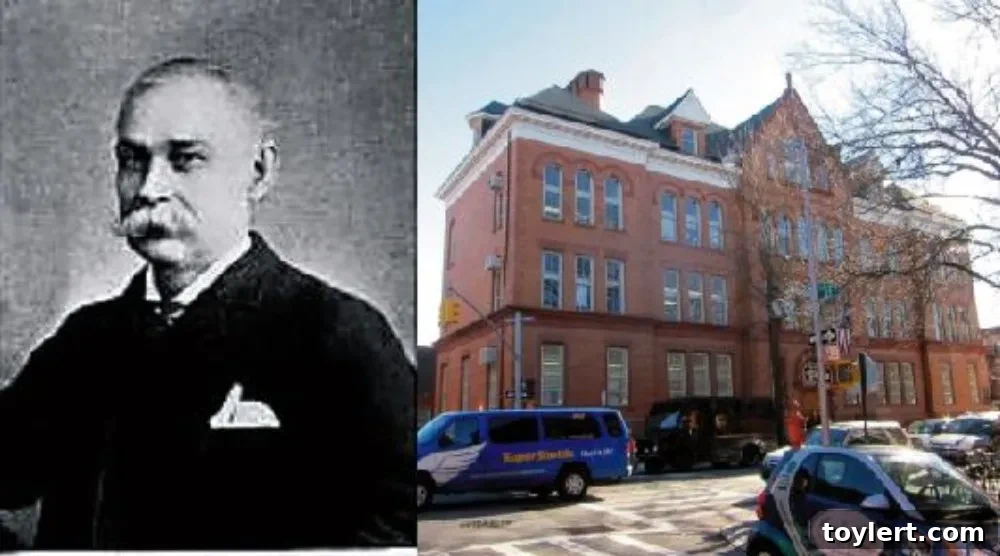
The Enduring Legacy: Uncovering Brooklyn’s Iconic School Architecture Through James W. Naughton’s Vision
Brooklyn, a borough renowned for its distinctive brownstones and vibrant neighborhoods, also boasts an impressive collection of historic school buildings that stand as testaments to its commitment to public education. These monumental structures, often overlooked in daily commutes, are not merely places of learning but architectural masterpieces, many of which owe their existence to the visionary leadership of one man: James W. Naughton. As the Superintendent of Buildings for the Board of Education in the late 19th and early 20th centuries, Naughton didn’t just oversee construction; he masterfully designed and shaped an entire generation of educational facilities that continue to serve the community today.
This deep dive into Brooklyn’s architectural heritage reveals the story behind some of the borough’s most beautiful school buildings and the remarkable individual whose designs transformed the urban educational experience. From grand facades to thoughtfully planned interiors, Naughton’s schools embody a period of rapid growth and ambitious educational reform in Brooklyn, reflecting an era when public architecture was considered a civic duty and a source of community pride.
James W. Naughton: The Architect Who Built Brooklyn’s Educational Foundation
Born in 1840, James W. Naughton’s career coincided with a period of explosive population growth in Brooklyn. As the city expanded and consolidated with New York, the demand for new schools became immense. Appointed Superintendent of Buildings for the Board of Education in 1877, Naughton was tasked with an extraordinary challenge: designing and constructing hundreds of schools to accommodate the burgeoning student population. His tenure, lasting until 1900, marked a golden age for school architecture in Brooklyn, leaving an indelible mark on the borough’s urban fabric.
Naughton was not merely an administrator; he was a highly skilled architect with a profound understanding of both design principles and practical educational needs. He envisioned school buildings as more than just utilitarian structures; they were to be symbols of community aspiration, providing inspiring environments conducive to learning and personal growth. His designs consistently prioritized ample natural light, effective ventilation, and robust construction, creating spaces that were both aesthetically pleasing and exceptionally functional for generations of students and educators.
The Architectural Grandeur: Style and Innovation in Naughton’s Designs
The buildings designed by James W. Naughton are instantly recognizable for their distinctive architectural style, often drawing inspiration from the Romanesque Revival and Neo-Gothic movements prevalent in his time. These styles lent themselves well to the gravitas and permanence Naughton aimed to convey for public institutions. Red brick was his material of choice, often combined with intricate terra cotta detailing, limestone accents, and robust brownstone foundations, creating a rich visual texture and a sense of enduring quality.
A hallmark of Naughton’s designs is their impressive scale and commanding presence. Many feature large, arched windows that flood classrooms with natural light, reflecting an early understanding of the importance of bright, airy learning environments. Steeply pitched roofs, turrets, elaborate cornices, and decorative chimneys further enhance their stately appearance, making them stand out as significant civic landmarks within their neighborhoods. Entrances were often grand, featuring carved stone details, welcoming students into an atmosphere of dignity and learning.
Beyond aesthetics, Naughton’s designs were also incredibly innovative for their time. He pioneered efficient classroom layouts, often incorporating central assembly halls that could serve multiple functions – from school gatherings to community events. His schools were designed with safety and health in mind, featuring advanced (for the era) heating and ventilation systems, wide staircases to prevent congestion, and separate entrances for boys and girls, a common practice reflecting the social norms of the late 19th century. The sheer durability of his construction methods is evident today, with many of his original buildings still standing strong and actively serving as schools or community centers.
Key Characteristics of James W. Naughton’s School Architecture:
- Robust Materials: Predominantly red brick, often accented with terra cotta, brownstone, and limestone for durability and aesthetic appeal.
- Grand Scale: Imposing structures that reflect the importance of public education and serve as neighborhood anchors.
- Ample Natural Light: Large, often arched windows designed to maximize daylight penetration into classrooms.
- Efficient Layouts: Thoughtful planning for classrooms, assembly halls, and circulation spaces to optimize learning and safety.
- Distinctive Styles: Blending elements of Romanesque Revival and Neo-Gothic architecture, characterized by intricate detailing and strong geometric forms.
- Ventilation and Health: Early consideration for air quality and student well-being, integrated into the building’s design.
Brooklyn’s Architectural Treasures: Notable Examples of Naughton’s Work
While a comprehensive list of all Naughton’s schools would be extensive, several stand out as prime examples of his architectural prowess. Buildings like the former Public School 10 (now PS 10 Magnet School of Math, Science & Design) in Prospect Park West, or Public School 9 (now Public School 9 Teunis G. Bergen) in Prospect Heights, showcase his signature style. These multi-story structures, often featuring ornate brickwork, impressive bell towers, and generous playgrounds, became community hubs, designed not just for education but for fostering a sense of civic pride.
Another striking example is Public School 39 (The Henry Bristow School) in Park Slope, with its distinctive corner tower and rich brick detailing, or Public School 3 (The Bedford Village School) in Bedford-Stuyvesant, which perfectly illustrates his use of Romanesque arches and intricate decorative elements. Each building, while bearing Naughton’s stylistic hallmarks, also possesses unique characteristics, demonstrating his adaptability and attention to the specific urban context of each site. These schools were more than just classrooms; they were statements about Brooklyn’s progressive vision for its children and its future.
Many of Naughton’s designs predated the widespread use of steel frames in school construction, meaning these buildings relied heavily on load-bearing masonry, a testament to the skilled craftsmanship and engineering of the era. The thick walls and solid construction ensured longevity, a quality that continues to impress contemporary architects and preservationists.
The Enduring Impact and Legacy Today
James W. Naughton’s architectural legacy in Brooklyn is profound and enduring. His schools, many of which are now over a century old, continue to educate new generations of Brooklynites. They have adapted over time, some undergoing renovations to meet modern educational standards while carefully preserving their historic integrity. These buildings are not just relics of the past; they are living testaments to an era when public education was a monumental endeavor, deserving of the grandest and most thoughtful architectural expression.
Beyond their practical use, Naughton’s schools contribute significantly to the aesthetic character of Brooklyn’s neighborhoods. They provide a sense of history and permanence in a constantly evolving urban environment, reminding residents of the borough’s rich past and its foundational values. Preservation efforts for these historic school buildings are crucial, ensuring that their beauty and functionality can be appreciated and utilized for many more decades.
The story of James W. Naughton and his exceptional school buildings serves as an inspiring reminder of the power of architecture to shape communities and enrich lives. His vision, dedication, and architectural prowess laid the groundwork for Brooklyn’s educational infrastructure, creating a collection of public buildings that remain among the most significant and beloved architectural treasures of the borough. As we celebrate School Week, we honor not only the start of a new academic journey but also the magnificent structures that house these vital institutions, standing strong thanks to the foresight of individuals like James W. Naughton.