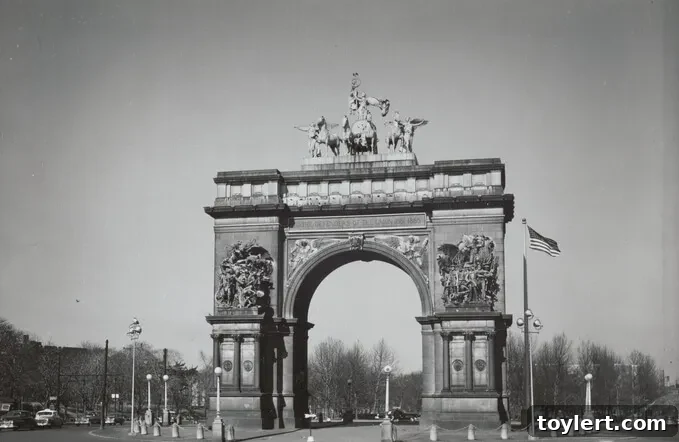
Engaging with New York City’s Rich Heritage: The NYPAP Coffee Break Conversations
New York City, a metropolis famed for its dynamic energy and relentless evolution, also boasts an unparalleled architectural tapestry, a living testament to centuries of human endeavor and artistic vision. From iconic skyscrapers to charming brownstones, every street corner tells a story. To truly appreciate the layers of history embedded within this urban landscape, it’s essential to understand the people, places, and architectural styles that have defined its character over time. This quest for understanding and preservation is at the heart of the New York Preservation Archive Project (NYPAP), an organization passionately dedicated to safeguarding the narrative of historic preservation in the city.
NYPAP has recently launched an innovative series of virtual programs designed to bring expert insights directly to enthusiasts and concerned citizens alike. These “Coffee Break Conversations” offer a unique opportunity to join leading voices in the field for engaging discussions about the critical importance of documenting, preserving, and celebrating New York City’s invaluable architectural and cultural heritage. These accessible online sessions underscore NYPAP’s commitment to fostering a broader appreciation for the city’s past and informing its future.
The New York Preservation Archive Project (NYPAP): Guardians of History
The New York Preservation Archive Project (NYPAP) stands as a vital institution in the ongoing effort to understand and protect the historical fabric of one of the world’s greatest cities. Its mission is clear and profound: to document, preserve, and celebrate the history of historic preservation in New York City. This involves collecting oral histories, archival materials, and records from individuals and organizations that have shaped preservation efforts over decades. By doing so, NYPAP ensures that the struggles, successes, and methodologies of past preservationists are not lost but remain accessible for future generations of urban planners, historians, architects, and engaged citizens.
In a city where the past is constantly challenged by the pressures of development and change, NYPAP’s work is more crucial than ever. It provides a crucial institutional memory, reminding us of the battles fought and won, the styles championed, and the visionaries who laid the groundwork for the preservation laws and practices we benefit from today. The “Coffee Break Conversations” series exemplifies NYPAP’s commitment to making this rich history engaging and accessible. By leveraging virtual platforms, they are able to connect a wider audience with the experts who can illuminate the complexities and fascinations of urban preservation, bridging geographical barriers and making intellectual discourse a simple click away.
Spotlight on a Pioneer: Henry Hope Reed and the Dawn of Preservation Advocacy
One of NYPAP’s recent “Coffee Break Conversations” shone a light on a truly seminal figure in New York City’s preservation movement: Henry Hope Reed. The session featured an insightful dialogue between architectural historian Francis Morrone and NYPAP Executive Director Brad Vogel, exploring Reed’s enduring legacy as the pioneer of New York City walking tours and a fierce advocate for classical architecture. Reed’s work predated much of the formal preservation legislation we now take for granted, making his efforts even more remarkable and impactful.
Who Was Henry Hope Reed? A Visionary’s Legacy
Henry Hope Reed (1915-2006) was not just an architectural historian; he was a passionate evangelist for the classical tradition and a relentless champion for the preservation of New York City’s built environment. Born into a prominent family with a deep appreciation for culture, Reed developed an early and profound love for classical architecture. He saw it not merely as a historical style but as a timeless language of design that embodies order, proportion, and beauty, principles he believed were essential to civic life and human well-being. At a time when modernism was rapidly gaining ascendancy and many historic structures were being razed for new developments, Reed stood as a staunch defender of the classical heritage. He was deeply concerned that New York City was losing its soul, one ornate facade and well-proportioned public space at a time.
Reed’s approach to preservation advocacy was revolutionary for its time. Rather than relying solely on academic treatises or lobbying efforts (though he engaged in those too), he recognized the power of direct public engagement. He understood that people would only fight to save what they loved and understood. To foster this love and understanding, he embarked on what would become his most famous contribution: the New York City walking tour. These tours were not mere strolls; they were immersive educational experiences, designed to open people’s eyes to the beauty and significance of the buildings they walked past every day. He believed that direct experience was the most potent form of education, transforming passive observers into active participants in the city’s narrative.
Advocacy Through Education: Reed’s Innovative Methods
Reed’s dedication to classical architecture and preservation manifested in multiple innovative ways. Beyond his pioneering walking tours, he utilized exhibitions and lectures as powerful tools for advocacy. He was a gifted communicator, able to articulate the value of classical forms and their historical context in an accessible and engaging manner. His tours often drew large crowds, as he would guide participants through the streets of Manhattan, pointing out intricate details of cornices, column capitals, and facade compositions, explaining their origins and their place in the city’s story. He would vividly recount tales of the architects, builders, and patrons behind these structures, making history come alive.
One of Reed’s most significant curatorial achievements was the exhibition “Classical Brooklyn,” which he organized with the Municipal Art Society in 1957. Hosted at the Brooklyn Historical Society (then known as the Long Island Historical Society), this groundbreaking show highlighted the rich classical architectural heritage of Brooklyn, challenging the then-prevailing notion that Brooklyn was merely a collection of working-class neighborhoods devoid of significant aesthetic merit. The exhibition served as a powerful reminder of the borough’s grand past, featuring photographs, drawings, and artifacts that showcased its elegant brownstones, stately public buildings, and beautifully designed parks. Such initiatives were crucial in raising public awareness about the inherent value of New York’s built environment at a time when formal preservation laws were still largely absent. Reed’s efforts laid essential intellectual and emotional groundwork, galvanizing public opinion and fostering a sense of civic responsibility for the city’s architectural treasures long before legislation caught up.
The Enduring Importance of Classical Architecture in New York City
Henry Hope Reed’s passion for classical architecture was not just an academic interest; it was a profound conviction that these timeless styles offered enduring lessons in beauty, order, and human scale. Classical architecture, derived from ancient Greek and Roman precedents, is characterized by symmetry, proportion, and specific architectural orders (Doric, Ionic, Corinthian). These elements are not abstract but are deeply rooted in principles of visual harmony and structural integrity.
New York City, despite its reputation as a hub of modernity, is rich with classical influences. Think of the majestic columns of the New York Public Library, the grandeur of Grand Central Terminal, the stately presence of federal courthouses, or even the elegant brownstones and townhouses that line historic districts, many of which incorporate classical details in their facades, doorways, and cornices. These buildings represent an era when civic pride and a sense of permanence were often expressed through classical forms, conveying stability, dignity, and a connection to a long lineage of architectural achievement. Reed argued that these structures contributed to the city’s identity, providing a sense of gravitas and beauty that nourished the human spirit.
Preserving classical architecture is not about clinging to the past for its own sake, but about recognizing the enduring value of these aesthetic and structural principles. It’s about maintaining a tangible link to the city’s historical development and celebrating the craftsmanship and artistic intent of previous generations. Reed understood that a city that neglects its architectural heritage risks losing its memory and, with it, a vital part of its soul. He fought fiercely against the demolition of classical buildings, advocating for their adaptive reuse and sensitive restoration, ensuring that their beauty and lessons could continue to inspire.
The Role of Architectural Historians Today: Francis Morrone’s Insights
The baton passed by Henry Hope Reed continues to be carried by dedicated architectural historians like Francis Morrone. A respected authority on New York City architecture, Morrone is uniquely positioned to interpret Reed’s legacy for a contemporary audience. His participation in NYPAP’s conversation highlights the vital ongoing role that architectural historians play in our understanding and appreciation of urban spaces.
Architectural historians do more than just recount facts; they provide context, interpret meaning, and highlight the significance of structures and styles that might otherwise be overlooked. They are storytellers, weaving together architectural theory, social history, economic forces, and individual biographies to paint a complete picture of why our built environment looks the way it does. Morrone, like Reed, understands the power of direct engagement, often leading his own popular walking tours, continuing the tradition of bringing history to the streets and making it accessible to all.
Through their research, writing, and public engagement, historians like Morrone help us to see our surroundings with fresh eyes, fostering a deeper connection to our cities and encouraging active participation in their future. They challenge us to look beyond the surface, to understand the layers of design, intent, and evolution that shape our daily lives. Their insights are invaluable for informing preservation policies, guiding urban development, and educating the public about the irreplaceable value of our architectural heritage. The NYPAP “Coffee Break Conversations” provide an essential platform for these expert dialogues, ensuring that complex historical narratives are shared in an engaging and digestible format.
Beyond the Conversation: The Future of Historic Preservation in NYC
The legacy of pioneers like Henry Hope Reed and the ongoing work of organizations like NYPAP remind us that historic preservation is not a static concept but an evolving practice. New York City has come a long way since Reed’s early advocacy, now boasting robust preservation laws, a powerful Landmarks Preservation Commission, and numerous dedicated community groups. Yet, the challenges persist. Development pressures remain intense, the climate crisis poses new threats to historic structures, and the definition of what constitutes “historic” is constantly expanding to include more diverse architectural styles and cultural narratives.
The “Coffee Break Conversations” and similar virtual programming offered by NYPAP are more than just historical recounts; they are acts of continued advocacy. By educating the public, fostering dialogue, and celebrating past achievements, they empower individuals to become stewards of their city’s heritage. In an increasingly digital world, these online forums ensure that critical discussions about New York City’s irreplaceable architectural legacy remain vibrant, accessible, and inclusive. They bridge the gap between academic expertise and public interest, reminding us all that the past is not merely prologue but an active, living component of our urban identity, constantly in need of understanding, protection, and celebration for generations to come.