Timeless Charm: A Comprehensive Guide to Decorating and Renovating Old Houses
There’s an undeniable allure to old houses. They whisper stories of generations past, boast architectural details rarely found in modern constructions, and offer a unique character that new builds simply cannot replicate. For many, the dream of owning and transforming an old house is a passionate pursuit. This week, we delve into the intricate yet rewarding world of decorating and renovating these historic gems, offering insights and inspiration to help you embark on your own journey.
Renovating an old house isn’t just about updating its aesthetics; it’s about preserving a piece of history while adapting it for contemporary living. It’s a delicate balance of respect for the original craftsmanship and the introduction of modern functionality and comfort. Whether you’re a seasoned DIY enthusiast or contemplating your first major restoration project, understanding the nuances of old house renovation is crucial for a successful and satisfying outcome.
Why Old Houses Capture Our Imagination
The appeal of old houses extends far beyond their quaint aesthetics. They represent a tangible connection to the past, often featuring intricate millwork, sturdy construction, and unique layouts that speak to a different era of design and living. From Victorian grandeur to rustic farmhouses and elegant brownstones, each style carries its own historical narrative and charm. Many old homes were built with superior materials and techniques that stand the test of time, offering a foundation of quality that modern homes often struggle to match.
Moreover, renovating an old house is an inherently sustainable choice. Instead of contributing to new construction and material consumption, you are giving new life to an existing structure, reducing waste and honoring the resources already invested. This act of preservation not only benefits the environment but also often results in a home with unparalleled character and a profound sense of place.
Getting Started: Essential Considerations Before Renovation
Before you pick up a single paintbrush or sledgehammer, a thorough understanding of your old house’s condition and your renovation goals is paramount. Here are key areas to consider:
1. Architectural Integrity and Historical Significance
Research the history of your home and its original architectural style. Understanding its past will guide your decisions and help you maintain its historical integrity. Are there original features that can be restored? Are there local preservation guidelines or historical district restrictions that need to be followed? Respecting the home’s heritage often adds value and charm.
2. Structural Soundness and Inspections
Old houses can hide structural issues. A comprehensive inspection by a specialized engineer or contractor familiar with historic homes is non-negotiable. Check for foundation problems, roof leaks, water damage, pest infestations, and any signs of instability. Addressing these fundamental issues first will save considerable time and money down the line.
3. Budgeting and Contingency Planning
Renovating old houses almost always costs more than anticipated. Unforeseen problems behind walls, under floors, or in the attic are common. Create a detailed budget for every aspect of the renovation, and then add a significant contingency fund – ideally 15-25% of your total budget – for unexpected expenses.
4. Finding the Right Professionals
Working with professionals who have experience in old house renovations is crucial. Seek out architects, contractors, plumbers, electricians, and tradespeople who understand historical building techniques and materials. Their expertise can ensure your renovation is both beautiful and structurally sound.
Decorating Old Houses: Blending Past with Present
Decorating an old house is an art form. It involves honoring the home’s original character while infusing it with your personal style and modern comforts. The goal is to create a cohesive design that feels authentic to the house’s age without feeling dated or like a museum.
1. Respecting Period Features
Highlight and restore original features such as crown molding, wainscoting, hardwood floors, fireplaces, and original windows. These elements are the soul of an old house and should be celebrated. Sometimes, a simple cleaning, repair, or fresh coat of paint is all that’s needed to bring them back to life.
2. Strategic Color Palettes
Choose colors that complement the architectural style of your home. Historically accurate color palettes can be beautiful, but don’t shy away from modern hues that work harmoniously. Lighter, brighter colors can open up smaller, older rooms, while deeper, richer tones can enhance the drama of larger spaces. Always test paint samples on your walls, as lighting conditions can drastically alter how colors appear.
3. Furniture and Furnishings
Mixing antique or vintage furniture with contemporary pieces creates an eclectic and timeless look. An antique dresser paired with a modern lamp, or a sleek sofa against a backdrop of original paneling, can be incredibly striking. Focus on scale and proportion to ensure furniture doesn’t overwhelm or get lost in the room.
4. Lighting with Intent
Old houses often have limited natural light and outdated electrical systems. Upgrade lighting fixtures to provide ample illumination while maintaining a period-appropriate aesthetic. Consider a mix of ambient, task, and accent lighting. Chandeliers, wall sconces, and floor lamps can all contribute to the overall mood and functionality of a space.
5. Textiles and Textures
Layering textiles like rugs, curtains, and upholstery adds warmth, color, and softness. Choose fabrics that feel luxurious and complement your chosen decor style. Exposed brick, wooden beams, or original plaster walls can add incredible texture and character to a room.
Renovating for Modern Living: Key Upgrades and Challenges
While preserving the past, a successful old house renovation also integrates modern conveniences and efficiency. This often involves significant structural and system upgrades.
1. Kitchen and Bathroom Renovations
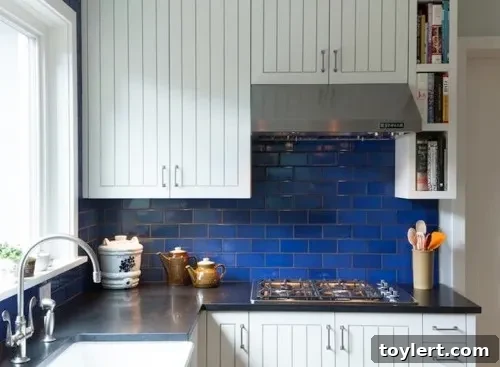
These are often the most common and impactful renovation projects. In an old house, this means balancing modern appliances and plumbing with the home’s historic feel. Consider period-appropriate cabinetry, classic tile choices, and fixtures that echo the home’s era while offering contemporary performance. The image above beautifully exemplifies how a kitchen in an old house can be transformed to offer both functionality and aesthetic appeal, demonstrating a thoughtful blend of original character with updated design elements like natural light and streamlined workspaces. Notice how the original structure seems to be respected while modern needs are met.
2. Electrical and Plumbing Systems
Outdated wiring and plumbing are common hazards in old homes. Upgrading these systems is crucial for safety and functionality. This is a job for licensed professionals and often involves opening up walls and floors, which can be an opportune time to add insulation or update other hidden infrastructure.
3. HVAC Systems and Insulation
Many old houses lack modern heating, ventilation, and air conditioning (HVAC) systems and proper insulation, leading to high energy bills and uneven temperatures. Installing efficient HVAC systems and improving insulation in walls, attics, and crawl spaces will dramatically enhance comfort and energy efficiency. Explore options like mini-split systems that can be less invasive than traditional ductwork.
4. Window Restoration or Replacement
Original windows are often beautiful but can be drafty and inefficient. Prioritize restoration if possible, as original windows contribute significantly to a home’s character. If replacement is necessary, choose energy-efficient windows that match the style and proportion of the originals.
5. Flooring Restoration
Original hardwood floors are a treasure. Refinishing them can bring out their natural beauty and warmth. If floors are beyond repair, consider salvaging wood from other parts of the house or installing new flooring that complements the home’s age, such as reclaimed wood or historically accurate tile.
6. Addressing Lead Paint and Asbestos
Older homes may contain hazardous materials like lead paint and asbestos. Always test for these before starting any demolition or renovation work. Professional abatement is essential to ensure the safety of your home and family.
The Rewarding Journey of Old House Transformation
Renovating and decorating an old house is more than just a home improvement project; it’s a journey of discovery, creativity, and dedication. It requires patience, a willingness to learn, and an appreciation for the craftsmanship of the past. The challenges can be numerous, from unexpected repairs to navigating historic preservation guidelines, but the rewards are immeasurable. Living in a home that breathes history, yet functions beautifully for modern life, is a unique and deeply satisfying experience.
As you embark on your own old house renovation, remember to approach it with curiosity and respect. Each nail, each plank, each decorative detail tells a story. By thoughtfully blending the old with the new, you’re not just creating a house; you’re preserving a legacy and crafting a truly unique home for yourself and future generations. Dive in, get inspired, and enjoy the transformative power of bringing an old house back to its glorious prime.