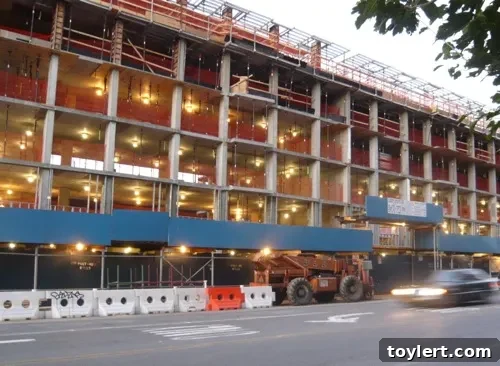
Brooklyn’s Real Estate Boom: Unpacking the Soaring Prices and Scarcity
Brooklyn, a borough celebrated for its vibrant culture, historic brownstones, and dynamic neighborhoods, has been at the epicenter of a dramatic real estate transformation. In recent years, an unprecedented scarcity of new homes available for sale has sent property prices skyrocketing to historic levels. This intense market pressure is not merely a cyclical trend but a complex interplay of economic factors, lending policies, and evolving urban dynamics, as highlighted by comprehensive reports from leading real estate firms like MNS and widely covered by outlets such as The New York Post, Curbed, and DNAinfo.
The Dwindling Supply: A Market in Flux
The core issue driving Brooklyn’s escalating real estate prices is a severe shortage of inventory, particularly concerning new development sales. Data from real estate firm MNS revealed a staggering decline in new development sales inventory in Brooklyn. The first quarter alone witnessed a whopping 98 percent drop compared to the fourth quarter of the previous year. This precipitous fall signifies a significant bottleneck in the housing pipeline, indicating that new apartments are simply not making their way to the market at a pace that can meet surging demand.
This lack of supply has created a highly competitive environment for prospective buyers, pushing the average price per square foot upwards by a considerable 8 percent. What this translates to on the ground is that buyers are paying significantly more for less availability, intensifying the bidding wars and accelerating transaction speeds across numerous Brooklyn neighborhoods.
Lending Hesitations Reshape Development Landscape
A major contributing factor to the reduced availability of for-sale properties lies in the cautious approach of lenders. Following the economic downturn, many financial institutions became reluctant to finance new condo developments. This hesitance largely stemmed from concerns about market volatility and the perceived risks associated with speculative condo projects.
As a direct consequence of this shift in lending patterns, many new builds that were initially envisioned as condominiums have been converted into rental properties. Developers, seeking more stable and predictable income streams, opted to proceed with rental projects where financing was more readily available. While this has bolstered Brooklyn’s rental market, it has simultaneously starved the for-sale inventory, exacerbating the supply crisis for homebuyers and investors looking to purchase rather than lease.
From “Fire Sales” to Unprecedented Gains
The current market frenzy stands in stark contrast to the conditions observed just a few years prior. Approximately four years ago, in the wake of the financial crisis, many new condo units in Brooklyn were selling at “fire sale prices,” often discounted by 20 percent or even more. These were opportunistic times for savvy buyers who could capitalize on the then-depressed market.
Fast forward to the present, and the narrative has completely inverted. Units that were once acquired at deep discounts are now commanding nearly double their initial “fire sale” prices, as reported by The New York Post. This incredible appreciation underscores the dramatic recovery and subsequent surge in Brooklyn’s real estate values, turning prior investments into highly profitable ventures for those who bought at the opportune moment.
This significant rebound highlights the resilience and enduring appeal of Brooklyn as a residential hub. The perception of value, coupled with limited new supply, has fueled an aggressive upward trajectory in property valuations, challenging the conventional wisdom that market corrections are permanent.
Neighborhood Spotlights: Clinton Hill’s meteoric Rise
While the market trends are widespread across Brooklyn, certain neighborhoods exemplify this dramatic price acceleration more vividly than others. Clinton Hill, a charming neighborhood known for its tree-lined streets and historic architecture, provides a compelling case study of this rapid growth. According to DNAinfo, based on the MNS report, the average sales price for new condos in Clinton Hill witnessed an astonishing jump from $505,000 to $745,000 in a mere three months. This represents a substantial increase of nearly 48% within a single quarter, signaling an intensely heated market.
This meteoric rise in Clinton Hill is indicative of broader trends observed in other popular Brooklyn enclaves such as Williamsburg, DUMBO, Park Slope, and Prospect Heights. These areas, already desirable due to their amenities, connectivity, and community feel, are experiencing intense buyer competition, pushing prices beyond previous expectations. The influx of residents, businesses, and cultural institutions continues to enhance the appeal of these neighborhoods, further solidifying their status as prime real estate locations.
The robust demand isn’t just from locals or traditional families; it also includes a significant contingent of out-of-state and international buyers, alongside a growing number of investors. These investors are drawn to Brooklyn’s strong rental yields and the potential for long-term capital appreciation, further contributing to the upward pressure on prices.
The Underlying Factors: Why Supply Remains Stagnant
Beyond lender reluctance, several other factors contribute to the persistent scarcity of new housing units in Brooklyn. Limited developable land is a primary constraint. As an established urban environment, Brooklyn has fewer vacant lots suitable for large-scale construction compared to sprawling suburban areas. Redevelopment often involves complex and costly processes, including demolitions, environmental assessments, and navigating stringent zoning regulations.
Zoning laws themselves play a crucial role. While designed to manage urban growth and preserve neighborhood character, they can also limit density and the types of developments permitted in certain areas. Rezonings are often contentious and time-consuming, creating additional hurdles for developers seeking to increase housing supply.
Furthermore, rising construction costs, including labor, materials, and compliance with increasingly strict building codes, add to the financial burden on developers. These higher costs must be passed on to buyers, resulting in elevated price points that further segment the market, making new homes accessible only to a select demographic.
Impact on Diverse Buyer Segments
The current Brooklyn housing market presents a mixed bag for different buyer segments. For those who purchased property several years ago, the appreciation has been a boon, significantly increasing their equity. However, for first-time homebuyers or those with moderate incomes, the prospect of owning a home in Brooklyn is becoming increasingly challenging. The rapid price escalation outpaces wage growth for many, pushing homeownership further out of reach and potentially leading to a demographic shift within the borough.
Investors, on the other hand, continue to find Brooklyn an attractive market. The strong rental demand ensures a steady income stream, and the consistent property appreciation offers a solid return on investment. This investor interest, while beneficial for property owners, further contributes to the competitive environment for owner-occupants.
The Burning Question: Will There Be Any Relief Soon?
The pressing question on everyone’s mind is whether Brooklyn’s red-hot real estate market will see any relief in the near future. Predicting market shifts is inherently difficult, but several factors could influence future trends. An increase in interest rates could cool buyer enthusiasm, making mortgages more expensive and potentially tempering demand. Policy changes, such as incentives for affordable housing development or streamlined zoning processes, could also help boost supply.
However, given the fundamental constraints of land availability and the persistent appeal of Brooklyn as a place to live, work, and invest, a significant downturn in prices seems unlikely in the short term. Instead, a more plausible scenario might be a stabilization of price growth rather than a dramatic decrease. Developers are always seeking opportunities, and if market conditions remain favorable, there will eventually be new projects to alleviate some of the supply pressure, though these often take years to come to fruition.
The long-term outlook for Brooklyn real estate points towards continued strength, driven by its unique blend of urban amenities, community charm, and economic vitality. While the current scarcity presents significant challenges, it also underscores the enduring value and desirability of property in this dynamic New York City borough.
Sources and Further Reading:
- Brooklyn Bump [NY Post]
- Brooklyn New Development Sales Plunge by a Ton [Curbed]
- Clinton Hill Gets Fancy and Sees Major Jump in Real Estate Prices [DNAinfo]