Brooklyn’s Booming Rental Market: An In-Depth Look at Record Highs and Future Trends
Brooklyn, a borough celebrated for its vibrant culture, diverse neighborhoods, and burgeoning appeal, has long been a magnet for residents seeking an alternative to Manhattan’s fast pace. However, this popularity comes with a significant impact on its housing market. According to a comprehensive year-end rental report compiled by MNS, the Brooklyn rental market has reached unprecedented levels, with rents hitting “all-time highs.” This detailed analysis uncovers the core findings of the report, exploring the drivers behind these record increases and shedding light on what the future might hold for renters and developers in this dynamic New York City borough.
Key Findings from the MNS Year-End Rental Report
The MNS report, a crucial benchmark for understanding New York City’s real estate landscape, paints a clear picture of a rental market in rapid ascension. The data from 2012, when compared to the previous year, highlights a significant upward trend across all apartment types. The average yearly rents showcased figures that, at the time, were considered steep, signaling a profound shift in Brooklyn’s affordability landscape.
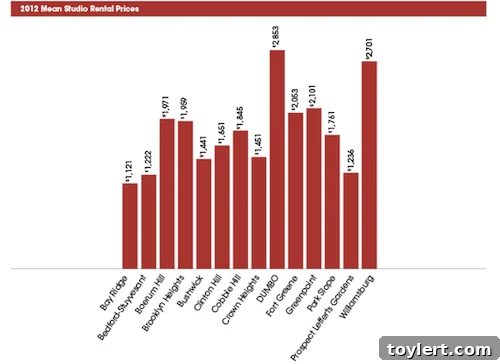
- Studio Apartments: The average rent for studios stood at $1,812.
- One-Bedroom Apartments: Tenants could expect to pay an average of $2,400 for a one-bedroom unit.
- Two-Bedroom Apartments: Larger two-bedroom accommodations commanded an average of $3,065.
These figures represent not just statistics but reflect the intense demand and desirability associated with living in Brooklyn. Cumulatively, the borough experienced an overall increase of 8.6 percent in average rents since 2011. This substantial jump in a single year underscores the rapid pace of change and the growing pressure on the rental supply.
Understanding the Price Hikes: Supply and Demand Dynamics
One of the most significant factors driving these price escalations, particularly for smaller units, was a noticeable decrease in available inventory. The report explicitly states that studio prices have risen considerably as the supply of these compact and often more accessible units dwindled. This classic economic principle of supply and demand played out vividly in several key Brooklyn neighborhoods.
The tightening market for studios was particularly acute in areas that had traditionally offered more varied price points or were undergoing significant gentrification. Neighborhoods such as Bay Ridge, known for its scenic waterfront and community feel, Cobble Hill with its historic charm, the rapidly evolving Bushwick, and the tree-lined streets of Prospect Lefferts Gardens, all witnessed studio prices climbing steadily. These areas, each with their unique appeal, saw increased competition for a diminishing pool of available apartments, pushing rental costs upwards.
The report highlighted some truly staggering percentage increases for studio apartments in specific locales:
- In Bed Stuy (Bedford-Stuyvesant), studio prices surged by an impressive 34 percent since 2011. This remarkable increase points to the area’s growing popularity, fueled by its rich history, brownstone architecture, and improving amenities and transportation links.
- Even more dramatically, Bushwick experienced a colossal 38 percent increase in studio prices over the same period. Bushwick’s transformation into a hub for artists and young professionals, coupled with its vibrant nightlife and cultural scene, has made it one of Brooklyn’s most sought-after (and consequently, most expensive) neighborhoods for entry-level rentals.
These figures are not just numbers; they represent a significant shift in the demographic and economic landscape of these communities, making it increasingly challenging for long-term residents and new arrivals alike to find affordable housing.
Trends Across Apartment Sizes: One-Bedroom and Two-Bedroom Markets
While studios bore the brunt of the most dramatic price hikes, larger units were not immune to the borough-wide upward trend. The MNS report details consistent growth across one-bedroom and two-bedroom categories, albeit with varying intensity:
- One-bedroom apartments saw an overall increase of 11.67 percent. This strong growth reflects a significant demand from singles and couples seeking more space than a studio, yet perhaps not ready or able to afford a two-bedroom. The one-bedroom market often serves as a barometer for mid-tier rental demand, indicating a robust and competitive environment.
- Two-bedroom apartments experienced a 5.85 percent increase. While still substantial, this growth rate was comparatively lower than studios and one-bedrooms. This could suggest a slightly more stable market for larger units, or perhaps a different demand curve where the absolute higher price point might temper the rate of increase compared to the more entry-level studio and one-bedroom markets. Nonetheless, a nearly 6% annual increase for a significant investment like a two-bedroom rental unit is a clear indicator of a strong market.
These varying percentages highlight the nuances within the Brooklyn rental ecosystem, where different unit types cater to distinct segments of the population and are influenced by unique supply constraints and demand drivers.
The Future of Brooklyn Rentals: New Inventory on the Horizon
Looking ahead, the MNS report also offered a glimpse into the future supply side of the Brooklyn rental market, providing a ray of hope for those grappling with escalating rents. MNS estimated that over 1,500 new rental units were slated to enter the Brooklyn market in the year following the report’s publication. This significant influx of new housing stock held the potential to impact pricing and availability across the borough.
Where New Developments Are Concentrated
Unsurprisingly, the vast majority of this new inventory was projected to emerge in Brooklyn’s most prominent and rapidly developing areas: Downtown Brooklyn and Williamsburg. These neighborhoods have been at the forefront of Brooklyn’s transformation for years, attracting massive investment in residential and commercial real estate due to several key factors:
- Downtown Brooklyn: Positioned as a central business district, Downtown Brooklyn boasts excellent transportation links, proximity to Manhattan, a burgeoning retail scene, and a growing number of corporate offices and educational institutions. Its skyline has undergone a dramatic transformation with the rise of numerous luxury high-rises, catering to a demographic seeking urban amenities and convenience.
- Williamsburg: Iconic for its trendsetting culture, vibrant nightlife, and artistic community, Williamsburg has evolved from an industrial hub into one of the most desirable residential neighborhoods globally. Its popularity, especially among younger professionals and creatives, ensures sustained demand for rental units, making it a prime target for new construction.
The concentration of new development in these areas is a strategic response to existing demand, but it also raises questions about whether this new supply will genuinely alleviate borough-wide rental pressures or simply create more luxury options in already high-priced locales. While 1,500 units is a substantial number, the sheer scale of demand in Brooklyn suggests that it might only slightly temper the relentless upward trajectory of rents, particularly in the most sought-after neighborhoods.
Factors Driving Brooklyn’s Enduring Appeal
Beyond the immediate statistics, it’s crucial to understand the fundamental reasons behind Brooklyn’s sustained growth and rental market strength. The borough’s allure is multifaceted, drawing residents from all walks of life:
- Cultural Hotspot: Brooklyn is a global epicenter for arts, music, culinary innovation, and independent businesses. From world-class museums to intimate music venues, diverse restaurants, and unique boutiques, there’s always something new to explore.
- Neighborhood Character: Unlike the uniform grid of some urban areas, Brooklyn is a collection of distinct neighborhoods, each with its own personality and community feel. This offers residents a sense of belonging and a unique living experience, whether it’s the brownstone charm of Park Slope, the artistic energy of Bushwick, or the family-friendly vibe of Bay Ridge.
- Proximity to Manhattan: For many, Brooklyn offers the perfect balance: access to Manhattan’s job market and amenities without the constant hustle and higher price tags (though this gap is narrowing). Excellent subway connections make commuting relatively easy from many Brooklyn neighborhoods.
- Green Spaces and Waterfronts: Prospect Park, Brooklyn Bridge Park, and numerous smaller green spaces provide vital recreational opportunities and stunning views, enhancing the quality of life for residents.
- Economic Growth: Brooklyn itself has become a significant economic engine, with a growing tech scene, creative industries, and a robust small business sector, offering job opportunities within the borough itself.
Challenges and Outlook
While the MNS report highlights Brooklyn’s undeniable popularity and economic vitality, it also underscores significant challenges. The relentless rise in rents creates an ongoing affordability crisis, making it difficult for essential workers, artists, and long-term residents to remain in their communities. This often leads to displacement and alters the unique character that initially drew people to Brooklyn.
The influx of new luxury units, while adding to the overall housing stock, may not directly address the need for genuinely affordable housing. Policy makers and developers face the complex task of balancing growth with equity, ensuring that Brooklyn remains accessible and diverse. The demand for living in this vibrant borough shows no signs of waning, suggesting that the Brooklyn rental market will continue to be a dynamic and closely watched space for years to come.
Brooklyn Rental Market Report [MNS]