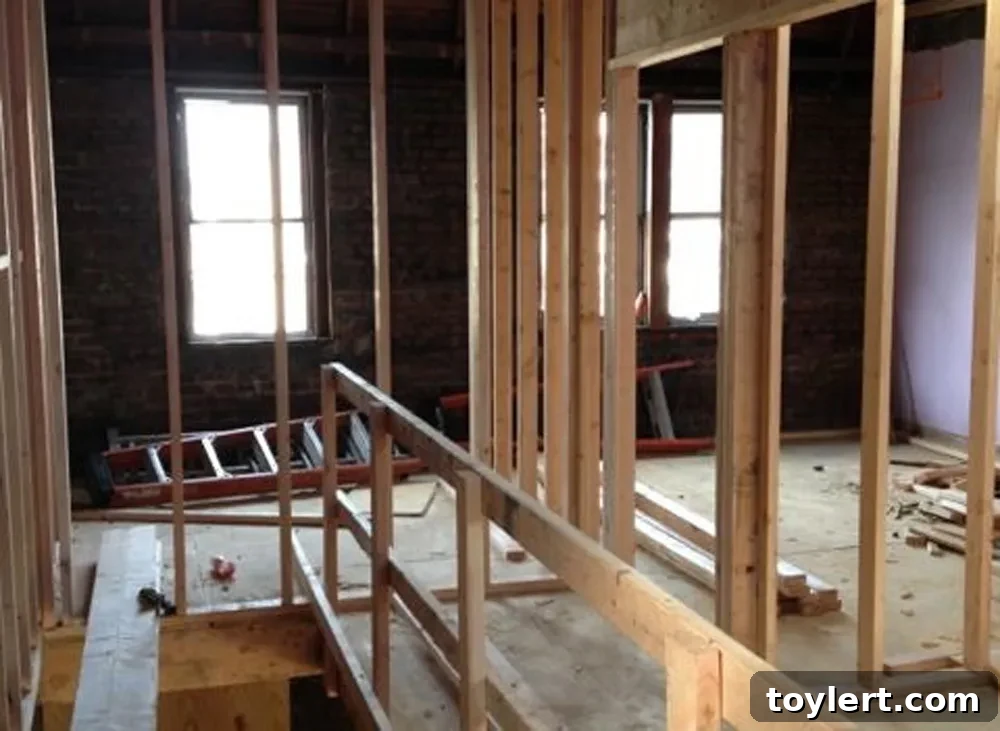
Unlocking Space: The Ultimate Guide to Wall Removal Costs and Considerations in NYC Brownstones
The desire for open-concept living has reshaped modern home design, and nowhere is this trend more evident than in the historic, charming brownstones of New York City. For many homeowners, the allure of a spacious, light-filled interior often means reconsidering the original, sometimes segmented, layouts of these classic residences. This desire recently came to light when a Brownstoner reader, specifically a new homeowner in Bed-Stuy, expressed an interest in opening up their brownstone by removing some internal walls.
This article delves deep into the complexities, costs, and critical considerations involved in internal wall removal, particularly within the unique context of NYC and Brooklyn brownstones. From identifying different wall types to navigating stringent city regulations and understanding the financial investment, we aim to provide a comprehensive guide for anyone considering such a transformative renovation.
The Enduring Appeal of Open Concept Living in Brownstones
Brownstones are beloved for their architectural grandeur, classic details, and prime locations. However, their traditional layouts often feature numerous smaller rooms, which can feel somewhat confining in today’s lifestyle. Removing internal walls can dramatically enhance a brownstone’s functionality and aesthetic appeal, offering a multitude of benefits:
- Increased Natural Light: Eliminating barriers allows natural light to penetrate deeper into the home, brightening previously dark areas.
- Improved Flow and Connectivity: Open spaces foster better interaction between family members and guests, making entertaining a breeze.
- Enhanced Sense of Space: Even modest brownstones can feel significantly larger and more expansive without restrictive walls.
- Modern Aesthetic: An open layout updates the home’s interior, blending classic charm with contemporary living.
- Greater Versatility: Open areas can be reconfigured more easily to serve various purposes, from a large dining space to a combined living and home office zone.
Transforming a brownstone into a more open, fluid space requires careful planning and a thorough understanding of the structural and regulatory landscape. It’s not merely about tearing down a wall; it’s about reimagining your living environment responsibly.
Understanding Wall Types: The Crucial First Step
Before any demolition begins, it’s paramount to understand that not all walls are created equal. There are two primary categories of walls, each with vastly different implications for removal:
1. Non-Load-Bearing Walls
These walls primarily serve as room dividers and do not support the structural integrity of the building. They typically enclose smaller spaces like closets, pantries, or divide areas within a larger room. Removing a non-load-bearing wall is generally simpler and less costly, as it doesn’t require the installation of new structural supports. However, even these walls may contain electrical wiring, plumbing, or HVAC ducts that need to be relocated, adding to the complexity.
2. Load-Bearing Walls
Load-bearing walls are critical components of a brownstone’s structure. They support the weight of the floors, ceiling, and roof above them, transferring these loads down to the foundation. Removing a load-bearing wall is a significant structural undertaking. It necessitates replacing the removed section with an alternative support system, typically a steel I-beam or a laminated veneer lumber (LVL) beam, along with new columns or reinforced headers. This process is complex, requires precise engineering, and involves substantially higher costs and regulatory scrutiny.
How to Identify a Load-Bearing Wall: While some visual cues (e.g., walls running perpendicular to floor joists, walls above a foundation wall, or thicker walls) might offer hints, only a qualified structural engineer or architect can definitively determine if a wall is load-bearing. This professional assessment is non-negotiable for safe and compliant wall removal.
The Comprehensive Process of Wall Removal in NYC Brownstones
Undertaking a wall removal project in a New York City brownstone, particularly one in a historic district like many parts of Bed-Stuy, involves a structured process that adheres to strict city regulations.
1. Initial Professional Assessment and Design
- Hire an Architect and/or Structural Engineer: This is the absolute first step. An experienced NYC architect will assess your brownstone’s existing layout, discuss your vision, and develop preliminary designs. If a load-bearing wall is suspected or confirmed, a structural engineer will be engaged to perform detailed calculations and design the appropriate new support system. They will provide blueprints and specifications essential for permits and construction.
- Asbestos and Lead Paint Testing: Brownstones, especially older ones, may contain hazardous materials like asbestos (in plaster, insulation, or flooring) and lead paint. Before any demolition, professional testing is mandatory to ensure the safety of occupants and workers. Remediation of these materials can significantly impact costs and timelines.
2. Navigating NYC Permits and Regulations
New York City’s Department of Buildings (DOB) has stringent requirements for any structural changes. You cannot simply knock down a wall. The following permits and approvals are typically required:
- DOB Permits: Your architect or contractor will file detailed plans with the DOB. This often involves an “Alt-2” or “Alteration Type 2” permit for interior non-structural work, or an “Alt-1” permit for structural changes.
- Landmark Preservation Commission (LPC) Approval: Many brownstones, especially in Bed-Stuy, are located within historic districts. If your brownstone is a designated landmark or within a historic district, even interior alterations may require approval from the LPC. While interior changes are generally less scrutinized than exterior alterations, the LPC may still have guidelines regarding the preservation of historic fabric.
- Co-op/Condo Board Approval: If your brownstone is part of a multi-unit co-op or condo, you will also need explicit approval from the building’s board and potentially its own engineer.
The permit process can be time-consuming, often taking several weeks to months. It’s crucial to factor this into your project timeline.
3. Construction Phase: From Demolition to Finishing
- Preparation and Protection: The work area must be sealed off to contain dust and debris. Temporary supports will be installed if a load-bearing wall is being removed.
- Demolition: The wall is carefully removed, ensuring no damage to surrounding structures or systems.
- Structural Installation (for load-bearing walls): The engineered beam (steel or LVL) is installed, often requiring temporary shoring to hold the structure above in place. This is a critical and precise step.
- System Relocation: Any electrical, plumbing, or HVAC components found within the wall must be safely rerouted.
- Framing and Drywall: New framing may be installed around the beam or for new wall sections, followed by drywall installation.
- Finishing Work: This includes plastering, sanding, painting, and seamlessly integrating the new opening into the existing floors, ceilings, and walls. This is where attention to detail ensures a polished, professional look.
Breaking Down the Costs: Wall Removal in NYC and Brooklyn Brownstones
The cost of wall removal in a brownstone can vary dramatically based on the wall type, length, complexity, and the level of finishing desired. As a general estimate, homeowners can expect to pay anywhere from $5,000 to over $40,000, with load-bearing walls at the higher end of the spectrum.
Key Cost Components:
- Professional Fees (Architect/Engineer):
- Non-load-bearing wall: $1,000 – $3,000 (for basic plans, permits, and oversight).
- Load-bearing wall: $3,000 – $10,000+ (for detailed structural analysis, beam design, and permit filings).
- Permit Fees:
- DOB permits: $300 – $2,000+ (depending on project scope and size).
- LPC fees: Can range from minor administrative fees to more substantial charges for complex reviews.
- Hazardous Material Testing and Remediation:
- Asbestos/Lead testing: $300 – $800 per test.
- Remediation: Can range from a few thousand dollars to tens of thousands, depending on the extent of contamination.
- Demolition and Debris Removal:
- Non-load-bearing wall: $500 – $2,500.
- Load-bearing wall: $1,000 – $4,000 (more complex and careful demolition required).
- Structural Support Materials and Installation (Load-Bearing Walls Only):
- Steel I-beam: $1,000 – $5,000 (material only, depending on size and length).
- LVL beam: $300 – $1,500 (material only).
- Installation labor: $3,000 – $10,000+ (highly skilled work, temporary shoring, and potential structural adjustments).
- System Relocation (Electrical, Plumbing, HVAC):
- Minor electrical rerouting: $500 – $2,000.
- Extensive plumbing/HVAC relocation: $2,000 – $10,000+.
- Finishing Work (Drywall, Plaster, Painting, Flooring, Ceiling Repair):
- Patching and painting: $1,000 – $5,000.
- Extensive floor/ceiling matching and repair: $2,000 – $8,000+ (especially challenging in brownstones with unique historic materials).
- General Contractor Fees: Typically 10-20% of the total project cost for project management, coordination, and oversight.
- Contingency Fund: Always advisable to allocate an additional 15-20% of the total budget for unforeseen issues.
Factors Influencing the Final Cost:
- Wall Length and Thickness: Longer, thicker walls naturally require more labor and materials.
- Accessibility: Walls in hard-to-reach areas or those requiring specialized equipment will increase labor costs.
- Age of Brownstone: Older homes often present unique challenges, such as outdated wiring, unexpected structural elements, or the presence of lath and plaster walls (which are messier to remove than drywall).
- Extent of Finishing: Seamlessly blending a new opening into an antique brownstone floor or ceiling can be labor-intensive and costly.
- Contractor Experience: Highly reputable and experienced NYC contractors, while more expensive, often ensure smoother projects and higher quality results.
Specific Considerations for Brooklyn Brownstones
Brooklyn brownstones, particularly those in neighborhoods like Bed-Stuy, Park Slope, Carroll Gardens, and Fort Greene, share common characteristics that influence renovation projects:
- Historic District Regulations: Many of these areas are designated historic districts, meaning any exterior changes (and sometimes interior alterations impacting historic fabric) must go through the LPC review process.
- Original Construction Materials: Expect lath and plaster walls, original hardwood floors, and potentially outdated plumbing and electrical systems. These require careful handling during demolition and often necessitate upgrades.
- Party Walls: Many brownstones share a party wall with an adjacent building. While interior wall removal typically doesn’t impact party walls, it’s a structural element to be aware of and always considered by engineers.
- Tight Spaces: Access for materials and demolition debris removal can be challenging in typical brownstone setups, potentially increasing labor costs.
Finding the Right Professionals in NYC
Given the complexity and regulatory environment, choosing the right team is paramount. Look for:
- NYC Licensed and Insured Professionals: Ensure all architects, engineers, and contractors are properly licensed and carry comprehensive insurance.
- Brownstone Renovation Experience: Prioritize professionals with a proven track record of successful brownstone renovations, specifically in wall removal projects.
- Strong Communication: Select a team that communicates clearly and keeps you informed throughout the entire process.
- References and Portfolio: Always check references and review their portfolio of similar projects.
Conclusion: A Worthwhile Investment with Proper Planning
The desire to “open up” a brownstone by removing internal walls is a common and often highly rewarding renovation project for NYC homeowners. It can transform a traditional, segmented layout into a modern, expansive, and light-filled living space, significantly enhancing both the functionality and value of your home.
However, this is not a project to undertake lightly or without professional guidance. The critical distinction between load-bearing and non-load-bearing walls, the intricate permitting process with the NYC Department of Buildings and potentially the Landmark Preservation Commission, and the substantial financial investment all underscore the need for meticulous planning. By engaging experienced architects, structural engineers, and reputable contractors, and by preparing for the various stages and potential costs, your dream of an open-concept brownstone can become a beautifully executed reality, adding contemporary elegance to historic charm.