Brooklyn in Focus: Navigating Urban Transformation and Community Spirit in Early 2012
Early 2012 marked a fascinating period for Brooklyn, a borough experiencing rapid growth, evolving political landscapes, and a vibrant cultural scene. From groundbreaking urban development projects that reshaped its skyline to the quirky events that defined its unique community spirit, Brooklyn was a dynamic hub of activity. This article delves into a collection of notable stories and trends from that era, offering a retrospective look at the forces shaping New York City’s most populous borough. We’ll explore significant political contests, iconic cultural gatherings, pivotal architectural discussions, and emerging real estate philosophies that captivated residents and observers alike. Join us as we journey back to uncover the diverse facets of Brooklyn’s compelling narrative.
The Barclays Center: A Monumental Shift for Brooklyn
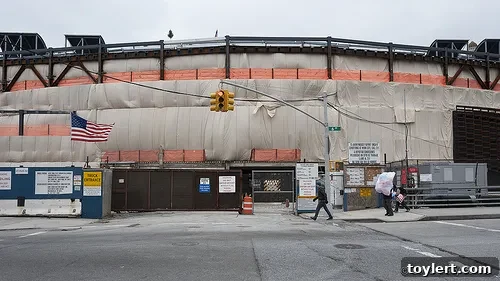
The image above, captured in January 2012, offers a glimpse into the significant urban transformation underway in Brooklyn: the construction of the Barclays Center. This ambitious project, located at Atlantic Yards (now Pacific Park), was more than just a new arena; it was a cornerstone of a massive development plan that promised to redefine the fabric of downtown Brooklyn and its surrounding neighborhoods. Designed to be the new home for the NBA’s Brooklyn Nets, the Barclays Center quickly became a symbol of the borough’s resurgence and its growing status as a cultural and entertainment powerhouse.
In early 2012, construction was in full swing, drawing both excitement and controversy. Proponents lauded the project for its potential to bring jobs, stimulate economic growth, and establish Brooklyn as a premier destination for sports and concerts. Opponents, however, raised concerns about displacement, the impact on local businesses, and the fairness of eminent domain use. Regardless of perspective, the Barclays Center undeniably represented a pivotal moment in Brooklyn’s modern history, catalyzing widespread discussions about urban development, community impact, and the balance between progress and preservation. Its completion later that year would indeed usher in a new era for the borough, changing its skyline and its pulse forever.
Embracing the Eccentric: New York City’s 2012 Idiotarod
Beyond the serious discussions of infrastructure and politics, New York City in early 2012 also celebrated its unique, quirky spirit through events like the Idiotarod. This annual, unsanctioned urban shopping cart race, a satirical take on Alaska’s famed Iditarod sled dog race, brought together teams of costumed participants pushing elaborately decorated shopping carts through the city streets. It was a spectacle of creativity, irreverence, and community bonding, perfectly embodying the counter-cultural undercurrents that thrive in a city known for its individuality.
The announcement of the 2012 Idiotarod, as reported by McBrooklyn, generated buzz among those eager for an unconventional winter diversion. Participants typically adorned their carts and themselves in thematic costumes, racing not just for victory but for bragging rights and sheer enjoyment. The event wasn’t merely a race; it was a mobile street party, often involving pit stops at various bars and engaging bystanders with its whimsical chaos. The Idiotarod serves as a reminder that amidst the towering ambitions of urban development and the earnestness of political campaigns, New Yorkers always find a way to infuse their city life with a distinct brand of playful anarchy and creative self-expression.
Political Showdown in Brooklyn: Jeffries vs. Towns
The political landscape in Brooklyn was heating up in early 2012, with a significant congressional primary race casting a spotlight on the borough. The contest between Hakeem Jeffries and Edolphus Towns for New York’s newly redrawn 8th Congressional District was a clash between an established incumbent and a rising political star. Edolphus Towns, a long-serving representative, had been a fixture in Brooklyn politics for decades, while Hakeem Jeffries, then a State Assemblyman, represented a younger, more progressive generation eager to make its mark.
The election garnered considerable attention, with local media outlets like The Local (NYT) questioning whether it would be a “Clash of Titans or a Case of Ho-Hum?” For many residents, the outcome of this primary was crucial, determining not just who would represent them in Washington D.C., but also signaling a potential shift in Brooklyn’s political leadership. This race symbolized broader dynamics within the Democratic party and the ongoing generational transition in urban politics, highlighting the constant evolution of leadership and representation in one of America’s most diverse districts. Ultimately, Jeffries emerged victorious, beginning a new chapter in his distinguished career and marking a significant moment in Brooklyn’s political history.
A Glimpse into History: Brooklyn’s Montauk Club
Brooklyn is not just about new developments and contemporary events; it’s also a borough steeped in rich history and architectural grandeur. The Montauk Club stands as a testament to this legacy, an iconic landmark that offers a window into Brooklyn’s opulent past. Located in Park Slope, this private social club, founded in 1889, is renowned for its stunning Venetian Gothic architecture, a masterpiece designed by Francis H. Kimball. Its intricate terra cotta details, soaring arches, and majestic stained-glass windows make it one of the most distinctive buildings in New York City.
In January 2012, Gothamist took “A Little Look Back At Brooklyn’s Montauk Club,” reminding us of its enduring charm and historical significance. The Montauk Club was once a hub for Brooklyn’s elite, hosting social gatherings, intellectual discussions, and political meetings. Today, it continues to serve as a private club while also being a popular venue for events, maintaining its role as a cultural anchor in the community. Its preservation and continued vitality underscore the importance of architectural heritage in defining Brooklyn’s unique character, connecting its vibrant present to its illustrious past.
Urban Reconstruction: The Union Street Project at 13 Union
Brooklyn’s ongoing transformation in 2012 extended deeply into its residential and commercial fabric, with numerous projects aiming to revitalize existing structures or introduce new developments. One such initiative, highlighted by Lost City as “The Union Street Project: 13 Union,” likely pertained to a specific building or block along the bustling Union Street. Projects like these are integral to the organic growth of a city, often involving the adaptive reuse of historic buildings, the construction of modern housing, or the development of mixed-use spaces.
While the exact details of “The Union Street Project” might vary, such ventures typically reflect broader trends in urban planning and design. They often address the increasing demand for housing in sought-after neighborhoods, seek to enhance pedestrian experiences, and aim to integrate new elements seamlessly into the existing urban landscape. These projects, whether large or small, contribute significantly to the evolving identity of Brooklyn, balancing the needs of a growing population with the desire to maintain the borough’s distinctive charm and community feel. They are a constant reminder that New York City is always under construction, continuously reinventing itself street by street.
Real Estate Trends: David Karp and the Micro-Loft Phenomenon
The real estate market in New York City is perpetually a topic of fervent discussion, and early 2012 was no exception, especially concerning innovative living solutions. As the city grappled with issues of space and affordability, concepts like “micro-lofting” gained traction. These compact, efficiently designed living units offered a pragmatic approach to urban dwelling, particularly appealing to single professionals and those prioritizing location over expansive square footage.
However, not everyone was convinced by the allure of extremely compact living. Curbed reported on Tumblr’s founder David Karp’s disinterest in micro-lofting, offering a different perspective on urban housing. Karp, known for his minimalist aesthetic but also for his spacious West Village loft, represented a segment of the city’s population that, despite embracing modern tech, still sought more generous living spaces. This discussion around micro-lofts, and Karp’s take on them, highlighted the ongoing debate about how New York City residents balance lifestyle preferences, cost, and the relentless quest for space in one of the world’s densest urban environments. It underscored the diverse housing demands and the creative solutions (or rejections thereof) constantly being explored within the metropolis.