Exploring Brooklyn and Queens: A Dynamic Tapestry of Culture, History, and Urban Evolution
New York City’s boroughs of Brooklyn and Queens are vibrant epicenters of culture, history, and continuous urban evolution. Far beyond Manhattan’s gleaming towers, these neighborhoods pulsate with their own unique rhythms, offering a diverse array of experiences from groundbreaking street art to historic landmarks, burgeoning culinary scenes, and complex urban challenges. This deep dive uncovers some of the compelling stories shaping these iconic boroughs, illustrating why Brooklyn and Queens remain endlessly fascinating subjects for residents and visitors alike. From artistic expressions that challenge the status quo to crucial infrastructure upgrades and the ever-changing real estate landscape, we explore the multifaceted layers that define life in these dynamic communities.
Street Art and Social Commentary: Voices from the Urban Canvas
Street art in New York City is more than mere decoration; it’s a powerful medium for social commentary and community expression. Brooklyn and Queens, with their rich artistic legacies, serve as canvases for artists who often tackle pressing urban and political themes. These visual narratives offer candid insights into the heart of metropolitan life, reflecting the hopes, frustrations, and calls for change within diverse communities.
The Enduring Message of Occupy Barclays Street Art
The spirit of protest and collective action often finds its voice through public art, and the Occupy Wall Street movement was a prime example. The related Occupy Barclays Street Art phenomenon highlighted how artists used urban spaces around the Barclays Center and downtown Brooklyn to amplify messages of economic inequality and social justice. These ephemeral works, often raw and direct, served as a visual diary of a significant socio-political moment. They transformed mundane city walls into interactive platforms for dialogue, inviting passersby to engage with critical issues. The presence of such art underscored Brooklyn’s role as a hub for activism and creative dissent, demonstrating the immediate and impactful way art can communicate complex ideas within a bustling urban environment.
Gowanus Power Station Graffiti: A Call for Change
Similarly, the industrial landscape of Gowanus, Brooklyn, has frequently been a backdrop for poignant artistic statements. The appearance of new graffiti on the Gowanus Power Station calling to “End Stop and Frisk!” was a striking example of art as political protest. This powerful message directly addressed a contentious policing policy that sparked widespread debate and criticism regarding civil liberties and racial profiling. The Gowanus Power Station, a landmark in itself, became an accidental gallery for a movement, turning an overlooked industrial structure into a focal point for public discourse. Such acts of public art are vital to the urban fabric, allowing marginalized voices to be heard and influencing the collective conscience of the city. They highlight the ongoing conversations about justice, equality, and the role of law enforcement within New York City’s diverse communities.
Community, Culture, and Urban Challenges: The Fabric of Borough Life
Beyond the art, Brooklyn and Queens grapple with a range of community and cultural issues that reflect their dynamic character. From poignant memorials to the preservation of historical artifacts, these boroughs are constantly navigating the complexities of growth, remembrance, and identity.
The Plight of Ghost Bikes: Memorials Under Threat
Ghost bikes, stark white bicycles placed at accident sites, serve as poignant memorials for cyclists killed in traffic incidents, advocating for safer streets. These silent tributes are powerful symbols of the urban cycling community’s grief and its plea for greater road safety. However, reports of thieves targeting ghost bikes for parts introduce a heartbreaking layer of disrespect to these sacred sites. This act not only defiles a memorial but also undermines the collective memory and advocacy efforts of the cycling community. The phenomenon raises questions about urban ethics, the value placed on public memorials, and the ongoing struggle for respectful co-existence among various modes of transport in a dense city. Protecting these ghost bikes is crucial for honoring lives lost and maintaining the integrity of a vital, visible campaign for cyclist safety in bustling neighborhoods like Prospect Heights.
Preserving Brooklyn’s Past: Park Slope’s Enduring Street Signs
Brooklyn is a borough steeped in history, and remnants of its past are often found in the most unexpected places. In the picturesque neighborhood of Park Slope, one can discover one of Brooklyn’s oldest street signs. These historical markers are more than just navigational aids; they are tangible links to bygone eras, offering glimpses into the borough’s foundational years and its evolution. Such signs, with their distinct typography and weathered charm, tell stories of early urban planning and the gradual growth of a neighborhood. Their preservation is essential for maintaining the historical integrity and unique character of Park Slope, a community celebrated for its Victorian architecture and tree-lined streets. They serve as quiet reminders of the enduring legacy of Brooklyn, prompting residents and visitors to reflect on the layers of history beneath their feet and appreciate the efforts to preserve these precious artifacts.
Culinary Delights and Infrastructure Developments: Feeding and Moving a Metropolis
The urban experience in Brooklyn and Queens is also defined by its diverse culinary landscape and the critical infrastructure that supports millions of daily lives. These elements are constantly evolving, reflecting the growth and changing needs of the city.
Williamsburg’s Culinary Scene: The Buzz Around Lake Trout
Williamsburg, Brooklyn, has cemented its reputation as a global culinary hotspot, a place where innovative restaurants and diverse eateries constantly emerge and redefine dining trends. Amidst this vibrant scene, the buzz around establishments like Lake Trout in Williamsburg captures the essence of the neighborhood’s ever-evolving food culture. Whether focusing on specific seafood preparations or offering a unique take on comfort food, such establishments contribute to Williamsburg’s appeal as a gastronomic destination. The “early word” on new restaurants often signals emerging trends, popular dishes, and the general direction of the local food scene. This constant innovation ensures that Williamsburg remains a magnet for food enthusiasts, reflecting the dynamic tastes and preferences of its diverse residents and the wider New York City community seeking out fresh, exciting dining experiences.
Navigating NYC’s Transit: MTA’s Essential 7th Avenue Closure
New York City’s Metropolitan Transportation Authority (MTA) is the lifeline of the metropolis, and its ongoing maintenance and upgrades are crucial for sustaining millions of daily commutes. The temporary closure of critical access points, such as the north entrance at 7th Avenue for the Q/B train in Prospect Heights, while inconvenient, is often necessary for vital infrastructure improvements. Explaining *why* the MTA needs to undertake such closures helps commuters understand the long-term benefits of these short-term disruptions. These projects typically involve structural repairs, accessibility upgrades, or system modernizations that enhance safety, efficiency, and reliability for future generations of riders. Such closures are a stark reminder of the immense effort required to maintain and improve one of the world’s most extensive and heavily utilized public transit systems, demonstrating the city’s commitment to continuous urban development and reliable public services.
Real Estate and Lifestyle in the Outer Boroughs: Defining Value and Luxury
The real estate market in Brooklyn and Queens is a testament to their growing desirability, with property values often reaching impressive heights. These boroughs offer a spectrum of living experiences, from charming historic homes to luxurious modern retreats, continually redefining what constitutes prime New York City real estate.
Luxury Living in Queens: A $5.1 Million Rockaways Retreat
Queens, often seen as a more accessible alternative to Manhattan, has its own pockets of significant luxury, especially along its picturesque coastline. The question, “What Will $5.1M Get You in Queens? A Sweet Beach House in the Rockaways,” highlights the increasing value and evolving perception of the borough’s prime properties. A multi-million dollar beach house in the Rockaways signifies not just luxury, but also a specific lifestyle – one that combines urban proximity with coastal tranquility. This showcases the incredible diversity within Queens, dispelling any monolithic view of the borough. It underscores how specific neighborhoods within Queens, like the Rockaways, have transformed into highly sought-after locations, offering unique advantages and attracting discerning buyers looking for both an escape and a connection to the city. Such properties exemplify the high-end segment of the Queens real estate market, reflecting the borough’s broad appeal and economic growth.
The stories emerging from Brooklyn and Queens paint a vivid picture of New York City’s ever-evolving landscape. From powerful street art and urgent infrastructure needs to the preservation of local history and the dynamics of its real estate market, these boroughs are continuously reinventing themselves while holding onto their distinctive character. They are places where history intertwines with modernity, community spirit thrives amidst urban challenges, and every corner holds a new discovery. Exploring Brooklyn and Queens means immersing oneself in a rich tapestry of experiences that truly capture the essence of New York City.
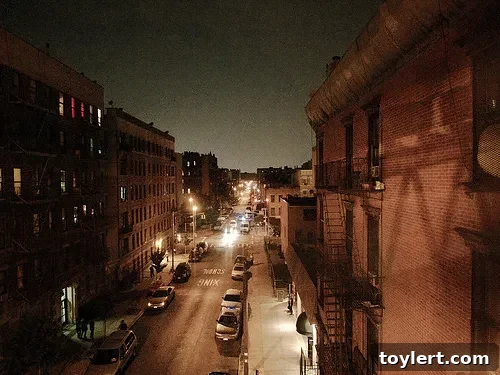
Photo by tscola