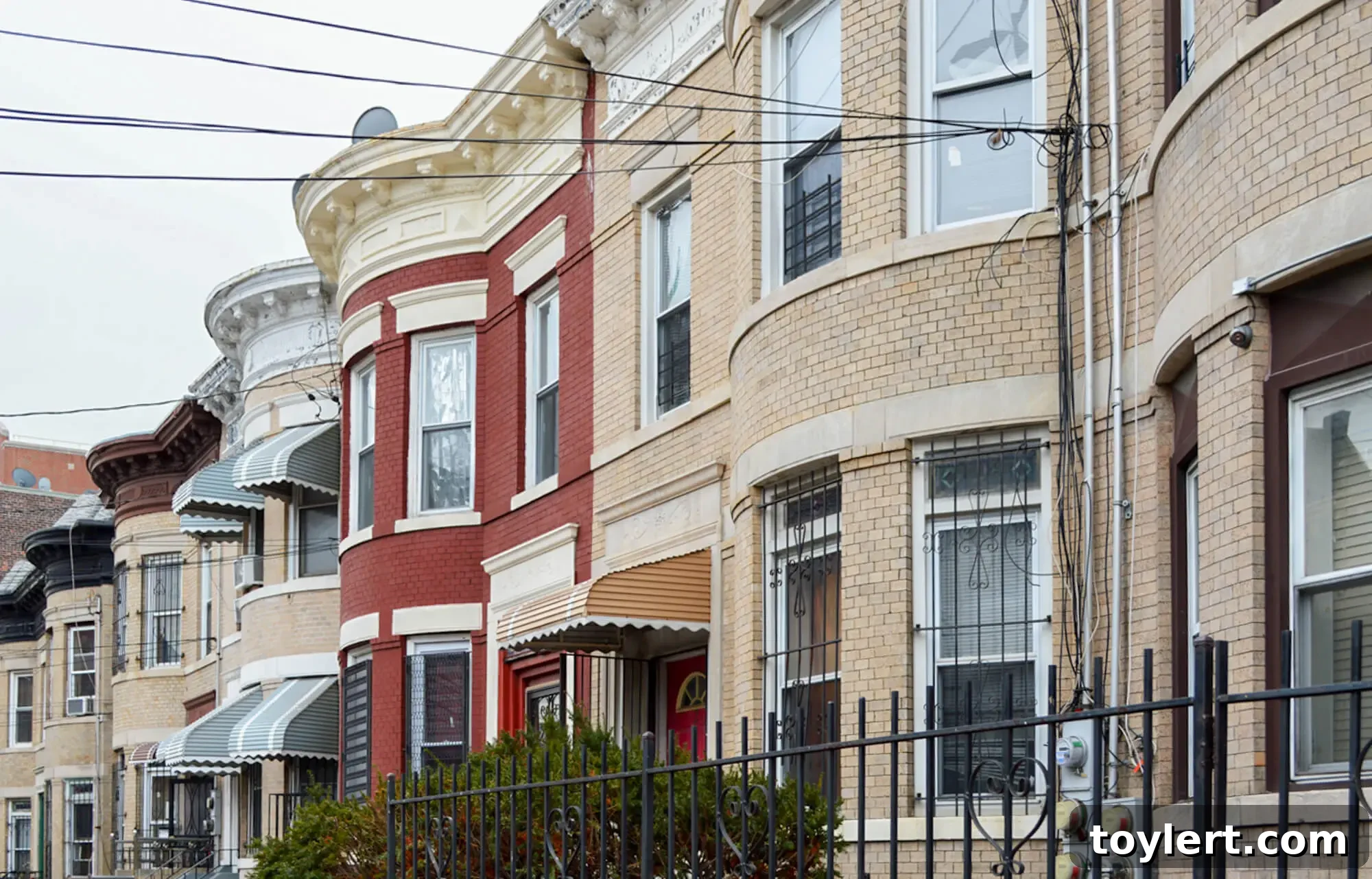
Empowering homeowners with vital knowledge is crucial for financial stability and long-term security. Understanding how to smarten up household finances and navigate complex housing options can mean the difference between thriving in your home and facing unforeseen challenges. This comprehensive guide delves into essential topics designed to equip you with the tools and insights needed to protect your most valuable asset.
Empowering Homeowners: Mastering Financial Stability and Foreclosure Prevention
In today’s dynamic economic landscape, homeowners face a myriad of decisions that can significantly impact their financial well-being. From managing monthly expenses to making informed choices about mortgage options, continuous education is paramount. Organizations dedicated to community welfare frequently host workshops to address these critical needs, offering invaluable insights into maintaining homeownership and fostering financial resilience.
A prime example of such a vital initiative is the workshop titled ‘Don’t Lose Your Home, Learn Your Options!’ presented by NHS Brooklyn and East New York Restoration. Held on Wednesday, July 18, this event serves as a beacon for residents seeking to solidify their housing situation and enhance their financial literacy. It’s part of an ongoing series of workshops specifically designed to empower individuals with the knowledge required to stay in their homes and make sound financial decisions.
Your Home, Your Future: Understanding Crucial Financial Options
These evening events are meticulously structured to provide attendees with a realistic understanding of various financial instruments and strategies. Housing experts lead engaging sessions covering critical subjects such as the realities of refinancing, effective methods for lowering household bills, and the intricate details of reverse mortgages. Beyond general presentations, a key feature of these workshops is the opportunity for participants to meet individually with experienced counselors. This personalized approach ensures that every attendee can receive tailored advice addressing their specific needs and unique financial circumstances, fostering a sense of confidence and clarity.
Workshop Highlights: What Every Homeowner Needs to Know
-
Refinancing Realities: Explore the benefits, potential risks, and step-by-step process of refinancing your mortgage.
-
Smart Strategies for Lowering Household Bills: Discover practical tips for energy efficiency, budgeting, and accessing utility assistance programs.
-
Navigating Reverse Mortgages: Gain a comprehensive overview of what reverse mortgages entail, who qualifies, and their implications.
-
Foreclosure Prevention: Learn about your alternatives and proactive steps to take if you find yourself struggling to make mortgage payments.
-
One-on-One Expert Counseling: Benefit from personalized, confidential advice from housing and financial professionals.
Deep Dive into Key Topics: Securing Your Homeownership
The content of such workshops is meticulously crafted to address common concerns and provide actionable solutions. Let’s explore some of these crucial topics in more detail, understanding why they are essential for long-term homeownership security.
Refinancing Your Mortgage: Is It Right for You?
Refinancing a mortgage involves replacing your existing home loan with a new one, often with different terms. This can be a powerful financial tool for homeowners, but it’s crucial to understand both its potential benefits and drawbacks. Experts at these workshops illuminate the entire process, from application to closing, ensuring attendees are fully informed.
-
Understanding the Basics of Refinancing
At its core, refinancing is a renegotiation of your mortgage. It can be initiated to achieve various financial goals, such as securing a lower interest rate, changing the loan term, or tapping into your home equity. The decision to refinance should always align with your broader financial objectives and current market conditions. Workshops often feature case studies and real-world scenarios to illustrate the complexities and opportunities involved.
-
Benefits of Refinancing
-
Lowering Interest Rates and Monthly Payments: One of the most common reasons to refinance is to secure a lower interest rate, which can significantly reduce your monthly mortgage payment and the total amount of interest paid over the life of the loan. This frees up cash flow, which can be redirected to savings, other debts, or everyday expenses.
-
Cash-Out Refinancing for Home Improvements or Debt Consolidation: A cash-out refinance allows homeowners to borrow more than they currently owe on their mortgage and receive the difference in cash. This capital can be used for significant home improvements, consolidating high-interest debt, or funding other major life events. While attractive, it’s essential to understand the implications of increasing your debt.
-
Changing Loan Terms (e.g., Shorter or Longer): Homeowners might choose to shorten their loan term to pay off their mortgage faster, potentially saving a substantial amount on interest, albeit with higher monthly payments. Conversely, extending the loan term can reduce monthly payments, providing financial breathing room, especially during challenging times.
-
-
Potential Risks and Considerations
While beneficial, refinancing isn’t without its risks. It involves closing costs, which can sometimes be substantial. Furthermore, extending a loan term might reduce monthly payments but could increase the total interest paid over time. It’s also vital to consider the impact on your credit score and the current value of your home. Housing counselors help attendees weigh these factors carefully.
Reducing Your Household Expenses: Practical Steps for Savings
Beyond mortgage payments, household bills constitute a significant portion of monthly expenditures. Learning how to effectively manage and reduce these costs can lead to substantial long-term savings and increased financial stability. Workshops often dedicate segments to actionable strategies for smart expense management.
-
Energy Efficiency Upgrades
Investing in energy-efficient appliances, improving insulation, sealing drafts, and adopting energy-saving habits can drastically lower utility bills. Attendees learn about available rebates, tax credits, and community programs that support energy efficiency improvements, making these upgrades more accessible.
-
Budgeting and Spending Analysis
Creating and sticking to a realistic budget is the cornerstone of sound financial management. Workshops guide participants through the process of tracking income and expenses, identifying areas where savings can be made, and setting realistic financial goals. Understanding where your money goes is the first step towards controlling it.
-
Negotiating Bills and Exploring Assistance Programs
Many homeowners are unaware that certain utility bills and service charges can be negotiated. Furthermore, various government and non-profit programs exist to assist low-income households with utility payments, heating costs, and even property tax relief. Experts provide information on how to access these vital resources.
Reverse Mortgages Explained: Unlocking Home Equity
For seniors, a reverse mortgage can be a complex but potentially valuable financial product. These workshops demystify reverse mortgages, providing clear and unbiased information to help older homeowners make informed decisions about their home equity.
-
What is a Reverse Mortgage?
A reverse mortgage allows homeowners aged 62 or older to convert a portion of their home equity into cash without having to sell their home or make monthly mortgage payments. The loan is repaid when the last borrower moves out, sells the home, or passes away.
-
Who is Eligible and What are the Benefits?
Eligibility typically requires the homeowner to be 62 or older, own their home outright or have a significant amount of equity, and live in the home as their primary residence. Benefits include receiving tax-free cash, eliminating monthly mortgage payments (though property taxes and insurance must still be paid), and remaining in your home.
-
Common Misconceptions and Important Safeguards
Many myths surround reverse mortgages, such as the belief that the bank owns your home. Workshops clarify that the homeowner retains title. Crucially, federal regulations require borrowers to undergo counseling with an independent agency before taking out a reverse mortgage, a safeguard emphasized by housing experts to ensure informed consent.
Foreclosure Prevention: Taking Action Before It’s Too Late
Facing the possibility of foreclosure is undoubtedly one of the most stressful situations a homeowner can experience. Timely intervention and knowledge of available options are critical. These workshops provide a lifeline, offering clear pathways to prevent the loss of a home.
-
Early Warning Signs and Proactive Steps
The most effective strategy against foreclosure is to act early. Workshops educate homeowners on the warning signs of financial distress and encourage them to contact their lender as soon as they anticipate difficulties in making payments. Proactive communication can open doors to various solutions.
-
Common Foreclosure Alternatives
-
Loan Modification: This involves permanently changing the terms of your mortgage loan to make your payments more affordable. This can include reducing the interest rate, extending the loan term, or even forgiving a portion of the principal balance.
-
Forbearance Agreements: A forbearance plan allows you to temporarily stop or reduce your mortgage payments for a specific period. It’s a short-term solution designed to help homeowners overcome temporary financial hardships, with a plan to repay the missed amounts later.
-
Short Sale or Deed-in-Lieu of Foreclosure: If retaining the home is not feasible, a short sale (selling the home for less than the amount owed, with lender approval) or a deed-in-lieu of foreclosure (voluntarily transferring ownership to the lender) can help homeowners avoid the devastating impact of a full foreclosure on their credit and future housing prospects.
-
-
The Importance of Professional Guidance
Navigating foreclosure prevention options can be complex and emotionally taxing. Housing counselors play an invaluable role in explaining each option, advocating on behalf of homeowners with lenders, and helping to prepare necessary documentation. Their expertise is often the key to securing a positive outcome.
The Value of Personalized Guidance: One-on-One Counseling
While group workshops provide a foundational understanding, the opportunity for individual counseling stands out as a critical component. These confidential sessions allow homeowners to discuss their specific financial challenges, review personal documents, and receive tailored advice. Whether it’s crafting a personalized budget, understanding the fine print of a loan document, or developing a strategy for debt repayment, one-on-one time with an expert offers unparalleled value. This personalized support helps transform general knowledge into actionable plans, directly addressing the unique circumstances of each household.
Community Initiatives and Resources: Your Local Support System
The ‘Don’t Lose Your Home, Learn Your Options!’ workshop is a shining example of how local organizations like NHS Brooklyn and East New York Restoration actively support their communities. These non-profits are often at the forefront of providing vital homeowner resources, financial literacy programs, and direct assistance to those in need. Their efforts create a robust support system, fostering economic stability and preventing displacement within neighborhoods.
-
NHS Brooklyn and East New York Restoration: These organizations embody the spirit of community support, offering workshops and counseling services to empower residents. Their long-standing commitment helps bridge the gap between complex financial information and accessible, actionable advice, making them invaluable assets to the Brooklyn community.
-
The Broader Impact of Community Workshops: Beyond individual beneficiaries, these workshops contribute to the overall economic health and stability of neighborhoods. By preventing foreclosures and promoting financial literacy, they help maintain property values, strengthen community bonds, and ensure that residents can continue to thrive in their homes.
Don’t Wait: Secure Your Financial Future Today
The message from organizations like NHS Brooklyn and East New York Restoration is clear: knowledge is power, and proactive engagement is key to securing your financial future and maintaining your home. Attending workshops, seeking expert advice, and continuously educating yourself on financial best practices are essential steps for any homeowner. Don’t wait until a crisis emerges; equip yourself with the tools and information you need to navigate the complexities of homeownership confidently and successfully.
Read More about Homeowner Resources and Financial Guidance