Brooklyn’s Dynamic Evolution: Unpacking the Latest Real Estate, Development, and Community Transformations
Brooklyn, a borough celebrated for its vibrant culture, diverse communities, and innovative spirit, continues to undergo a fascinating period of growth and transformation. From towering new developments reshaping its skyline to grassroots efforts nurturing local green spaces, the pulse of Brooklyn is perpetually active. This article delves into recent headlines that capture the essence of this dynamic change, offering insights into the real estate market, urban planning initiatives, and the evolving social fabric that defines this iconic New York City borough.
Major Developments and Urban Planning Reshaping Brooklyn
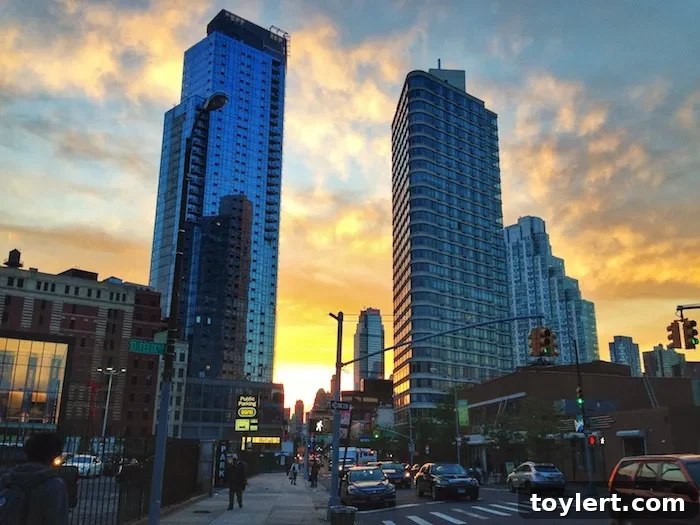
The landscape of Brooklyn is in a constant state of flux, driven by ambitious real estate projects and strategic urban planning. These developments not only add new housing and commercial spaces but also redefine the character of established neighborhoods and create new points of interest.
The Rise of New Architectural Visions: 635 4th Avenue
The unveiling of projects like 635 4th Avenue by NY YIMBY highlights the continuous expansion of Brooklyn’s urban footprint. Such revelations often signal the arrival of significant residential or mixed-use towers that contribute to the borough’s evolving skyline. These developments are crucial for accommodating Brooklyn’s growing population and demand for modern living spaces. They bring with them a blend of residential units, retail opportunities, and sometimes public amenities, all contributing to the economic vitality and contemporary appeal of their respective locales. The meticulous planning behind these structures ensures they integrate, to varying degrees, with the existing urban fabric while pushing the boundaries of architectural design and density.
Predicting Rapid Neighborhood Transformation
Complex magazine’s assertion about Eight Brooklyn Neighborhoods You Won’t Be Able to Recognize in Five Years speaks volumes about the accelerated pace of gentrification and development. This prediction underscores the rapid shifts occurring across various Brooklyn communities, driven by an influx of investment, new residents, and a changing commercial landscape. Neighborhoods once considered overlooked or industrial are swiftly becoming hotbeds for new businesses, trendy eateries, and high-end residential conversions. This transformation, while bringing economic growth and amenities, also sparks conversations about affordability, displacement, and the preservation of local character. It’s a testament to Brooklyn’s enduring appeal as a hub for creativity and opportunity, attracting diverse populations and fostering an ever-evolving urban environment.
Infrastructure and Community Services: The P.S. 338K Delay
Community infrastructure, particularly educational facilities, is vital for Brooklyn’s sustained growth. The news from Ditmas Park Corner about the Expected P.S. 338K Completion Pushed Back to 2017, underscores the challenges in delivering essential services amidst rapid development. Delays in school construction can have significant impacts on local families, school overcrowding, and the overall planning of a community. It highlights the intricate balance between managing urban expansion and ensuring that the necessary social infrastructure, like schools, keeps pace to support the growing needs of residents. These projects are not just about bricks and mortar; they are about investing in the future generation and maintaining a high quality of life for all Brooklynites.
Brooklyn’s Buoyant Real Estate Market and Luxury Living
Brooklyn’s real estate market continues to be one of the most dynamic in the nation, characterized by strong demand, innovative housing options, and a robust luxury segment. Investors and homeowners alike are drawn to the borough’s diverse offerings and promising appreciation.
New Housing Inventory: 77 Douglass in Boerum Hill
The commencement of sales at developments like Extra-Wide 77 Douglass in Boerum Hill, as reported by BBH, signifies the continuous replenishment of Brooklyn’s housing inventory. Boerum Hill, known for its charming streets and brownstones, is a highly sought-after neighborhood. The term “extra-wide” suggests a focus on spacious living, a luxury in New York City, catering to a demographic seeking more expansive urban residences. These types of projects often combine modern amenities with a nod to the neighborhood’s aesthetic, attracting discerning buyers who value both comfort and location. The launch of sales for such properties is a clear indicator of sustained confidence in Brooklyn’s upscale housing market.
Brooklyn’s High-Stakes Luxury Market
The “Closings of Note” by BK to the Fullest, focusing on Brooklyn’s $3 Million Dollar Market, illustrates the significant presence of luxury real estate transactions within the borough. This segment of the market caters to high-net-worth individuals and families, showcasing Brooklyn’s transformation into a premier destination for affluent living. The prevalence of multi-million dollar deals reflects the borough’s desirability, strong property values, and its competitive stance against Manhattan for luxury buyers. These closings are not just financial transactions; they represent substantial investments in Brooklyn’s future and underscore its status as a top-tier residential market, attracting global attention and a diverse pool of sophisticated buyers.
Lifestyle, Culture, and Community Spirit in Brooklyn
Beyond development and real estate, Brooklyn’s unique lifestyle, thriving cultural scene, and strong community engagement are what truly define it. From new retail experiences to vital green initiatives, the borough consistently enriches its urban tapestry.
The Evolving Retail Landscape: Rag & Bone in Cobble Hill
The opening of new retail establishments, such as Rag & Bone’s Cobble Hill Store, as covered by Racked, symbolizes the ongoing evolution of Brooklyn’s commercial corridors. This particular opening is notable for its tribute to the bar it replaced, signifying a trend where new businesses acknowledge and integrate with the historical context of their locations. The arrival of high-end brands like Rag & Bone into neighborhoods like Cobble Hill further solidifies Brooklyn’s reputation as a fashionable and desirable retail destination. It reflects the borough’s growing appeal to a more affluent consumer base and its ability to attract national and international brands while attempting to maintain local charm and identity.
Challenges in the Local Business Scene: Park Slope Eatery
The news from FIPS about a New Park Slope Eatery Cries Uncle provides a sobering look at the competitive and often challenging nature of the local restaurant industry in Brooklyn. Park Slope, known for its vibrant culinary scene, is also a highly saturated market. The closure of a new establishment, even in a popular neighborhood, highlights the significant hurdles faced by small businesses, including high operating costs, intense competition, and the constant pressure to attract and retain customers. It serves as a reminder that amidst all the growth and prosperity, the entrepreneurial spirit in Brooklyn requires resilience and innovative approaches to thrive.
Fostering Green Spaces: McGolrick Park Efforts
Community initiatives play a crucial role in enhancing the quality of life in Brooklyn. Greepointers’ call to Help Make McGolrick an “Urban Oasis” exemplifies the active engagement of residents in preserving and improving their local environment. Urban parks are vital green lungs in densely populated areas, offering respite, recreation, and community gathering spaces. Efforts to transform parks into “urban oases” involve landscaping, maintenance, and programming, often driven by volunteer work and local funding. These initiatives are essential for maintaining the ecological balance of the city, promoting public health, and strengthening community bonds around shared public spaces. They underscore the collective desire to balance urban development with natural beauty and accessibility.
Revitalizing Iconic Landmarks: Coney Island’s Thunderbolt
Coney Island, a historical emblem of Brooklyn’s entertainment legacy, continues its revitalization with attractions like the New Thunderbolt Loops the Loop Again, as reported by ATZ. The reintroduction of classic rides with modern twists is key to maintaining Coney Island’s appeal as a premier tourist destination and a beloved local spot. This blend of nostalgia and novelty helps to draw new generations while honoring the rich history of the amusement park. Such projects are significant not only for tourism and local economy but also for reinforcing Brooklyn’s identity as a place of fun, spectacle, and timeless entertainment. It symbolizes the borough’s commitment to preserving its iconic past while embracing future innovations.
Community Tensions and Development: 60 Clarkson
The mention of More Madness From 60 Clarkson by Q at Parkside, while vague, often alludes to ongoing community discussions, debates, or even controversies surrounding specific development projects. These “madness” headlines typically highlight the tensions that can arise when new construction or urban planning decisions meet community resistance or raise concerns about neighborhood impact. Whether it’s about zoning changes, building heights, or the nature of proposed establishments, such stories reflect the democratic and often contentious process of urban development in a city as diverse and opinionated as Brooklyn. They serve as a reminder that every change, big or small, has a human element and elicits passionate responses from those who call Brooklyn home.