St. Ann’s Warehouse: A Visionary Transformation of Brooklyn’s Historic Tobacco Warehouse
The DUMBO waterfront, a jewel in Brooklyn’s crown, has long been a place where history and modernity intertwine. Among its most iconic structures stands the venerable Tobacco Warehouse, a magnificent ruin that has captivated imaginations for generations. After years of diligent planning and navigating complex legal challenges, the esteemed performing arts institution, St. Ann’s Warehouse, has triumphantly secured its future, moving forward with its ambitious plans to transform this historic structure into a cutting-edge theatrical venue. This pivotal development marks a new chapter for both the cultural landscape of New York City and the beloved Brooklyn Bridge Park.
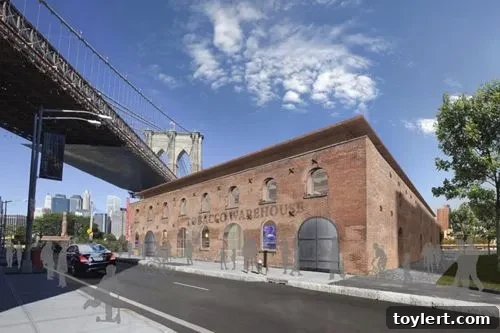
The excitement surrounding this project reached a new peak with the public release of stunning architectural renderings. These initial visuals, first published by The Architect’s Newspaper and subsequently highlighted by Curbed, offered a tantalizing glimpse into the future. They showcased a design philosophy that respectfully embraces the past while boldly stepping into the future. The core concept, masterfully conceived by H3 Architects, ensures that the “romantic ruins” of the Tobacco Warehouse — its weathered brick walls and skeletal remains — will be meticulously preserved, forming a dramatic shell for a modern, minimalist interior. This adaptive reuse approach is not merely about construction; it’s about storytelling, allowing the building’s rich history to resonate with contemporary artistic expression.
Beyond the primary theater space, the project envisions a significant enhancement to the public realm. A previously underutilized area situated directly beneath the majestic Brooklyn Bridge is slated for transformation into a vibrant public garden. This green oasis will not only offer tranquil respite but also feature a charming cafe with inviting outdoor seating, further enriching the experience for park visitors and theatergoers alike. This holistic approach underscores a commitment to community integration, ensuring that the Tobacco Warehouse’s rebirth serves not only the arts but also the broader public.
From Industrial Relic to Cultural Beacon: The Tobacco Warehouse’s Journey
The Tobacco Warehouse is more than just a building; it’s a testament to Brooklyn’s industrial past. Constructed in the 19th century, it played a vital role in the bustling port activities that defined the waterfront. Its robust brick architecture and imposing scale speak volumes of an era when DUMBO (Down Under the Manhattan Bridge Overpass) was a hub of commerce and industry. Over the decades, as maritime trade evolved, the warehouse fell into disuse, gradually succumbing to the elements and becoming a beautiful, albeit derelict, monument to a bygone era. Its evocative ruins, open to the sky, have long captured the imaginations of artists, photographers, and local residents, making it a powerful symbol of Brooklyn’s enduring spirit.
A Glimpse into History: The Tobacco Warehouse’s Past
Originally part of a complex of mercantile buildings, the Tobacco Warehouse’s sturdy construction was designed to withstand the rigors of its purpose: storing valuable goods, particularly tobacco, arriving by ship. Its strategic location near the Brooklyn Bridge, which opened in 1883, further cemented its importance in the city’s logistical network. While its primary function faded, its architectural grandeur remained, offering a stark contrast to the rapidly modernizing cityscape around it. The sheer scale and raw beauty of its brickwork, punctuated by cavernous openings, became an accidental sculpture, a piece of living history waiting for its next chapter.
St. Ann’s Warehouse: A Legacy of Innovation
Before its move to the Tobacco Warehouse, St. Ann’s Warehouse had already forged a remarkable reputation as a pioneering performing arts organization. For over three decades, St. Ann’s has been a crucible for experimental theater, music, and dance, championing avant-garde artists and presenting groundbreaking works that challenge conventions and inspire audiences. Founded in 1980 in the historic Church of St. Ann and the Holy Trinity in Brooklyn Heights, the organization consistently sought out unique, non-traditional venues that resonated with its artistic mission. Its temporary homes, often industrial spaces like its previous location on Water Street, allowed for immense creative flexibility, cementing its identity as a venue that transforms space and experience. The move to the Tobacco Warehouse is a natural evolution of this philosophy, allowing St. Ann’s to infuse a profoundly historic structure with new artistic life.
Navigating the Waters: The Legal Battle and its Resolution
The path to transforming the Tobacco Warehouse was not without its obstacles. For years, the fate of the building was embroiled in a complex legal and public debate. The controversy primarily revolved around the designation of the site as public parkland, which raised questions about the appropriateness of a private performing arts venue occupying such a significant public asset. This tension highlighted the broader challenges of urban development, balancing historic preservation, public access, and cultural enrichment.
The Public Parkland Debate
The legal challenges stemmed from a ruling that designated the Tobacco Warehouse as public parkland. This designation ignited a passionate debate among community groups, preservationists, and arts advocates. Concerns were raised about potential privatization of public space, limited access, and the commercialization of an irreplaceable historic structure. While many recognized the immense cultural value St. Ann’s Warehouse brought to Brooklyn, the principles of public ownership and access to parkland were fiercely defended. This period of contention underscores the vital role of community engagement and legal processes in shaping the future of significant urban spaces.
A Collaborative Victory: Paving the Way Forward
Ultimately, the legal problems were resolved through a collaborative effort involving various stakeholders, including city officials, community representatives, and St. Ann’s Warehouse itself. The resolution involved a nuanced deal that ensured St. Ann’s could proceed with its plans while guaranteeing substantial public benefits and maintaining the integrity of Brooklyn Bridge Park. This compromise was a testament to the power of dialogue and a shared vision for a vibrant, accessible waterfront. The agreement paved the way for the transformation, allowing the project to move from conceptual renderings to tangible construction, promising a future where art and public space coexist harmoniously.
Architectural Brilliance: Marrying Past and Present
The architectural challenge of transforming the Tobacco Warehouse was immense: how to create a modern, functional theater within a beloved, dilapidated ruin without sacrificing either its historical integrity or its potential as a cutting-edge performance space. H3 Architects, led by Principal John H. J. Lee, rose to this challenge with a design that is both reverent and innovative.
H3 Architects’ Vision: Preserving the “Romantic Ruins”
The brilliance of H3 Architects’ design lies in its respectful approach to the existing structure. Instead of demolishing and rebuilding, the plan calls for the preservation of the Tobacco Warehouse’s iconic exterior walls. These “romantic ruins” will serve as a dramatic, weather-worn envelope, a powerful reminder of the building’s past. Inside this shell, a new, acoustically sealed, and climate-controlled structure will be constructed. This ‘building within a building’ concept allows for the creation of a technologically advanced performance venue while keeping the historic facade intact. The contrast between the raw, historic exterior and the sleek, modern interior will create a unique aesthetic and sensory experience for visitors, making the very act of entering the theater a part of the artistic journey.
Designing for Performance: The State-of-the-Art Theater
The interior design prioritizes flexibility and functionality, reflecting St. Ann’s Warehouse’s commitment to diverse and experimental programming. The main performance space will feature adaptable seating configurations, allowing it to host a wide range of productions, from intimate plays to large-scale concerts and avant-garde performances. Advanced acoustic treatments, state-of-the-art lighting, and sophisticated stage mechanics will ensure that artists have the tools to realize their most ambitious visions. Beyond the main theater, the plans likely include rehearsal spaces, administrative offices, and public amenities, all designed to support a thriving artistic ecosystem within this extraordinary setting. The emphasis is on creating a venue that is both visually stunning and impeccably functional, a true home for the performing arts.
Seamless Integration with Brooklyn Bridge Park
A crucial aspect of the design is its integration with the surrounding Brooklyn Bridge Park. The project goes beyond merely placing a building in the park; it actively enhances the park experience. The new public garden beneath the Brooklyn Bridge, complete with a cafe and outdoor seating, will serve as a welcoming extension of the park, drawing visitors closer to the cultural hub. This thoughtful landscaping and public amenity provision ensure that the Tobacco Warehouse, while housing a specific cultural institution, remains an integral and accessible part of the public parkland. The pathways, views, and overall circulation are designed to create a harmonious flow between the theater, the garden, and the wider park, making it a destination that caters to diverse interests and needs.
The Broader Impact: A Cultural and Community Hub
The transformation of the Tobacco Warehouse into St. Ann’s Warehouse represents far more than just a new building; it signifies a profound investment in the cultural vitality and community spirit of Brooklyn.
Elevating Brooklyn’s Arts Scene
With its new permanent home, St. Ann’s Warehouse is poised to further cement Brooklyn’s reputation as a global epicenter for contemporary arts. The state-of-the-art facility will attract world-renowned artists and companies, offering residents unparalleled access to innovative performances. This cultural infusion will inspire local artists, foster new creative talent, and stimulate a vibrant dialogue around modern artistic expression. It solidifies Brooklyn as a destination for serious art lovers, drawing audiences from across the city and beyond.
Enhancing Public Space and Community Life
The inclusion of a public garden and cafe is a testament to the project’s commitment to community. This inviting outdoor space will provide a much-needed amenity for park visitors, offering a place for relaxation, social gatherings, and casual dining. It creates a seamless connection between the cultural venue and the recreational park, encouraging diverse groups of people to interact and engage with their surroundings. This thoughtful addition transforms a formerly derelict space into a lively public square, enhancing the quality of life for DUMBO residents and all who visit Brooklyn Bridge Park.
Economic and Social Catalysis
Projects of this scale invariably bring economic benefits. The construction phase generates jobs, and the operational phase of St. Ann’s Warehouse creates permanent employment opportunities in the arts, administration, and hospitality sectors. Furthermore, the enhanced cultural offerings and public amenities are likely to attract more tourists and visitors to the DUMBO area, boosting local businesses, restaurants, and shops. Beyond the economic impact, the presence of a thriving cultural institution fosters social cohesion, providing a shared space for communal experiences and artistic exploration, enriching the social fabric of the neighborhood.
The Future is Now: A New Chapter for St. Ann’s and Brooklyn Bridge Park
With the legal hurdles behind it and the architectural vision firmly in place, St. Ann’s Warehouse stands on the precipice of an exciting new era. Its move into the Tobacco Warehouse represents the culmination of years of dedication, advocacy, and artistic ambition. This project is a powerful example of adaptive reuse, demonstrating how historic structures can be reimagined to serve contemporary needs while honoring their past. It’s a bold statement about Brooklyn’s unwavering commitment to both preserving its heritage and embracing innovation in the arts. The synergy between St. Ann’s Warehouse and Brooklyn Bridge Park will undoubtedly create a dynamic cultural hub, a place where history, nature, and cutting-edge performance converge to offer a truly unique experience for all.
The transformation of the Tobacco Warehouse into St. Ann’s Warehouse is more than just a building project; it’s a testament to the power of vision, collaboration, and perseverance. It promises to be a landmark destination that will inspire generations, solidifying Brooklyn’s place on the global cultural map and enriching the lives of countless individuals through the transformative power of the performing arts.
Related Articles & Further Reading:
- Curtains Up: St. Ann’s to Transform a Warehouse [The Architect’s Newspaper]
- St. Ann’s Warehouse Moves Forward with H-3 Designed Theater [Curbed]
- Tobacco Warehouse to St. Ann’s in Bridge Park Deal [Brownstoner]
- Judge Rules Tobacco Warehouse is Public Parkland [Brownstoner]