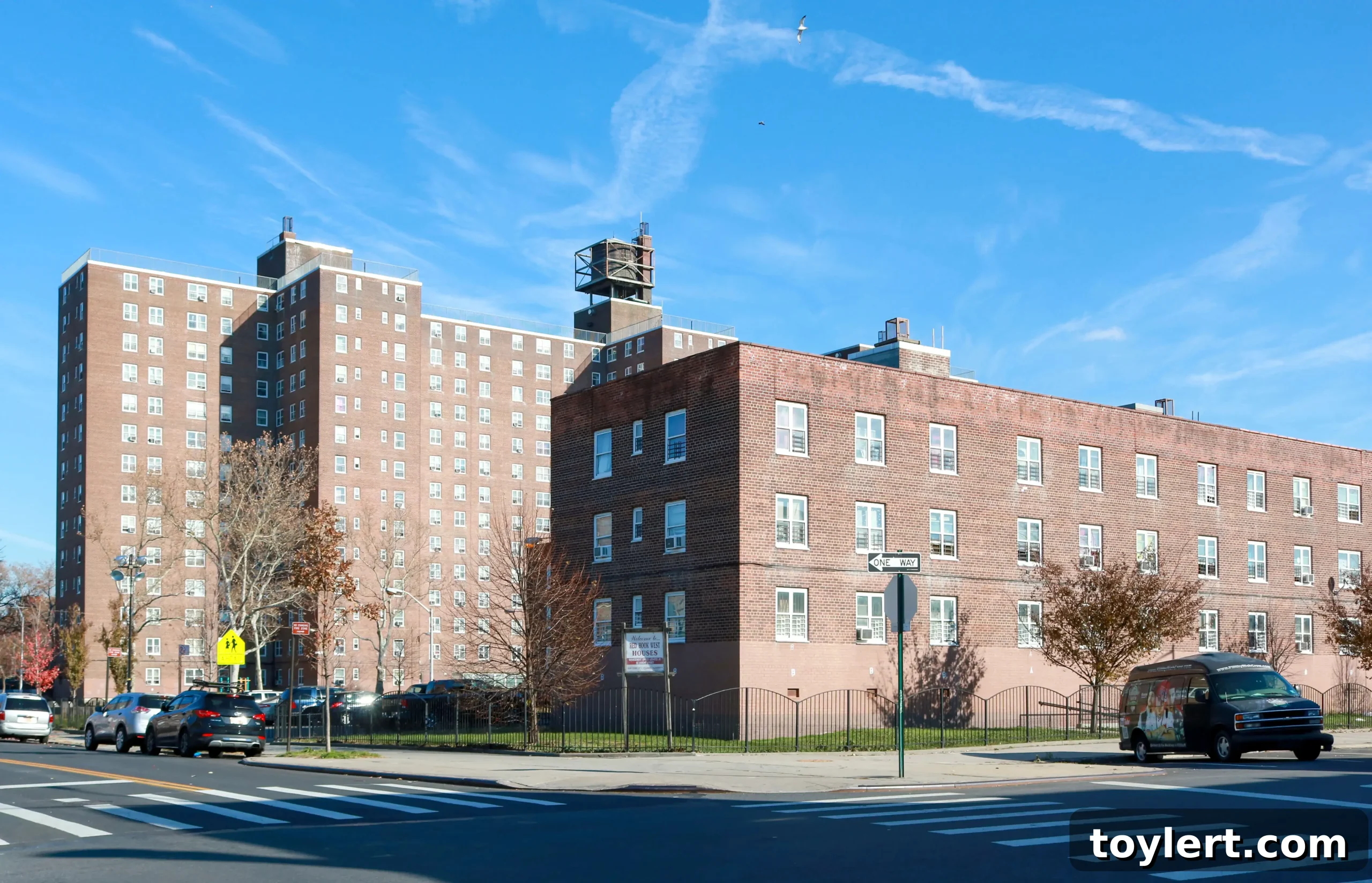
In a significant crackdown on public sector corruption, nine contractors have been formally charged with bribing superintendents within the New York City Housing Authority (NYCHA) in exchange for securing coveted small repair contracts. This announcement, made by Brooklyn District Attorney Eric Gonzalez on Monday, casts a stark light on what authorities believe is a far more extensive problem plaguing the city’s vital public housing system. The charges underscore a persistent challenge in ensuring integrity and accountability within the processes designed to maintain housing for hundreds of thousands of New Yorkers.
The extensive investigation, which spanned a diligent two-year period, saw city investigators bravely operate undercover as NYCHA superintendents in two prominent Brooklyn housing complexes: Red Hook Houses in the historic Red Hook neighborhood and Lafayette Gardens in vibrant Clinton Hill. The primary objective of this intricate sting operation was to identify and apprehend unscrupulous contractors attempting to offer illicit kickbacks. These bribes were offered with the explicit understanding that they would guarantee inflated contracts for minor, yet essential, maintenance tasks. Such tasks ranged from crucial window repairs and the installation of security-enhancing chain-link fences to detailed tile work, all critical for the upkeep and safety of these public housing facilities.
During the course of the undercover operation, the nine defendants allegedly tendered a total of 35 distinct bribes. These illicit offerings amounted to approximately $20,000 in cash, supplemented by two $500 gift cards, and even included four bottles of premium Johnnie Walker scotch – specifically, three Black Label and one White Label. This diverse array of bribes highlights the contractors’ willingness to use various means to illegally influence NYCHA staff and bypass standard procurement procedures, ultimately compromising the integrity of public service.
NYCHA, the largest public housing authority in North America, provides homes for over 400,000 low- and moderate-income New Yorkers across 335 developments. Its enormous scale makes it inherently vulnerable to corruption, especially when it comes to the vast number of repair and maintenance contracts required to keep its aging infrastructure functional. The implications of bribery within this system are profound, directly affecting the quality of life for residents who often endure substandard living conditions due to delayed or poorly executed repairs. When contractors resort to illegal kickbacks, it diverts funds that should be allocated to genuine, high-quality work, leading to a cycle of neglect and frustration for the communities NYCHA serves.
District Attorney Gonzalez emphasized the pervasive nature of this issue, stating that the problem extends far beyond the nine contractors and two housing complexes identified in this particular investigation. His declaration suggests a systemic vulnerability within NYCHA’s contracting processes, where small repair jobs – often urgent and routine – become opportunities for illicit financial gains. These smaller contracts, while individually less significant than large-scale construction projects, collectively represent a substantial portion of NYCHA’s operational budget and are critical for day-to-day tenant well-being. The alleged inflation of these contract values, coupled with the bribery, means that taxpayer money is being misused, and essential repairs are potentially being overlooked or performed inadequately by unqualified or dishonest entities.
The method of the investigation – placing undercover superintendents – proved highly effective in exposing these criminal acts. This tactic allowed law enforcement to gather direct evidence of solicitations and payments, providing a clear picture of how these bribery schemes operate. Such proactive measures are crucial in areas where corruption is often hidden behind layers of bureaucracy and informal agreements. The choice of Red Hook Houses and Lafayette Gardens was strategic, likely based on intelligence suggesting a higher propensity for such illegal activities, or perhaps as representative samples of the broader NYCHA landscape.
The charges against these nine individuals range from bribery to fraud, and if convicted, they face significant legal penalties including fines, imprisonment, and exclusion from future public contracting opportunities. This serves as a stern warning to other contractors who might consider engaging in similar illicit practices. Beyond the contractors, the investigation raises questions about the accountability of NYCHA staff, including the superintendents themselves. While the immediate focus is on those offering bribes, the possibility of other NYCHA employees being complicit or turning a blind eye to corruption remains a critical area for ongoing scrutiny.
This incident is not isolated; NYCHA has long grappled with challenges related to transparency, maintenance backlogs, and allegations of mismanagement. For years, residents have voiced concerns about neglected repairs, unsafe conditions, and a lack of responsiveness from management. Corruption at any level only exacerbates these existing problems, eroding public trust and undermining the very mission of providing safe, decent, and affordable housing. The systemic nature of these issues calls for comprehensive reforms that go beyond individual prosecutions. It necessitates a thorough overhaul of procurement processes, enhanced oversight mechanisms, and a culture of accountability at every level of the organization.
To combat widespread corruption, city officials and NYCHA leadership must implement robust preventative measures. This includes stricter vetting of contractors, mandatory ethics training for all employees involved in procurement, anonymous reporting systems for whistleblowers, and regular, unannounced audits of repair contracts. Furthermore, increasing transparency by making contract awards and repair schedules publicly accessible could deter illegal activities. Empowering tenant associations to monitor repair work and provide feedback could also add another layer of oversight, fostering a sense of community responsibility and accountability.
The Brooklyn District Attorney’s office has reiterated its commitment to rooting out corruption wherever it is found, particularly when it impacts vulnerable communities. This investigation sends a clear message that such behavior will not be tolerated and that those who seek to exploit public resources for private gain will be held responsible. Ensuring the integrity of NYCHA’s operations is paramount not only for the sake of fiscal responsibility but, more importantly, for the dignity and well-being of the hundreds of thousands of New Yorkers who call NYCHA developments home. The fight against corruption within public housing is a continuous battle, requiring vigilance, strong enforcement, and a steadfast dedication to ethical governance to restore and maintain public trust.