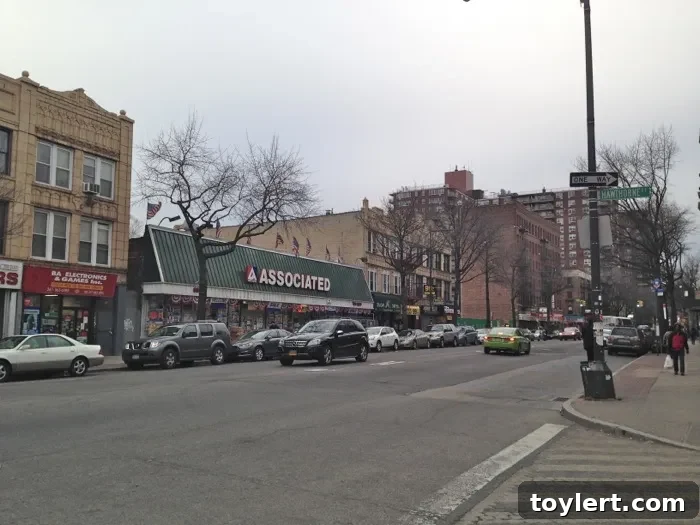
The Battle for Brooklyn’s Skyline: Community Board 9’s Pivotal Zoning Review in Prospect Lefferts Gardens and Crown Heights
In the vibrant heart of Brooklyn, two historic neighborhoods, Prospect Lefferts Gardens and Crown Heights, stand at a critical crossroads. A comprehensive zoning review, initiated by Community Board 9 (CB9) and conducted by City Planning, is poised to reshape their future, stirring passionate debate among residents, developers, and local leaders. This isn’t just about buildings; it’s about the very soul of these communities, their character, affordability, and the delicate balance between progress and preservation. The review, covering significant portions of District 9, including the bustling Flatbush Avenue and the commercially zoned Empire Boulevard, continues its trajectory despite a recent attempt to halt its progress, underscoring the high stakes involved for all parties.
A Critical Zoning Review Moves Forward Despite Opposition
The journey of this pivotal zoning review has been anything but smooth. Its continuation signifies a significant step forward for those advocating for a more regulated approach to development in an area experiencing immense growth pressure. This process, initiated by Community Board 9, reflects a proactive stance by local representatives to guide the development narrative rather than simply react to it. Understanding the motivations behind this request and the subsequent challenges it has faced is key to grasping the complexities of urban planning in a rapidly changing city like New York.
The Genesis of the Review: CB9’s Request
Community Board 9’s decision to request a zoning review was born out of growing concerns over unchecked development. As Brooklyn continues its meteoric rise as a desirable place to live and work, neighborhoods like Prospect Lefferts Gardens and Crown Heights have become prime targets for real estate investors. The influx of new residents and capital has driven up property values, but it has also led to anxieties about gentrification, displacement, and the potential loss of the unique architectural and cultural identity that defines these areas. Residents witnessed a surge in construction, often large-scale projects, that seemed to disregard the existing fabric of the community. This review seeks to proactively address these concerns by examining current zoning regulations and proposing amendments that better align with the community’s vision for sustainable growth.
A zoning review, in essence, is a meticulous examination of a district’s existing land-use rules. It allows city planners and community stakeholders to assess whether current regulations adequately serve the needs of the area, considering factors like population density, infrastructure capacity, historical preservation, and economic development. The goal is to identify areas where zoning might be outdated or where it might inadvertently encourage undesirable development patterns. For CB9, this meant scrutinizing how existing zoning facilitated the construction of towering buildings and whether it adequately protected the beloved low-rise aesthetic and diverse residential character of their neighborhoods.
The Attempt to Rescind: A Glimpse into Community Tensions
The path to implementing this review has not been without its internal strife. At a community board meeting held last month, a contentious motion to rescind the zoning review was put forth. This attempt, though ultimately unsuccessful, highlights the deep divisions and strong opinions within the community itself regarding development. Such efforts often stem from a variety of perspectives: some may fear that new zoning could stifle economic growth, complicate future development, or even lead to different, equally undesirable outcomes. Others might be wary of the city’s intervention, preferring the status quo or believing that any rezoning effort could be a Trojan horse for further gentrification and displacement, even if intended to curb it. The “chaos” reported at the meeting, as referenced in earlier reports, paints a vivid picture of the passionate and often conflicting viewpoints that characterize these critical discussions about urban development and community control.
The fact that the review is proceeding despite this internal resistance underscores the persistent urgency of the issues it aims to tackle. It suggests that a significant portion of the community board, and by extension the residents they represent, believes that a guided, comprehensive approach to zoning is essential for the long-term health and vitality of Prospect Lefferts Gardens and Crown Heights. This episode also serves as a stark reminder that even when working towards common goals like neighborhood preservation, the strategies and priorities can diverge significantly, leading to intense debates at the local governance level.
Key Areas Under Scrutiny: Flatbush Avenue and Empire Boulevard
The zoning review’s scope is expansive, encompassing key commercial and residential arteries that are experiencing distinct development pressures. Flatbush Avenue, with its established commercial vibrancy and critical transit links, and Empire Boulevard, currently defined by its commercial-only zoning, represent two unique challenges and opportunities for future planning. The decisions made regarding these specific corridors will have profound implications for the entire district.
Flatbush Avenue: The Rise of High-Rise Development
Flatbush Avenue, a major thoroughfare traversing the eastern side of Prospect Lefferts Gardens and Crown Heights, has become a focal point of the development debate. It’s here, as Laura Imperiale, first vice chair of Community Board 9, pointed out, that a towering 23-story development is already underway, a stark example of what can rise “as-of-right.” This term is crucial in understanding NYC’s development landscape: it means that the developer is building within the existing zoning parameters, requiring no special variances or public review process. Essentially, if their plans adhere to the current rules for height, bulk, and use, they can proceed without community input or oversight beyond standard building permits.
The emergence of a 23-story building in a predominantly low-rise residential area naturally sparks alarm. Such a structure casts long shadows over historic brownstones, potentially reducing natural light for blocks around. It adds significant stress to existing infrastructure, including already crowded public transportation lines, local schools, and sanitation services. Moreover, these large developments often bring with them market-rate luxury units, further accelerating gentrification and making the neighborhood less accessible to long-term residents and working-class families. The fear is that these “as-of-right” projects, while legal, can fundamentally alter the aesthetic and economic accessibility of the community without a chance for public discourse or modification.
Empire Boulevard: Navigating Commercial vs. Residential Zoning
Just a few blocks away, Empire Boulevard presents a different, yet equally complex, zoning challenge. Currently, certain blocks of Empire Boulevard are zoned exclusively for commercial use. This means that, unlike Flatbush Avenue, residential development is largely prohibited. Historically, this zoning might have served to foster a distinct commercial corridor, supporting local businesses and employment opportunities. However, in today’s housing-strapped New York City, commercially-zoned parcels often represent untapped potential for desperately needed housing, especially if they are underutilized or contain single-story structures that could be redeveloped.
The debate around rezoning Empire Boulevard is multifaceted. Proponents of rezoning argue that allowing mixed-use or residential development could alleviate housing shortages, bring new vitality to the street, and increase the tax base. They might envision a boulevard with ground-floor retail and apartments above, creating a more dynamic and pedestrian-friendly environment. However, opponents, like the community group MTOPP, express significant reservations. They fear that any rezoning, even with good intentions, could open the floodgates to speculative development, lead to the displacement of existing commercial tenants, and ultimately contribute to the same problems of high-rise construction and unaffordability seen on Flatbush Avenue. The question for City Planning and Community Board 9 is how to unlock the potential of Empire Boulevard without compromising the community’s desire to maintain its unique character and prevent unwelcome changes.
Preserving Character and Affordability: The Heart of the Debate
At its core, the zoning review is a struggle to define what “progress” means for Prospect Lefferts Gardens and Crown Heights. For many residents, it is not about stopping all development, but rather about ensuring that growth is thoughtfully managed, respects the existing urban fabric, and crucially, does not push out the very people who have built and sustained these communities for generations. The concepts of “neighborhood character” and “affordability” are not abstract ideals here; they are tangible qualities that residents fight fiercely to protect.
The Threat to Neighborhood Character
What constitutes “neighborhood character” in Prospect Lefferts Gardens and Crown Heights? It’s a tapestry woven from the area’s rich history, its distinctive architecture, and its vibrant community life. It encompasses the stately tree-lined streets, the rows of elegant brownstones and limestones, the pre-war apartment buildings, and the local businesses that have served residents for decades. This character fosters a sense of place and belonging that is increasingly rare in a city constantly reinventing itself. High-rise developments, with their often generic designs and overwhelming scale, are perceived as direct threats to this cherished identity. They can disrupt historic streetscapes, overwhelm existing infrastructure, and fundamentally change the visual and social dynamics of blocks that have remained relatively consistent for over a century. The loss of sunlight, increased traffic, and the sheer visual dominance of towering structures are all cited as direct assaults on the unique charm and livability of these neighborhoods.
The Affordability Crisis in Brooklyn
Hand-in-hand with the preservation of character is the urgent issue of affordability. Brooklyn, once a more accessible alternative to Manhattan, has seen housing costs skyrocket, pushing out long-time residents, artists, and working-class families. New high-rise developments, especially those built “as-of-right” without mandatory affordable housing components, primarily cater to high-income residents, further exacerbating the affordability crisis. These luxury units drive up property values and rents in surrounding areas, making it impossible for many to remain in their homes or for new families to move in. The zoning review, therefore, is not merely an exercise in urban planning; it’s a desperate plea to ensure that these neighborhoods remain diverse and accessible to people of all income levels. Community groups are advocating for zoning changes that would mandate higher percentages of truly affordable housing in new developments, or even prevent the types of developments that accelerate displacement.
Voices from the Community: PPEN, MTOPP, and the Broader Movement
The robust community activism surrounding this zoning review highlights the critical role local organizations play in shaping urban development. Groups like the Prospect Park East Network (PPEN) and the Movement to Protect the People (MTOPP) are at the forefront, mobilizing residents, conducting research, and advocating for specific zoning outcomes. While both share a common goal of protecting their neighborhoods, their approaches and specific demands offer a nuanced look at community organizing.
PPEN: Advocating for Limits
The Prospect Park East Network (PPEN) is one of several influential community groups calling for more stringent limits on high-rise development in Prospect Lefferts Gardens. Their advocacy often focuses on the direct impact of tall buildings on quality of life – concerns about increased density, traffic congestion, strain on public services, and the visual intrusion of towers in a historically low-rise area. PPEN typically engages with City Planning and the Community Board through reasoned arguments, data analysis, and community meetings to propose zoning amendments that would restrict building heights and preserve the existing scale of the neighborhood. Their work reflects a desire for managed growth, where new development is integrated thoughtfully rather than imposed disruptively, seeking a balance that allows for some development while maintaining the integrity of the community.
MTOPP: A Stricter Stance on Development and Rezoning
The Movement to Protect the People (MTOPP) takes an even more robust and comprehensive stance, articulating strong opposition to both high-rise development and *any* rezoning of Empire Boulevard. This position often stems from a deeper skepticism about the intentions and outcomes of rezoning efforts, viewing them as mechanisms that primarily benefit developers at the expense of existing communities. MTOPP argues that even well-intentioned rezoning can ultimately lead to gentrification, displacement, and a loss of community control. Their opposition to any rezoning of Empire Boulevard, specifically, suggests a preference for maintaining the status quo on that corridor, perhaps believing that its current commercial-only zoning acts as a bulwark against the kind of residential high-rise development they fear. This group’s activism emphasizes the potential for rezoning to be a slippery slope towards further unwanted changes, advocating instead for strict adherence to existing protections and a heightened focus on community self-determination.
The differing, yet complementary, stances of groups like PPEN and MTOPP illustrate the dynamism of community activism in New York City. They collectively underscore the urgent need for city planners to engage deeply with residents and to understand the diverse fears, hopes, and visions that animate discussions about land use and development. These groups are not merely reactive; they are actively shaping the conversation and influencing the future of their neighborhoods.
The Future of Prospect Lefferts Gardens and Crown Heights: What’s Next?
With the zoning review firmly underway, the focus now shifts to its potential outcomes and the long-term implications for Prospect Lefferts Gardens and Crown Heights. The process is typically lengthy and involves multiple stages of analysis, public hearings, and negotiations between city agencies, community boards, and residents.
City Planning will analyze the existing zoning, demographic trends, infrastructure capacity, and the community’s input to formulate potential recommendations. These recommendations could range from minor adjustments to significant overhauls of zoning districts. Possible outcomes include:
- Height and Bulk Restrictions: New zoning could impose stricter limits on building heights and overall bulk, particularly along corridors like Flatbush Avenue, to better align new construction with the existing neighborhood scale.
- Mandatory Inclusionary Housing: If rezoning leads to increased density or new residential capacity, the city might implement mandatory inclusionary housing requirements, compelling developers to include a certain percentage of affordable units in their projects.
- Mixed-Use Zoning for Empire Boulevard: For Empire Boulevard, City Planning might propose a carefully crafted mixed-use zoning that allows for residential units above ground-floor retail, but perhaps with height limits and specific design guidelines to mitigate community concerns.
- Contextual Zoning: This type of zoning aims to preserve the physical character of a neighborhood by controlling the height, bulk, and setback of new buildings, ensuring they blend harmoniously with surrounding structures.
The ultimate goal for many is to foster a model of sustainable growth that serves current residents while accommodating the city’s need for more housing. This involves a delicate balancing act: addressing the housing crisis without sacrificing the unique character and affordability that make these Brooklyn neighborhoods so desirable. The ongoing dialogue between residents, community boards, and city agencies will be crucial in ensuring that the final decisions reflect a genuine commitment to community well-being and equitable development. The future of Prospect Lefferts Gardens and Crown Heights hinges on the integrity and impact of this pivotal zoning review, setting a precedent for how similar growth challenges might be addressed across New York City.