Discovering Brooklyn’s Enduring Charm: The Architectural Legacy of 87-93 Cambridge Place
Brooklyn stands as a testament to rich architectural heritage, a borough where every street tells a story, and every building holds a piece of history. Among its most beloved treasures are the iconic row houses, structures that define the very essence of urban living and historical elegance. This article shines a spotlight on a particularly captivating block, 87-93 Cambridge Place, nestled within one of Brooklyn’s most cherished neighborhoods, offering a glimpse into the timeless appeal of these architectural gems.
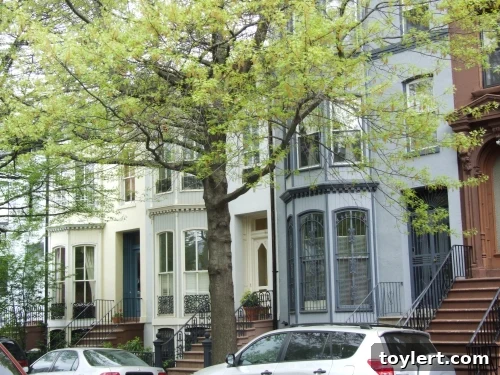
The image above beautifully captures the stately presence and intricate detailing typical of Brooklyn’s historic row houses. These residences are more than just buildings; they are living monuments to an era of craftsmanship and community planning that continues to inspire awe and admiration. Exploring these homes, one building at a time, reveals the layers of history, design, and cultural significance that make Brooklyn so unique.
Cambridge Place: A Beacon of Brooklyn Brownstone Grandeur
Cambridge Place, particularly the stretch encompassing 87-93, exemplifies the architectural splendor that makes Brooklyn’s historic districts so sought after. Located in a tranquil yet vibrant area, often considered the nexus of Clinton Hill and Fort Greene, this block is a prime example of late 19th-century urban residential development. These row houses, commonly referred to as brownstones due to their distinctive reddish-brown sandstone facades, reflect a period of immense growth and prosperity in Brooklyn.
A Glimpse into History: The Evolution of Brooklyn Row Houses
The story of Brooklyn’s row houses begins in the mid-19th century, as the borough rapidly transformed from a collection of rural villages into a bustling urban center. The burgeoning middle class and an influx of new residents created a demand for sophisticated yet practical housing. Row houses emerged as the ideal solution, offering efficient use of urban land while providing spacious and elegant homes for families. Architects of the era drew inspiration from a variety of European styles, resulting in a rich tapestry of designs including Italianate, Neo-Grec, Romanesque Revival, and Queen Anne.
The Italianate style, popular in the mid-1800s, often features ornate cornices, tall arched windows, and decorative stoops. As the century progressed, the Neo-Grec style introduced more geometric and classical elements, followed by the robust, often fortress-like appearance of Romanesque Revival. The Queen Anne style, with its irregular massing, turrets, and varied textures, brought a more whimsical and eclectic touch towards the end of the century. These architectural movements collectively shaped the diverse and visually rich streetscapes we admire today.
Architectural Features of 87-93 Cambridge Place
While specific historical records for 87-93 Cambridge Place might highlight unique characteristics, these residences generally boast the hallmarks of Brooklyn’s finest row house architecture. Expect to find meticulously preserved brownstone facades, often adorned with elaborate decorative elements such as carved lintels, pilasters, and intricate ironwork on the stoops and railings. The multi-story structures typically feature high ceilings, generously proportioned rooms, and large windows that flood the interiors with natural light. Original details, such as ornate plaster moldings, marble fireplaces, pocket doors, and parquet flooring, are frequently retained, adding to their historical authenticity and charm.
The layout of these homes often follows a traditional pattern: a grand parlor floor for entertaining, multiple bedrooms on upper floors, and a garden level that might include the kitchen and dining area, often opening out to a private backyard garden. These rear gardens are an invaluable feature in urban settings, providing serene green spaces for relaxation and outdoor living, a treasured amenity in the heart of Brooklyn.
The Enduring Appeal of Brownstone Living
Living in a Brooklyn row house is an experience steeped in character and community. Beyond their aesthetic appeal, these homes offer a unique lifestyle that balances historical grandeur with modern convenience. Residents often speak of the strong sense of neighborhood, the tree-lined streets, and the proximity to vibrant cultural institutions, boutique shops, and diverse culinary scenes.
The durability of their construction, typically brick and brownstone masonry, ensures that these buildings have stood the test of time, weathering over a century of urban life. Modern renovations frequently blend contemporary design and amenities with the preservation of historical details, creating living spaces that are both luxurious and deeply rooted in their past. This blend of old and new is a key factor in their sustained popularity and high value.
Cambridge Place: A Neighborhood Gem
Cambridge Place’s appeal extends beyond its architecture to its prime location. The surrounding neighborhood is renowned for its charming blocks, historic district protections, and a welcoming community atmosphere. Residents benefit from easy access to beautiful parks like Fort Greene Park, known for its historic monument, farmer’s market, and recreational facilities. The cultural vibrancy of the area is undeniable, with BAM (Brooklyn Academy of Music) offering world-class performing arts, and a plethora of independent galleries and theaters.
Transportation links are excellent, providing convenient access to Manhattan and other parts of Brooklyn, making it an attractive location for professionals and families alike. The mix of historic residences, green spaces, and urban amenities creates a highly desirable living environment, solidifying Cambridge Place’s status as a quintessential Brooklyn address.
Preservation Efforts and Modern Adaptations
The sustained beauty and integrity of Brooklyn’s row houses, including those on Cambridge Place, are largely due to dedicated preservation efforts. Many areas are designated as historic districts, protecting their architectural character and ensuring that renovations adhere to strict guidelines. This commitment to preservation ensures that the unique streetscapes and historical fabric of the neighborhood remain intact for future generations.
However, preservation doesn’t mean stagnation. Owners of these historic homes continually undertake thoughtful renovations, adapting interiors to suit contemporary lifestyles while respecting the original architectural intent. This often involves updating kitchens and bathrooms with modern fixtures, enhancing energy efficiency, and reconfiguring layouts for open-plan living, all while carefully restoring original details like plasterwork, woodwork, and flooring. The result is a seamless fusion of historical charm and modern comfort, allowing these grand old homes to remain relevant and desirable in the 21st century.
The Investment and Cultural Significance of Brooklyn Row Houses
Beyond their aesthetic and historical value, Brooklyn row houses represent a sound investment. Their scarcity, combined with their enduring appeal and prime locations, contributes to their sustained demand and appreciation in value. For many, owning a brownstone is not just about acquiring property; it’s about investing in a piece of New York City’s history and becoming a steward of its architectural legacy.
Culturally, these homes are iconic. They have been featured in countless films, television shows, and novels, symbolizing a quintessential New York experience. They embody a particular vision of urban life: sophisticated, rooted in history, and deeply connected to a vibrant community. The charm of strolling down a tree-lined street like Cambridge Place, admiring the intricate details of each facade, is an experience that captures the heart of Brooklyn.
Conclusion: Celebrating Brooklyn’s Enduring Architectural Narrative
The row houses at 87-93 Cambridge Place serve as a magnificent embodiment of Brooklyn’s architectural narrative. They stand as proud reminders of a bygone era, yet seamlessly integrate into the fabric of contemporary urban life. From their meticulously crafted facades to their rich interior details and their setting within a dynamic, historic neighborhood, these homes continue to captivate and inspire. They are not merely structures; they are custodians of history, testaments to enduring design, and vibrant homes that define the unique spirit of Brooklyn, one exquisite building at a time.