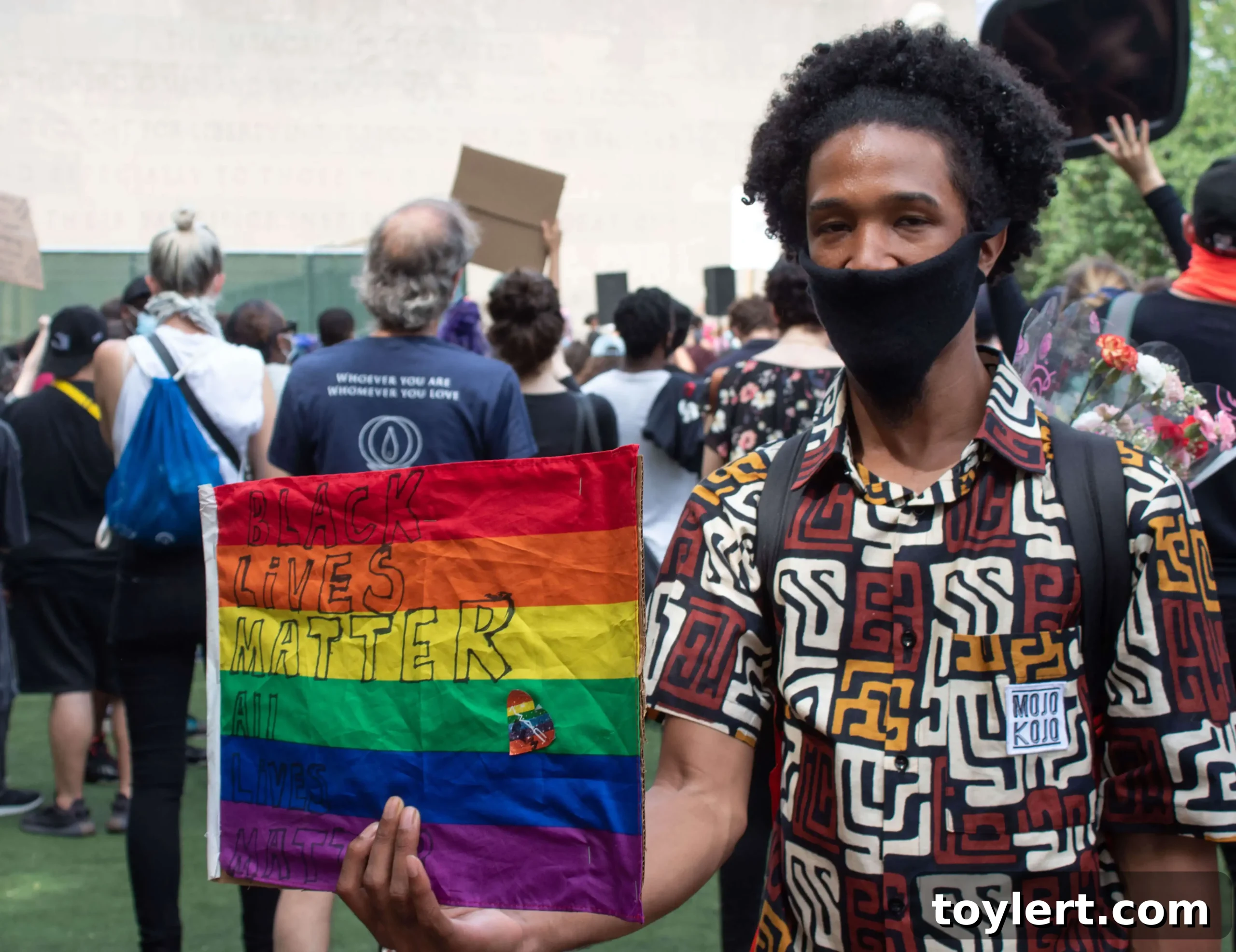
Unprecedented Curfew Chaos and Police Actions Gripped Brooklyn Amidst George Floyd Protests
The streets of Brooklyn, typically a vibrant tapestry of community life and peaceful expression, became a focal point of intense scrutiny and concern during a series of powerful demonstrations in the wake of George Floyd’s tragic death. What began as a widespread outpouring of grief and demands for justice frequently escalated into confrontations, particularly during two pivotal evenings: Wednesday and Thursday night. These evenings witnessed significant police crackdowns on peaceful protesters, raising profound questions about the right to assembly, the appropriate use of force, and the impact of city-wide curfews on both demonstrators and the vital essential workforce of New York City.
The narrative emerging from these nights painted a concerning picture of disorder and an acute lack of communication from authorities. Beyond the direct clashes, a substantial consequence of the swiftly imposed curfew and police actions was the severe disruption to essential services and the lives of those who provide them. Medical personnel, delivery drivers, and other crucial workers found themselves caught in an unforgiving urban landscape, unable to navigate barricades and sudden closures, highlighting a profound disconnect between policy implementation and practical realities.
The Escalation of Police Response and Civil Liberties
The demonstrations in Brooklyn were a microcosm of a nationwide movement, born from a collective anguish over systemic injustice and police brutality. Thousands took to the streets, overwhelmingly peaceful, to voice their outrage and advocate for meaningful change. However, as the evenings progressed, particularly on Wednesday and Thursday, the atmosphere shifted dramatically. Reports from various sources, including eyewitness accounts and journalist reports, detailed instances where police response intensified, moving from crowd management to what many described as violent crackdowns.
Protesters, many adhering to peaceful demonstration principles, faced aggressive tactics. Arrests often occurred en masse, sometimes without clear warnings or opportunities for dispersal. The use of force, including batons and pepper spray, against non-violent individuals became a recurring theme, fueling public debate and further eroding trust between law enforcement and the communities they serve. These confrontations were not isolated incidents but seemed to reflect a broader, more aggressive stance taken by authorities as the city grappled with maintaining order amidst widespread dissent. The fundamental right to peaceful assembly, a cornerstone of democratic societies, appeared to be severely challenged under the weight of an escalating police presence and the strict enforcement of an city-wide curfew.
The impact of such actions extended beyond the immediate physical confrontations, leaving a lasting psychological and societal imprint. It sparked extensive discussions among civil rights advocates, legal experts, and community leaders about the proportionality of police responses, the importance of de-escalation training, and the necessity of protecting citizens’ constitutional rights even during times of heightened tension. The events served as a stark reminder of the delicate balance between public safety and the preservation of fundamental freedoms.
Essential Workers Caught in the Curfew’s Crossfire
One of the most troubling aspects of the curfew’s implementation and the subsequent police operations was its severe impact on essential workers. These individuals, already at the forefront of the city’s battle against a global pandemic, found their crucial work jeopardized and their safety compromised by the very measures intended to restore order.
The Lifeline Strained: Medical Personnel
Medical personnel, including doctors, nurses, and other healthcare providers, are the bedrock of New York City’s public health infrastructure. Their shifts often extend late into the night, and their ability to travel freely between hospitals, clinics, and their homes is paramount. Yet, during the peak of the curfew enforcement, many reported being stopped, delayed, or outright prevented from reaching their destinations. Police barricades, hastily erected across major thoroughfares, bridges, and even access points to subway stations, offered no exceptions. Despite carrying identification proving their essential worker status, healthcare professionals often faced confusion and resistance from officers on the ground. This not only created immense personal stress for these dedicated individuals but also posed a significant risk to patient care, as critical staff struggled to arrive at or depart from their workplaces in a timely manner. The lack of clear guidelines or rapid communication mechanisms for essential travel exemptions highlighted a systemic flaw in the curfew’s execution.
Delivery Drivers: A Vital Service Interrupted
Similarly, the legion of delivery people—ferrying food, medicine, and other necessities across the city—found themselves in an untenable situation. Many rely on bicycles, mopeds, or public transport to navigate New York’s complex urban environment. As early as 6 p.m. on Thursday night, well ahead of the official curfew, police began shutting down critical infrastructure, including bridges, subway stations, and bike share services. This preemptive shutdown stranded countless delivery drivers, not only preventing them from completing their routes but also leaving them with no means of getting home. The sudden and unannounced nature of these closures exacerbated the chaos, leaving both drivers and citizens relying on their services in a precarious limbo. For many, this also meant a significant loss of income for a shift that was cut short, adding financial strain to an already challenging profession.
The Curfew, Chaos, and Stranded Citizens
The imposition of a city-wide curfew was intended to disperse crowds and prevent further unrest. However, the manner in which it was enforced, particularly the unannounced and early closures of public transport and transit routes, led to widespread confusion and left thousands of citizens stranded across the city. The proactive shutdown of bridges, subway lines, and bike share systems without ample warning created a scenario where commuters, essential workers, and even residents simply trying to return home found themselves without viable options for mobility. Imagine leaving work, only to find your usual bridge closed, your subway line terminated, and no public transportation available, all hours before the officially announced curfew time.
This logistical nightmare trapped individuals in various parts of the city, forcing many to embark on long, often unsafe, walks home or to seek shelter with strangers. The suddenness of these closures underscored a critical failure in public communication and planning, demonstrating how measures intended for public order could inadvertently create significant public distress and even danger. The experience of being stranded became a common and distressing narrative, painting a picture of a city struggling to manage an extraordinary situation with inadequate and heavy-handed tactics, further alienating a public already weary from the pandemic and frustrated by social injustices.
Threats to Press Freedom and Accountability
Amidst the chaos and confrontations, the role of the press in documenting events and holding power accountable became more crucial than ever. Yet, journalists covering the protests frequently faced their own challenges, including intimidation and direct interference from law enforcement. The experience of one reporter, shared via social media, vividly illustrated this troubling dynamic:
A white shirt officer tells me, “we gave you a chance to leave.” I inform him curfew doesn’t apply to me, he charges me and says, “you got a problem? I’ll take your fucking press pass.”
— ben (@meatballmuligan) June 5, 2020
This account from a journalist on June 5, 2020, highlights a serious concern: the disregard for press credentials and the explicit threats against a reporter attempting to perform their duty. Journalists are considered essential workers, and their presence during protests is vital for ensuring transparency and informing the public. Under established legal precedents, the press holds a protected status to cover public events, including demonstrations and police actions. The threat to confiscate a press pass, coupled with an aggressive stance despite the journalist’s lawful presence, represents a direct infringement on press freedom. Such incidents not only endanger individual reporters but also undermine the public’s right to accurate and timely information, especially during critical moments of civic unrest. It raises serious questions about police accountability and the respect for constitutional rights, including freedom of the press, during challenging public order operations.
The Broader Impact and Call for Reform
The events of these nights in Brooklyn and across New York City sparked widespread condemnation and renewed calls for significant police reform. The collective experiences of protesters, essential workers, and journalists alike converged to paint a picture of a system under immense strain, often responding with force rather than de-escalation, and with policy implementations that lacked nuance and foresight.
Community leaders, advocacy groups, and concerned citizens demanded clearer guidelines for police conduct during protests, greater transparency in disciplinary actions, and a fundamental reassessment of how curfews and emergency powers are utilized. The incidents further fueled the ongoing national conversation about systemic racism, police accountability, and the need for comprehensive criminal justice reform that prioritizes community well-being and civil liberties. The memory of stranded citizens and threatened journalists served as powerful reminders that even in the pursuit of order, fundamental rights must not be sacrificed, and the mechanisms of justice must apply equally to all.
Conclusion: Reflecting on Rights and Responsibilities
The tumultuous nights in Brooklyn during the George Floyd protests underscored a critical tension between maintaining public order and upholding civil liberties. The violent crackdowns on peaceful demonstrators, the stranding of essential workers, and the challenges faced by the press were not merely isolated incidents but symptoms of a larger societal and systemic issue. They highlighted the profound human cost when emergency measures are implemented without adequate planning, communication, or respect for fundamental rights.
Moving forward, it is imperative that lessons are learned from these events. Cities must develop more humane and effective strategies for managing protests, ensuring that the rights to peaceful assembly and freedom of the press are unequivocally protected. Furthermore, clearer protocols are needed to safeguard essential workers during times of crisis, recognizing their indispensable role in urban functioning. Ultimately, the events in Brooklyn served as a powerful reminder of the ongoing struggle for justice, accountability, and the delicate balance required to ensure a society where all citizens can exercise their rights without fear of undue force or systemic impediment.