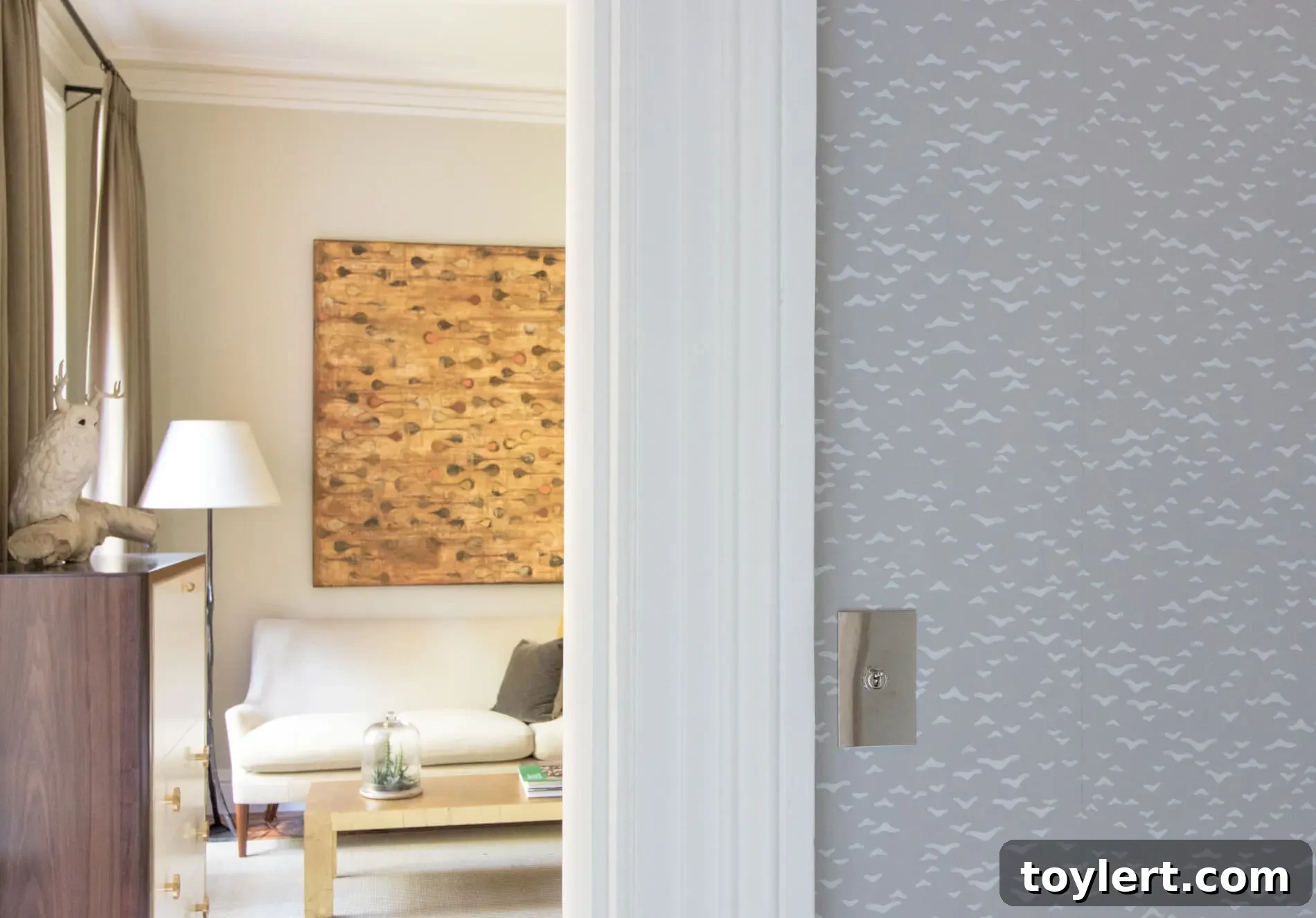
PVC Crown Molding vs. Wood: A Landlord’s Ultimate Guide to Apartment Upgrades
As a landlord, enhancing the aesthetic appeal and value of your rental properties is a smart investment. Crown molding, a timeless architectural detail, is an excellent way to add sophistication and character to any apartment. However, when considering this upgrade, a crucial decision arises: should you opt for traditional wood or modern synthetic materials like PVC? This comprehensive guide delves into the pros and cons of both options, offering insights to help landlords make an informed choice that aligns with their budget, aesthetic goals, and long-term property management strategy.
Understanding the Appeal of Crown Molding in Rental Properties
Crown molding serves a dual purpose: it aesthetically bridges the transition between walls and ceilings, adding a layer of architectural detail that elevates a room’s perceived value, and it can conceal minor imperfections along the ceiling line. For landlords, this translates into several benefits:
- Increased Rental Appeal: Apartments with elegant finishes often attract higher-quality tenants and can command slightly higher rents.
- Enhanced Interior Design: Crown molding adds a touch of luxury and completeness to a room, making it feel more refined and polished.
- Perceived Value: Tenants often associate crown molding with higher-end properties, contributing to a sense of quality and attention to detail.
- Disguising Imperfections: It can effectively hide uneven ceiling lines or minor cracks where walls meet the ceiling, common in older buildings.
The contractor’s suggestion of PVC molding over wood due to its character-adding potential at a cheaper price point is a common one, reflecting the evolving landscape of building materials. Let’s explore each option in detail.
The Classic Choice: Wood Crown Molding
Wood crown molding has been the gold standard for centuries, revered for its natural beauty, durability, and versatility. It offers an authentic, high-end finish that is difficult to replicate.
Pros of Wood Crown Molding:
- Timeless Aesthetics: Wood provides an unparalleled warmth, richness, and classic elegance. Its natural grain patterns and textures add an authentic, high-quality feel that synthetic materials often struggle to match. This timeless appeal ensures your property maintains a sophisticated look for decades.
- Versatility in Finishing: Wood molding can be stained to highlight its natural beauty, painted to match any decor, or left unfinished for a rustic look. This flexibility allows landlords to customize the appearance to suit various apartment styles, from historical brownstones to modern lofts.
- Durability and Longevity: High-quality wood, properly installed and maintained, can last a lifetime and beyond. It can withstand minor impacts and, if damaged, can often be repaired rather than fully replaced.
- Solid Feel: Wood molding has a substantial, solid feel that contributes to the overall perception of quality in a property. This tactile experience can significantly impact a tenant’s impression of the apartment.
- Increased Property Value: Genuine wood architectural elements are often seen as upgrades that contribute positively to a property’s market value and rental potential, especially in upscale markets.
- Eco-Friendly Options: For environmentally conscious landlords, sustainably sourced wood (FSC certified) offers an eco-friendlier option compared to petroleum-based synthetics.
Cons of Wood Crown Molding:
- Higher Cost: The most significant drawback is the expense. Quality wood molding materials are considerably more expensive than PVC, and the installation labor cost is also typically higher due to the precision and skill required.
- Installation Complexity: Wood molding is heavier and less flexible than PVC, making it more challenging to install, especially around corners and curved walls. Coping joints (cutting a profile to fit against another) are intricate and require experienced carpenters. Mistakes can be costly.
- Susceptibility to Moisture and Pests: Wood is vulnerable to moisture, which can lead to warping, rotting, mold, and mildew, particularly in high-humidity areas like bathrooms and kitchens. It is also susceptible to termites and other wood-boring pests, requiring careful treatment and maintenance.
- Maintenance Requirements: Wood molding needs to be painted or stained periodically to maintain its appearance and protect it from environmental factors. Chips and dents may require sanding and touch-ups.
- Expansion and Contraction: Wood naturally expands and contracts with changes in humidity and temperature, which can lead to minor gaps appearing over time, particularly at joints.
- Weight: Its weight can make handling and installation more cumbersome for installers, potentially increasing labor time and costs.
Common wood types for molding include pine (most affordable, easy to work with), poplar (paints well, good value), oak (durable, strong grain), and maple (hard, smooth finish). The choice of wood also impacts cost and aesthetics.
The Modern Alternative: PVC and Synthetic Crown Molding
Synthetic materials, primarily cellular PVC (polyvinyl chloride) and polyurethane, have emerged as popular alternatives to wood. They offer a range of practical benefits, particularly for landlords looking for cost-effective and low-maintenance solutions.
Pros of PVC/Synthetic Crown Molding:
- Cost-Effectiveness: Synthetic moldings are significantly cheaper than most wood options, both in terms of material cost and potentially labor due to easier installation. This makes them highly attractive for budget-conscious landlords or large-scale renovations.
- Exceptional Moisture Resistance: This is arguably the biggest advantage. PVC and polyurethane are impervious to water, making them ideal for high-humidity environments such as bathrooms, kitchens, basements, and laundry rooms. They will not rot, warp, or swell due to moisture, eliminating concerns about mold and mildew.
- Pest Resistance: Unlike wood, synthetic materials are not a food source for termites or other pests, offering landlords peace of mind and reducing potential repair costs.
- Ease of Installation: PVC molding is lightweight and often more flexible than wood, making it easier to cut, handle, and install. It can be cut with standard woodworking tools and often requires less intricate joinery. Many types come pre-primed or even pre-finished, saving time and labor on site.
- Durability and Low Maintenance: These materials are highly resistant to dents, scratches, and everyday wear and tear. They do not require regular painting or staining for protection, though they can be painted if desired. Cleaning is typically effortless, requiring just a wipe down with a damp cloth.
- Consistency: Synthetic moldings are manufactured to exact specifications, ensuring consistent profiles and dimensions throughout an entire project. This uniformity can simplify installation and improve the finished look.
- No Expansion/Contraction (Less Significant): While temperature changes can cause some expansion and contraction, it is generally less pronounced and less problematic than with wood, especially when proper installation techniques are followed (e.g., leaving small gaps for expansion).
Cons of PVC/Synthetic Crown Molding:
- Aesthetic Limitations: While modern synthetic moldings have improved significantly in mimicking wood, they can still lack the natural warmth, depth, and unique grain patterns of real wood. Up close, some may perceive them as less authentic or “plastic-like.”
- Limited Finishing Options: PVC and polyurethane moldings are primarily designed to be painted. Staining is generally not an option, which limits design flexibility if a natural wood look is desired.
- Potential for Expansion/Contraction (Temperature): While less affected by moisture, synthetic materials can expand and contract more noticeably with temperature fluctuations, especially long runs or in areas with significant temperature swings. This can lead to visible gaps at joints if not installed correctly (e.g., using expansion adhesives or leaving small gaps).
- Environmental Concerns: The production and disposal of PVC can raise environmental concerns, as it is a petroleum-based plastic. While some manufacturers are adopting more sustainable practices, it remains a consideration for eco-conscious landlords and tenants.
- Not as Rigid as Wood: While flexibility can be an advantage during installation, PVC is generally less rigid than solid wood, which might make it feel less substantial to some.
- Difficult to Repair: If significantly damaged, synthetic moldings are often harder to repair seamlessly than wood. Replacement of the entire section might be necessary.
Cellular PVC is a solid, foamed plastic product that can be cut, nailed, and painted just like wood. Polyurethane is a dense foam that is lighter than wood but very durable, often used for more intricate, decorative profiles.
Key Factors for a Landlord to Consider When Choosing Molding
The “best” choice for your apartment upgrade hinges on several critical factors specific to your property and investment strategy:
1. Budget Allocation
Initial Cost: Wood molding is almost always more expensive upfront in terms of material and often labor. PVC offers a significant cost saving. Consider not just the cost per linear foot, but also the total project cost including installation, primer, paint, and finishing supplies.
Long-Term Value: While wood costs more, it can add more perceived value to a high-end property. PVC offers excellent value in terms of durability and low maintenance, which translates into fewer repair calls and less upkeep expense over time.
2. Apartment Type and Target Tenant
High-End vs. Mid-Range: For luxury apartments targeting discerning tenants, genuine wood molding might be a non-negotiable feature that enhances the premium feel. For mid-range or budget-friendly rentals, the cost savings and practicality of PVC might be more advantageous, providing an upgraded look without the premium price tag.
Historic vs. Modern: In historic properties where authenticity is key, wood is often preferred. Modern apartments might better accommodate the sleek, consistent look of painted PVC.
3. Location Within the Apartment
High-Moisture Areas: For bathrooms, kitchens, and laundry rooms, PVC’s waterproof properties make it the superior choice. Wood in these areas would require constant vigilance against moisture damage.
Living Areas: In living rooms, bedrooms, and dining areas where moisture is less of a concern, both materials are viable. The decision here often comes down to aesthetic preference and budget.
4. Installation and Maintenance Requirements
DIY vs. Professional: If you or your contractor plan a DIY approach to save on labor, PVC’s ease of installation is a significant benefit. If hiring professionals, ensure they are experienced with your chosen material, especially with the intricate cuts of wood molding.
Ongoing Upkeep: For landlords who prefer minimal maintenance, PVC is a clear winner. Once installed and painted (if desired), it requires very little attention. Wood will need periodic inspection, cleaning, and repainting/restaining.
5. Aesthetic Goals and Desired Ambiance
Natural vs. Painted: If you desire the natural look of stained wood grain, then real wood is your only option. If you plan to paint the molding white or any other color, then the visual distinction between painted wood and painted PVC becomes less apparent, often making PVC an excellent choice.
Architectural Style: Consider the overall architectural style of the building and apartment. Wood might complement a more traditional or classic aesthetic, while PVC can work seamlessly in both traditional and contemporary settings when painted.
6. Durability and Longevity
Both materials offer good durability, but in different ways. Wood can dent but can often be repaired. PVC resists dents better and is immune to moisture and pests, making it durable in challenging environments. Consider the typical wear and tear in a rental unit.
Cost Comparison: A Deeper Look
Let’s break down the cost considerations more thoroughly:
- Material Cost:
- Wood: Ranges from $1.50 to $8.00 per linear foot, depending on the wood type (pine being cheaper, oak/maple more expensive) and profile complexity. Exotic woods can be even higher.
- PVC/Synthetic: Typically ranges from $1.00 to $4.00 per linear foot. This represents a significant saving, especially for large projects.
- Installation Labor:
- Wood: Due to its weight, rigidity, and the need for precise coping, labor costs for wood installation can be higher, often reflecting the skill required. Expect labor rates between $5-$10 per linear foot, sometimes more.
- PVC/Synthetic: Lighter and easier to work with, potentially reducing installation time and thus labor costs. Rates might be slightly lower, perhaps $4-$8 per linear foot.
- Finishing Costs:
- Wood: Requires priming, sanding, and multiple coats of paint or stain, which adds to both material and labor costs.
- PVC/Synthetic: Many come pre-primed, or even pre-finished white, significantly reducing painting time and costs. If painting, they generally require less prep than wood.
When calculating total project cost, remember to factor in adhesives, nails, caulk, paint/stain, and any necessary tools or equipment. A landlord can easily save 30-50% on a crown molding project by choosing PVC over a mid-range wood option.
Conclusion: Making the Right Choice for Your Property
The decision between PVC and wood crown molding is not a one-size-fits-all answer. It’s a strategic choice that should align with your specific objectives as a landlord. If your primary goal is to add an elegant touch to a high-end, traditional property where authenticity and natural beauty are paramount, and budget is less of a constraint, then wood crown molding is the superior choice. Its timeless appeal and rich aesthetics will undoubtedly enhance your property’s value and tenant appeal.
However, if you are looking for a cost-effective, low-maintenance, and highly durable solution, especially for properties in high-moisture environments or for general apartment upgrades where practicality and budget efficiency are key, then PVC or other synthetic moldings present an extremely compelling option. They offer a refined look without the vulnerabilities and higher price point of traditional wood, providing excellent value and peace of mind from rot, pests, and extensive upkeep.
Ultimately, the contractor’s suggestion to consider PVC molding is a sound one, offering a practical pathway to adding character at a more accessible price. Weigh the pros and cons presented here against your specific property needs, target demographic, and long-term financial goals. By doing so, you can confidently choose the crown molding that best serves your investment and elevates your apartments to their full potential.