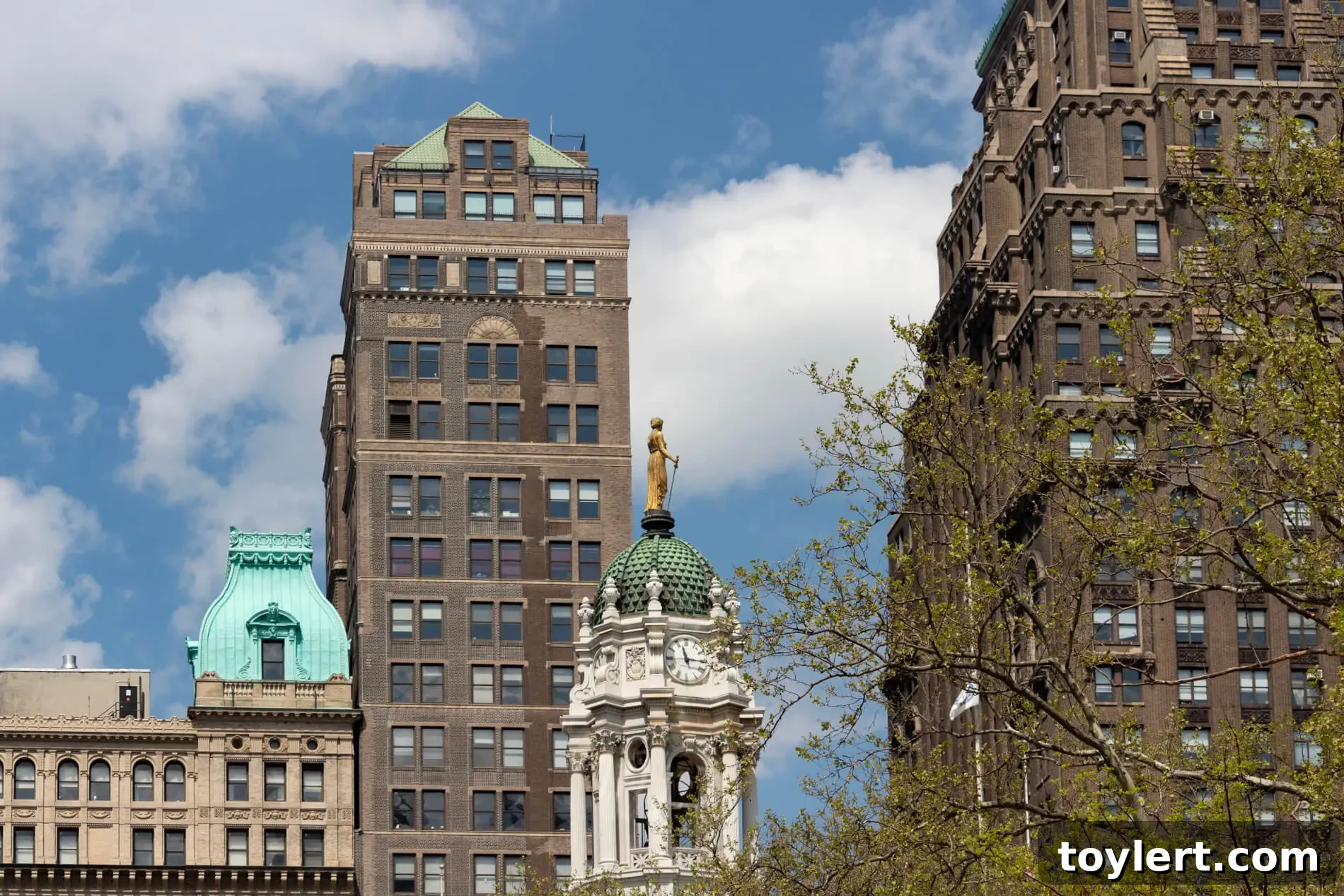
New York City's Resilience: Navigating the Pandemic's Evolving Landscape in Early Summer 2020
As New York City entered May 2020, the full scope of the COVID-19 pandemic's impact began to crystalize. The city, once a bustling epicenter of global commerce and culture, found itself grappling with unprecedented challenges across economic, social, and public health sectors. From the iconic boardwalks of Coney Island facing an uncertain future to the urgent discussions around commercial rents and vital community support systems, New Yorkers demonstrated a remarkable spirit of adaptability and resilience. This period marked a critical juncture, as officials began to outline cautious reopening plans while citizens navigated complex new realities.
Economic Turbulence and the Road to Reopening
The economic fallout from the pandemic was immediate and severe, particularly for sectors reliant on public gathering and tourism. One of the most poignant questions facing the city was whether beloved landmarks like Coney Island could survive. This historic amusement district, a symbol of summer joy and escapism for generations, faced existential threats as lockdown measures extended through its crucial warm-weather season. Businesses, from hot dog stands to thrill rides, found their seasonal revenue streams completely cut off, raising concerns about their long-term viability and the future of this cultural icon.
Beyond the amusement parks, the entire city's commercial ecosystem felt the strain. Reports indicated a drastic plummet in commercial rent payments across NYC. This widespread default or delay in payments signaled immense pressure on small businesses, restaurants, and retail establishments that form the backbone of local economies. The implications were far-reaching, threatening not only the livelihoods of business owners and their employees but also the stability of commercial property owners and the city's overall tax base. Discussions intensified around potential relief measures and the necessity of a coordinated economic recovery strategy.
Amidst these dire economic indicators, a glimmer of hope emerged as Mayor Bill de Blasio announced that the city was on its way to begin reopening by early June. This announcement, while cautiously optimistic, set the stage for a phased approach to resuming economic activity. It involved strict health and safety guidelines, focusing initially on industries deemed lower risk. The reopening plan aimed to balance the urgent need to revitalize the economy with the paramount importance of public health, constantly monitoring key metrics like infection rates, hospital capacity, and testing availability to prevent a resurgence of the virus.
Addressing Social Challenges and Community Welfare
The pandemic disproportionately affected vulnerable populations, shining a harsh light on existing social inequities. The issue of homelessness became particularly complex, as reports highlighted homeless New Yorkers riding out the coronavirus in swank Brooklyn hotels, sparking resident fears. This controversial measure, implemented to provide safer isolation for individuals experiencing homelessness, brought to the forefront debates about public health mandates, community integration, and the allocation of resources during a crisis. While advocates emphasized the humanitarian necessity of such accommodations, local residents voiced concerns regarding safety, property values, and the sudden change in neighborhood dynamics.
The legal landscape also adapted to the new realities, particularly concerning housing. NYC Housing Court began virtual conferences on pending eviction matters, a critical shift aimed at addressing an impending wave of housing instability. With many New Yorkers facing unemployment or reduced income, the prospect of evictions loomed large. The transition to virtual proceedings was an effort to continue vital legal processes while minimizing in-person contact, though it also raised questions about access to justice for those without reliable internet or digital literacy.
In response to escalating food insecurity, especially among families with children, a significant relief initiative was announced. Public school families were set to receive $420 per child for food benefits. This program, designed to help offset the cost of meals that children would typically receive at school, provided a crucial lifeline for hundreds of thousands of families struggling to put food on the table. It underscored the profound impact of the pandemic on household budgets and the vital role of government and educational institutions in providing social safety nets.
Community-level efforts also rose to meet the moment. A local pantry sought volunteers to prepare food packages for Holocaust survivors, highlighting the particular vulnerability of elderly and historically marginalized groups during the crisis. These grassroots initiatives demonstrated the power of community solidarity, ensuring that even the most fragile members of society received essential support and care amidst the broader upheaval.
Public Health Interventions and Ongoing Debates
The health crisis itself continued to evolve, presenting new challenges. A particular concern was the emergence of a mystery illness affecting children, which prompted a Brooklyn doctor to share insights and warnings. This condition, later identified as Multisystem Inflammatory Syndrome in Children (MIS-C), was found to be linked to COVID-19 and caused severe inflammation in various organs. The medical community raced to understand its etiology, symptoms, and treatment protocols, adding another layer of anxiety for parents and public health officials alike.
Given the devastating impact of COVID-19 on elderly populations, Mayor de Blasio launched a comprehensive coronavirus response plan for nursing homes. These facilities had become tragic epicenters of the pandemic, revealing critical vulnerabilities in care and infection control. The new plan aimed to bolster testing, provide adequate personal protective equipment (PPE), improve staffing, and implement stricter visitation policies to protect residents and staff from further outbreaks, seeking to rectify the initial shortcomings in safeguarding these highly vulnerable communities.
Urban Planning, Environment, and Future Development
Even amidst the immediate health and economic crises, long-standing urban development and environmental issues continued to demand attention. Environmentalists demanded National Grid halt a North Brooklyn pipeline, intensifying their opposition to an infrastructure project they argued was unnecessary, environmentally damaging, and contradicted the city's climate goals. This ongoing battle highlighted the tension between energy demands, corporate interests, and community-led environmental advocacy, underscoring the broader debate about sustainable development in a post-pandemic world.
In another appeal for urban improvement, elected officials urged the Mayor to finish the Brooklyn Greenway. This proposed 26-mile landscaped route along the borough's waterfront is envisioned as a vital link for pedestrians and cyclists, offering green space and alternative transportation options. The call to complete the Greenway underscored a growing recognition of the importance of open, accessible urban spaces for physical and mental well-being, especially as New Yorkers sought safer outdoor recreation options during the pandemic.
Conclusion: A City Forges Ahead
The events of May 2020 painted a vivid picture of New York City in flux. From the profound economic shockwaves threatening iconic institutions and small businesses, to the compassionate yet challenging efforts to house the homeless, and the critical public health battles against both known and mysterious illnesses, the city faced a cascade of unprecedented problems. Yet, through these trials, the unwavering spirit of New Yorkers and the determined efforts of local government and community groups shone through. As the city cautiously eyed a return to some semblance of normalcy, these developments laid the groundwork for a recovery that would undoubtedly reshape New York City for years to come, emphasizing resilience, adaptability, and the enduring strength of its diverse communities.
© 2023 New York City Insights. All rights reserved.