Discovering Architectural Gems: The Enduring Charm of 122 76th Street, Bay Ridge’s Gothic Revival Treasure
In the vibrant tapestry of urban landscapes, countless buildings stand as silent witnesses to history, craftsmanship, and evolving styles. “Building of the Day” (BOTD) is dedicated to unearthing these fascinating structures, offering an unadorned, insightful look at diverse architectural expressions from every corner of our cities. Our exploration spans the spectrum: from venerable old structures to striking new designs, from historically significant landmarks to charming, often-overlooked private residences. We celebrate both the public grandeur and the intimate beauty, the celebrated masterpieces and the humble, yet captivating, everyday constructions. Our aim is to spotlight whatever unique architectural narrative captures our imagination, inviting you to appreciate the rich, multifaceted character of our built environment. Today, our journey takes us to Bay Ridge, Brooklyn, to a private house that beautifully embodies a romantic and enduring style.
The Spotlight Building: A Glimpse into 122 76th Street
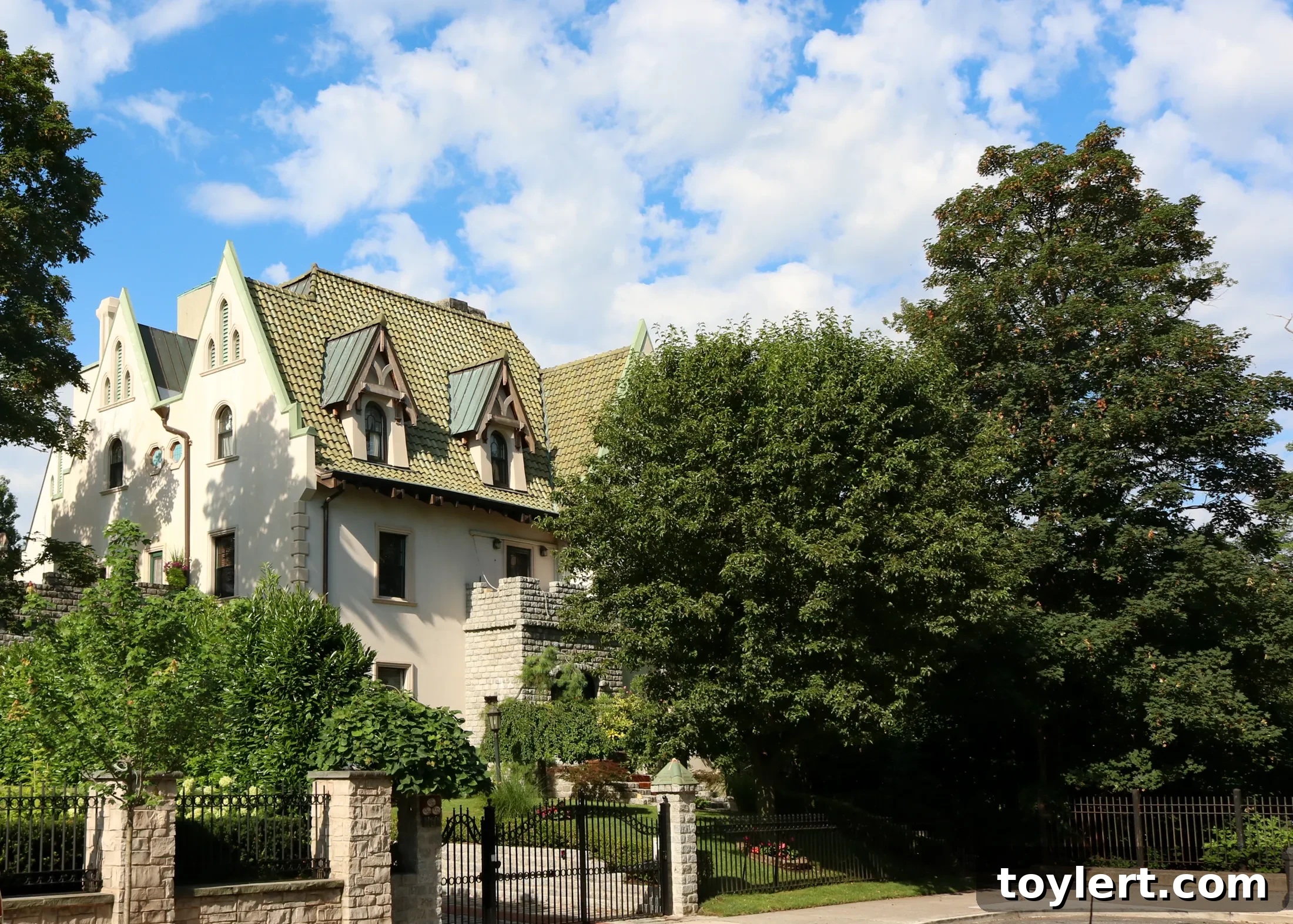
Nestled in the picturesque Brooklyn neighborhood of Bay Ridge, an intriguing private house at 122 76th Street stands as a testament to early 20th-century design. This residence, strategically positioned between the historic Ridge Boulevard and Colonial Road, offers a compelling example of how architectural ambition and stylistic preference shaped the residential fabric of burgeoning urban centers at the turn of the last century. While many modern eyes might overlook its quiet dignity, this house is a quintessential piece of Bay Ridge’s architectural puzzle, blending seamlessly into its surroundings yet possessing distinct characteristics that warrant closer examination.
Location and Neighborhood Context: Bay Ridge’s Allure
Bay Ridge, a neighborhood renowned for its stunning waterfront views, tree-lined streets, and a rich blend of historic and contemporary architecture, provides the perfect backdrop for such a structure. 122 76th Street benefits from its prime location, situated on a peaceful residential block that exemplifies the tranquil, community-oriented atmosphere Bay Ridge is celebrated for. This specific stretch of 76th Street, nestled comfortably between the grander thoroughfare of Ridge Boulevard and the more intimate Colonial Road, suggests a setting that balances accessibility with an undeniable sense of suburban tranquility within an urban context. The mature trees, well-maintained gardens, and diverse array of housing styles in the immediate vicinity collectively contribute to a streetscape that is both inviting and historically rich, making the presence of a unique home like this even more captivating.
A Private Haven: The Residential Essence
Identified simply as a “Private House,” this building’s primary function underscores its role in the intimate lives of its inhabitants and its contribution to the residential character of Bay Ridge. Unlike public buildings designed for civic engagement or commercial enterprises, private residences offer a more personal narrative, reflecting individual tastes and the prevailing architectural trends chosen for domestic comfort and aesthetic appeal. This house, therefore, isn’t just a structure; it’s a home, a sanctuary, and a significant piece of the neighborhood’s living heritage. Its designation as a private dwelling invites us to imagine the lives lived within its walls and the quiet beauty it has offered to generations of residents in this cherished Brooklyn community.
Journey Through Time: Bay Ridge and its Architectural Legacy
Bay Ridge: A Tapestry of History and Development
The history of Bay Ridge is deeply intertwined with Brooklyn’s growth as a borough and its transformation from a rural landscape into a bustling urban center. In the late 19th and early 20th centuries, Bay Ridge began to attract residents seeking respite from the crowded streets of Manhattan and inner Brooklyn, drawn by its idyllic setting and the promise of spacious, well-appointed homes. This era saw the rapid development of residential streets, characterized by a mix of elegant rowhouses, detached single-family homes, and multi-family dwellings, each contributing to the neighborhood’s distinctive charm. The construction boom during this period led to a rich architectural diversity, featuring styles from Queen Anne and Romanesque Revival to Colonial Revival and, as we see with our featured building, Gothic Revival. Understanding the historical context of Bay Ridge helps us to appreciate how structures like 122 76th Street fit into a larger narrative of urban development and residential aspiration.
The Turn of the Century: Brooklyn in 1900
The year 1900 marks a significant point in urban development, particularly for a burgeoning borough like Brooklyn. The dawn of the 20th century brought with it a wave of technological advancements, social changes, and evolving architectural tastes. For Brooklyn, this meant continued expansion of transportation networks, further connecting neighborhoods like Bay Ridge to the rest of the city. Architects and builders were often experimenting with a blend of historical styles and new construction techniques, catering to a growing middle class that desired homes reflecting both grandeur and modern convenience. A house built in 1900 would have incorporated the best practices of its time, from robust construction methods to the latest in domestic amenities, all while embracing an aesthetic that resonated with the sensibilities of the era. The choice of Gothic Revival for 122 76th Street reflects a particular fascination with historical romanticism that was popular as the new century began.
Unveiling the Gothic Revival Style: A Romantic Echo
An Enduring Romanticism: The Spirit of Gothic Revival
The Gothic Revival architectural style, which enjoyed widespread popularity throughout the 19th and early 20th centuries, represents a romanticized reinterpretation of medieval Gothic architecture. Originating in England in the mid-18th century, it gained significant traction as a reaction against the perceived coldness and formality of Neoclassicism. Proponents of Gothic Revival sought to imbue buildings with a sense of history, morality, and picturesque beauty, drawing inspiration from grand cathedrals and ancient castles. When applied to residential architecture, this meant translating the dramatic flair of medieval design into more domestic proportions, creating homes that evoke a sense of timeless elegance and intricate craftsmanship. The style’s resurgence at the turn of the 20th century, as seen in 122 76th Street, often softened some of its earlier, more rigid interpretations, blending it with elements that suited contemporary living while retaining its distinctive character.
Key Characteristics in Residential Architecture
While full-blown Gothic Revival might conjure images of towering churches with flying buttresses, its application to private homes adapted these grand ideas into charming, often asymmetrical forms. Typical characteristics that one might expect to find in a Gothic Revival private house, even without a visual reference for 122 76th Street, include:
- Steeply Pitched Roofs: Often featuring prominent gables that contribute to a dramatic verticality and give the house a commanding presence.
- Pointed-Arch Windows and Doors: A hallmark of the style, these distinctive arches add a quintessential medieval touch, often seen in entryways or prominent window groupings.
- Ornate Trim and Detailing: Expect to see elaborate bargeboards on gables, decorative finials, and intricate tracery, typically crafted from wood or cast iron for residential applications, adding a layer of delicate artistry.
- Asymmetrical Plans: Unlike the symmetrical designs often favored by classical styles, Gothic Revival frequently embraced irregular floor plans and varied massing, creating a more organic, picturesque, and visually interesting silhouette.
- Window Variety: Beyond pointed arches, buildings might also feature bay windows that extend outward, leaded or stained glass panels that cast colorful light indoors, and groups of slender lancet windows.
- Robust Materials: Often constructed with durable materials such as stone, brick, or stucco, conveying a sense of solidity, permanence, and historical authenticity.
- Verandas or Porches: While not exclusively Gothic, these elements were often integrated, featuring decorative posts and railings that sometimes echoed the stylistic motifs, providing welcoming outdoor living spaces.
These elements collectively contribute to a sense of dramatic elegance and historical resonance, making a Gothic Revival home instantly recognizable and deeply appealing to those who appreciate architectural storytelling and a connection to the past.
The Bay Ridge Interpretation: A Local Flavor
In Bay Ridge, the Gothic Revival style, like many others, was often interpreted through the lens of local builders and prevailing tastes. While it might not exhibit the full ecclesiastical grandeur of its cathedral counterparts, a private house in this style would likely incorporate key ornamental and structural elements to evoke the desired romantic aesthetic. This could mean a prominent, steeply pitched roof with decorative gables facing the street, perhaps a striking pointed-arch entryway, or windows featuring delicate tracery that subtly hints at medieval inspiration. The materials would likely be practical for Brooklyn construction – brick or brownstone, possibly with contrasting trim – but the overall effect would aim for that distinctive, historic charm. Such a house stands out not by being ostentatiously grand, but by its thoughtful detailing and adherence to a style that speaks of history and enduring beauty, creating a unique and captivating presence within its residential block.
The Legacy of an Unknown Architect: Celebrating Unsung Craftsmen
Celebrating Anonymous Craftsmanship and Community Value
The designation “Architect: Unknown” is common for many homes of this era, especially private residences. Far from diminishing its value, this often highlights the craftsmanship of local builders and the widespread adoption of popular architectural pattern books. Many beautiful and well-constructed homes were the product of skilled contractors and masons who interpreted prevailing styles without the formal recognition of a named architect. This house, therefore, embodies a collective history of building practices and community effort, representing the thousands of uncredited individuals who shaped Brooklyn’s streetscapes. It reminds us that architectural heritage isn’t solely defined by renowned names or grand public structures, but also by the countless hands that brought these domestic sanctuaries to life, making them integral parts of their neighborhoods and contributing immeasurably to our urban fabric.
Beyond Landmarked Status: The Importance of Unofficial Preservation
The fact that 122 76th Street is not landmarked does not diminish its architectural or historical significance. While formal landmark status provides crucial legal protection for buildings deemed exceptionally important to a city’s heritage, many, many structures contribute profoundly to the character, beauty, and historical texture of their neighborhoods without this official designation. These non-landmarked buildings form the very backbone of historic districts, offering essential context and visual continuity. Their immense value often lies in their collective presence, their individual stories, and their continuous use as cherished homes. For such structures, community appreciation, responsible private ownership, and a general understanding of a building’s unique features become even more vital. They serve as everyday reminders of our past, encouraging us to look beyond formal designations and recognize the inherent beauty, craftsmanship, and history embedded in every street and every home that makes up the irreplaceable fabric of our cherished communities. Their preservation relies on the discerning eye and care of residents who value their place in local history.
Conclusion: A Call to Architectural Appreciation
The private Gothic Revival house at 122 76th Street in Bay Ridge, built in 1900, stands as a captivating example of architectural enduring charm. It embodies a style that gracefully merges historical grandeur with residential comfort, all within a neighborhood rich with its own compelling history. While its architect remains unknown and it lacks formal landmark status, its presence enriches Bay Ridge, offering a tangible link to a bygone era of craftsmanship and design. This building, like countless others across our cities, invites us to pause, observe, and appreciate the intricate details and historical narratives embedded in our built environment. It serves as a powerful reminder that every structure, regardless of its fame or official designation, has a story to tell, waiting to be discovered by curious eyes. We encourage you to seek out and celebrate the unique architectural gems in your own surroundings, for in doing so, we not only preserve history but also deepen our connection to the vibrant, living places we call home.