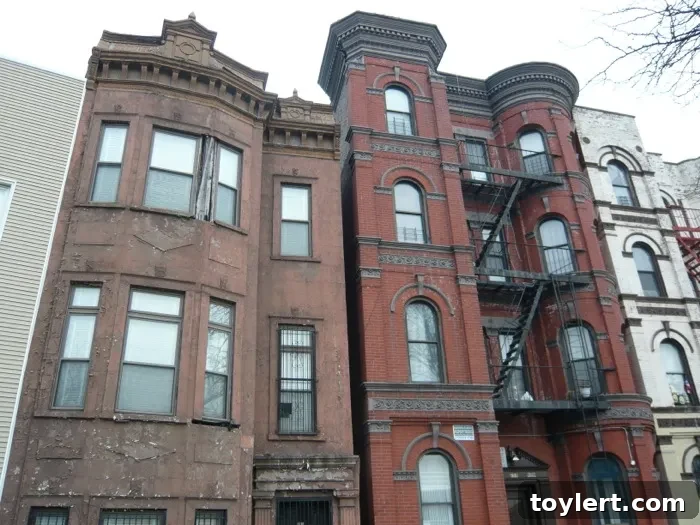
Architectural details capture the enduring character of Brooklyn’s streets amidst a dynamic urban landscape.
Brooklyn’s Pulse: Navigating Urban Life, Extreme Weather, and Dynamic Real Estate in NYC
Early 2014 presented New York City, and particularly the vibrant borough of Brooklyn, with a complex tapestry of challenges, changes, and enduring community spirit. As the city braced for an unprecedented arctic blast, its residents simultaneously navigated significant developments in real estate, grappled with deeply concerning crime stories, and celebrated Brooklyn’s expanding cultural footprint. This period offered a stark reminder of the dynamism inherent in urban life, where extreme weather events can coincide with profound social and economic shifts, all against the backdrop of a community constantly reinventing itself.
The Grip of Extreme Weather: New York Braces for an Arctic Blast
The dawn of the new year brought with it a dramatic shift in New York’s climate, challenging the resilience of its millions of residents. A severe arctic blast swept across the region, prompting urgent warnings and official declarations. Governor Andrew Cuomo declared a state of emergency as the region prepared for “life-threatening wind chill” conditions, a phrase that underscored the seriousness of the impending cold snap. Temperatures plummeted to dangerously low levels, exacerbated by fierce winds that made venturing outdoors a perilous undertaking. This extreme weather event dominated headlines, as The New York Times reported on the city bracing for the chill and the subsequent emergency declaration, while their “New York Today” blog highlighted the severe wind chill advisory.
Such conditions tested the city’s infrastructure and the resolve of its inhabitants. Commuters faced treacherous journeys, and homeless populations were particularly vulnerable, prompting increased efforts from city services and outreach programs. Schools often considered delayed openings or closures, and businesses adapted to reduced foot traffic. The sudden and intense cold served as a powerful reminder of the environmental forces that continually shape urban existence, compelling New Yorkers to huddle indoors, yet simultaneously fostering a sense of shared experience and communal fortitude against the elements.
Brooklyn’s Ever-Evolving Real Estate Landscape: Lofts, Luxury, and Underlying Tensions
Beyond the weather, Brooklyn’s real estate market continued its relentless evolution, a saga of gentrification, aspiration, and sometimes, stark contrasts. The narrative of “Loft Life” remained a significant draw, symbolizing the borough’s transformation from an industrial hub to a haven for artists, entrepreneurs, and families seeking distinctive urban living. The New York Times explored a particular building with a storied past, one that had once been evacuated over matzos, now offering a glimpse into the charm and challenges of converting historic industrial spaces into modern residences. These loft conversions, often in neighborhoods like Bushwick or Williamsburg, were central to Brooklyn’s allure, blending architectural heritage with contemporary design, attracting a diverse demographic eager to embrace the borough’s unique character.
At the higher end of the market, Brooklyn’s desirability was further underscored by notable property transactions. The New York Observer reported on a Brooklyn boutique owner seeking $1.75 million for a Park Slope co-op. This story highlighted the escalating value of properties in established, family-friendly neighborhoods like Park Slope, where historic brownstones and tree-lined streets commanded premium prices. The move by a boutique owner not only reflected personal real estate decisions but also signaled the growing affluence and continued investment in Brooklyn’s diverse communities, positioning it firmly as a luxury market competitor to Manhattan.
The Darker Side: Slumlords and Landlord Murders Shake the Community
However, the real estate narrative wasn’t solely one of aspiration and growth; it also contained darker, more troubling chapters. The discovery of a slain individual, identified as a “slumlord,” sent shockwaves through the community. The New York Post revealed that the slumlord reportedly “owed more than $1 million to loan sharks”, adding a layer of intrigue and criminality to the tragedy. This incident brought to light the often unseen, precarious financial dealings that can exist within the rental property sector, underscoring the dangers and moral ambiguities faced by those operating on the fringes of legitimate business practices.
Further intensifying community anxieties was the brutal murder of Menachem Stark, a prominent Brooklyn landlord. His abduction and subsequent death sparked widespread fear and speculation, particularly within the tightly-knit Hasidic community in Williamsburg. Initial reports and investigations quickly focused on the possibility of a partner being involved in the crime, as the NY Daily News covered the evolving investigation, suggesting a partner might be a suspect. The case, initially shrouded in mystery and confusion, deeply unsettled residents. The New York Times reported on the proliferation of rumors flying among the Hasidim, reflecting the profound impact this violent crime had on a community already in mourning. Such events underscore the intricate relationships between property, power, and personal safety in a densely populated urban environment.
Crime and Community Concerns: Unsolved Cases and Urban Challenges
The Stark murder was not an isolated incident in the broader context of Brooklyn’s crime landscape. The borough faced persistent challenges, and the issue of unsolved homicides remained a significant concern. Gothamist highlighted this by showcasing interactive homicide maps that revealed Brooklyn had the most unsolved murders among the city’s boroughs. This statistic painted a sobering picture, suggesting ongoing difficulties for law enforcement in bringing perpetrators to justice and providing closure to victims’ families. The presence of numerous cold cases can erode public trust, foster a sense of insecurity, and exert immense pressure on communities seeking peace and safety. It prompts vital questions about resource allocation, investigative techniques, and the complex socio-economic factors that contribute to crime rates in diverse urban areas.
These crime stories, from individual tragedies to systemic issues of unsolved cases, served as stark reminders of the social complexities inherent in a city as vast and varied as New York. They highlighted the disparities that can exist even within a borough famed for its rapid development and cultural renaissance, pointing to ongoing needs for robust community support, effective policing strategies, and sustained efforts to address the root causes of urban violence.
Brooklyn’s Cultural Vibrancy and Global Reach
Amidst the challenges, Brooklyn’s cultural influence continued to expand, solidifying its reputation as a global trendsetter. This period saw tangible evidence of its growing international appeal, particularly in the realms of entertainment and cuisine. The New York Post announced that Brooklyn Bowl and Blue Ribbon were set to open in London, a testament to the strength and recognition of Brooklyn-born brands. Brooklyn Bowl, known for its unique combination of music venue, bowling alley, and culinary experience, alongside Blue Ribbon’s renowned comfort food, represented a significant cultural export. This expansion showcased how Brooklyn had become a powerful brand in itself, capable of transcending geographical boundaries and influencing international urban trends in lifestyle and leisure.
Adding a touch of celebrity glamour to the borough’s dynamic scene, the Christian Post reported on Robert Pattinson and Dakota Fanning enjoying brunch in Brooklyn. Such sightings were not uncommon in a borough increasingly favored by artists, actors, and creative professionals. They highlighted Brooklyn’s evolution into a magnet for cultural figures, drawn by its vibrant arts scene, diverse culinary landscape, and a more understated, authentic urban vibe compared to Manhattan. These celebrity endorsements, whether intentional or accidental, further cemented Brooklyn’s image as a cool, contemporary, and culturally significant destination, attracting both residents and visitors seeking a taste of its unique energy.
Navigating the City: Infrastructure and Transit Challenges
For millions of New Yorkers, daily life is inextricably linked to the performance of its public transportation system. The MTA’s G Line, a crucial artery for many Brooklyn residents, faced its own set of challenges during this period. NY1 reported that the MTA canceled the first two days of Fastrack repairs on the G Line. Such cancellations, while sometimes necessary due to unforeseen circumstances or extreme weather, invariably caused frustration and disruption for commuters who rely on these services for their daily routines. The G Line, in particular, often perceived as a lifeline connecting various Brooklyn neighborhoods without traversing Manhattan, is vital for intra-borough travel.
The cancellation of scheduled repairs underscored the ongoing battle between maintaining an aging infrastructure and minimizing inconvenience for a perpetually moving populace. It served as a reminder of the constant, demanding work required to keep a city of millions functioning, and the often-unseen complexities of managing one of the world’s most extensive public transit networks. For Brooklynites, these transit decisions directly impacted their ability to work, study, and engage with their community, making the reliable operation and maintenance of lines like the G Line a paramount concern.
Brooklyn’s Enduring Spirit: A Borough in Constant Motion
As January 2014 unfolded, Brooklyn demonstrated its characteristic blend of resilience, vibrancy, and complexity. From the biting cold of an arctic winter to the heated discussions around real estate development and the profound sorrow caused by tragic crimes, the borough never ceased to be a place of compelling stories. Its ability to nurture international brands, attract global celebrities, and yet remain deeply rooted in community concerns and the daily struggles of its residents, truly defines its unique character.
Brooklyn continues to be a microcosm of the larger urban experience—a place where progress and problems intertwine, where cultural flourishing coexists with urgent social issues, and where an enduring spirit of innovation and community constantly pushes boundaries. The events of this period underscore not just the challenges faced by New York City but also the remarkable strength and adaptability of Brooklyn, a borough perpetually in motion, always evolving, and forever captivating.