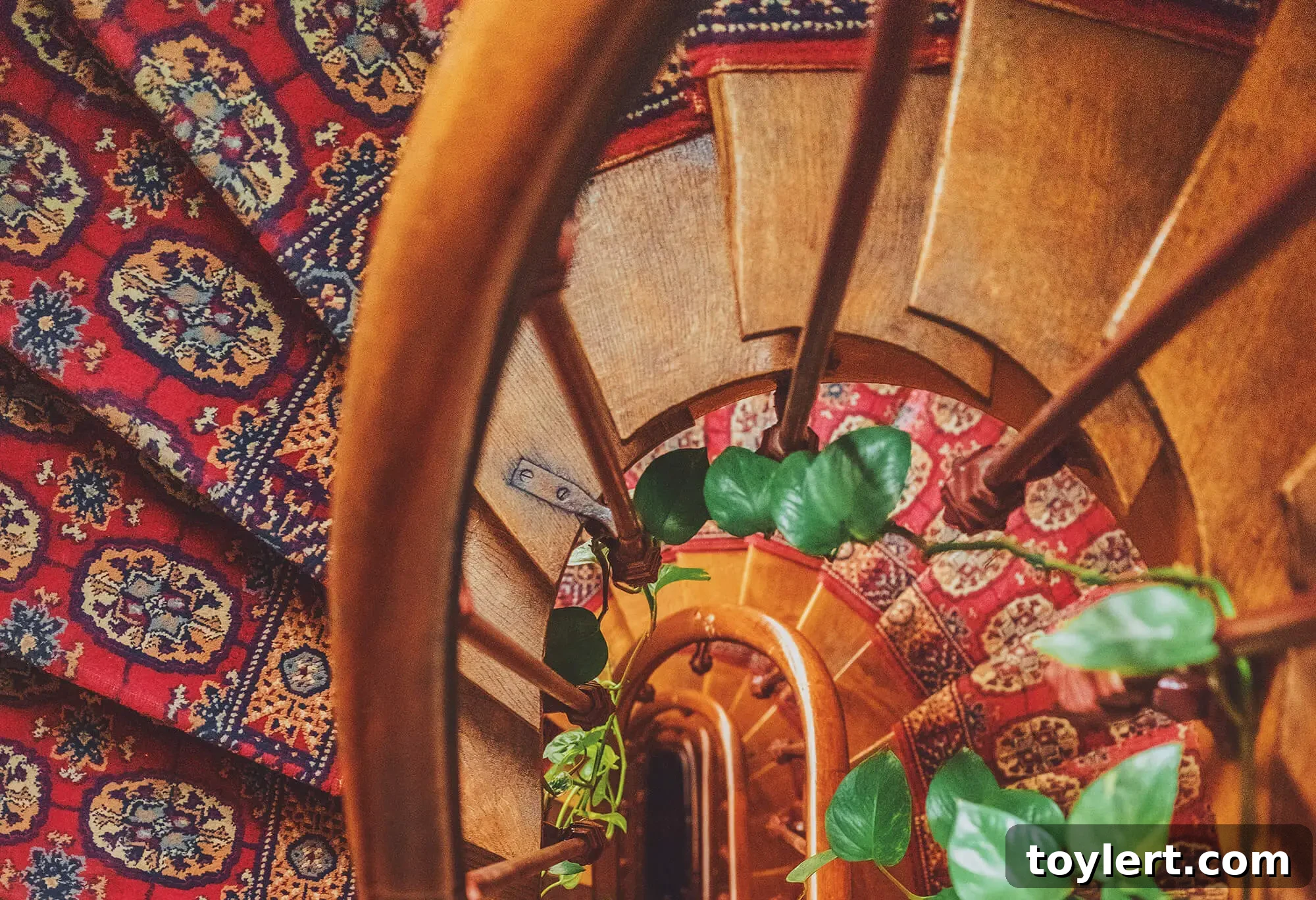
Transform Your Brownstone Stairs: A Comprehensive Guide to Stair Runner Installation
For homeowners in charming brownstones and historic townhouses, the elegance of traditional architecture often comes with unique considerations. One common dilemma is how to make the beautiful, often polished, wooden stairs safer and more comfortable for both human residents and their beloved pets. If you’re hoping to enhance your home’s safety, reduce noise, protect your flooring, and add a touch of timeless style, installing a stair runner is an excellent solution. This guide delves into everything you need to know about stair runner installation costs, the benefits, the decision between DIY versus professional installation, and how to choose the perfect runner for your brownstone.
The original question from a homeowner seeking advice perfectly encapsulates this common scenario: “Hoping to make the stairs in their brownstone easier for pets to navigate, homeowners want to install a runner but need some advice. How much should they expect it to cost to carpet two flights of stairs and a hallway? Should they consider installing the runner themselves?” Let’s explore these questions in detail to help you make an informed decision for your home.
Why Install a Stair Runner in Your Brownstone? Beyond Just Aesthetics
While the aesthetic appeal of a stair runner is undeniable, its benefits extend far beyond just looks, particularly for the unique environment of a brownstone or townhouse. These benefits address common concerns for pet owners, families, and those looking to preserve their home’s value.
Enhanced Safety for Everyone (Especially Pets)
One of the primary motivations for installing a stair runner, as highlighted by our homeowner, is to improve safety. Polished wooden stairs, while beautiful, can be notoriously slippery. This risk is amplified for pets, especially dogs and cats, who can easily lose their footing, leading to falls, injuries, and even long-term joint problems. A well-installed stair runner provides essential traction, significantly reducing the risk of slips and falls for:
- Pets: Offering a secure grip, runners allow pets to ascend and descend stairs with confidence, protecting their joints and preventing accidents.
- Children: Young children are prone to tumbles; a soft runner provides a safer surface.
- Elderly: Reduced traction can be a serious hazard for older adults, and runners offer crucial stability.
- Everyone: Even adults can misstep, particularly in socks or certain shoes. A runner offers peace of mind.
Protection for Your Hardwood Stairs
Brownstones are renowned for their stunning original hardwood floors. Stairs, being high-traffic areas, are particularly susceptible to wear and tear. Over time, constant foot traffic, pet claws, and accidental drops can lead to scratches, dents, and fading of the wood finish. A stair runner acts as a protective barrier, preserving the beauty and longevity of your valuable hardwood stairs. This not only keeps your home looking pristine but also maintains its historical integrity and resale value.
Significant Noise Reduction
In multi-story brownstones, the sound of footsteps on bare wooden stairs can echo throughout the house, often creating a disruptive environment. Stair runners effectively absorb sound, significantly dampening footsteps and reducing ambient noise. This creates a quieter, more peaceful living space, a subtle but highly appreciated benefit, especially in homes with early risers, late sleepers, or just active families.
Elevated Aesthetics and Style
A stair runner is a powerful design element that can instantly transform the look and feel of your entryway or hallway. It adds warmth, texture, and color, allowing you to express your personal style while complementing your home’s existing decor. Whether you prefer a classic patterned wool runner, a sleek modern synthetic, or a natural sisal, a runner can:
- Enhance Period Charm: A carefully chosen runner can accentuate the historic character of your brownstone.
- Introduce Color and Pattern: Break up the monotony of wood with vibrant colors or sophisticated patterns.
- Create a Welcoming Entryway: Make a strong first impression with a stylish and inviting staircase.
Added Comfort Underfoot
Walking on a carpeted surface is simply more comfortable than on bare wood. A stair runner, especially when paired with a quality underlay, provides a softer, more luxurious feel underfoot. This small touch of comfort can make a big difference in your daily experience of navigating your home.
Understanding Stair Runner Installation Costs: What to Expect
One of the most pressing questions for homeowners is “How much will this cost?” The cost to install a stair runner on two flights of stairs and a hallway can vary significantly based on several factors. It’s not a one-size-fits-all price, but understanding the contributing elements will help you budget effectively.
Key Factors Influencing Cost:
- Material Choice: This is often the biggest driver of cost.
- Wool: Generally the most expensive but offers superior durability, natural stain resistance, and a luxurious feel. Expect anywhere from $50-$150 per linear foot for the material alone.
- Synthetic (Nylon, Polypropylene, Polyester): More affordable and highly durable, excellent for high-traffic areas, and often very stain-resistant. Price ranges from $20-$70 per linear foot.
- Natural Fibers (Sisal, Jute): Mid-range in price, offering unique texture and eco-friendliness, but can be less soft and more prone to staining. Approximately $30-$80 per linear foot.
- Blends: Combine the best qualities of different fibers, with prices varying accordingly.
- Staircase Configuration:
- Straight Run: The simplest and most cost-effective to carpet.
- L-shaped, U-shaped, Winder Stairs, Landings: These configurations involve more cuts, seaming, and intricate installation work, increasing both material waste and labor costs. Two flights of stairs typically means multiple straight runs and landings, which adds complexity.
- Runner Width: Standard widths are more economical. Custom widths or broadloom carpet cut to size can incur additional costs.
- Underlay/Padding: Essential for comfort, longevity, and sound absorption, a good quality pad adds to the material cost (typically $3-$8 per linear foot) but is a worthwhile investment.
- Installation Method:
- Waterfall: The carpet flows over the nose of the tread, creating a continuous, waterfall-like effect. Simpler, quicker installation.
- Hollywood/Capped: The carpet is stapled beneath the nose of each tread, contouring tightly to the stair. This method uses more material and requires more labor but provides a tailored, custom look.
- Labor Costs: Professional installation fees vary by region, installer experience, and the complexity of the job.
- Labor can be charged per step (e.g., $25-$75 per step), per linear foot, or as a flat project fee.
- For two flights of stairs and a hallway, this will be a significant portion of the total cost. Expect labor for stairs alone to range from $500 to $2,000+, depending on the number of steps and complexity.
- Hallway installation is usually charged per square foot or linear foot, typically less per foot than stair installation, but still adds to the overall labor cost.
- Additional Work:
- Old Runner Removal and Disposal: If you have an existing runner, removal can cost extra.
- Stair Repair/Preparation: Any necessary repairs to the wooden stairs before installation will add to the project cost.
- Delivery Fees: Some retailers charge for delivery of the runner material.
Estimated Cost Breakdown for Two Flights of Stairs & a Hallway:
To give you a rough idea, let’s assume each flight has 13-15 steps, making it approximately 26-30 steps total. Let’s also factor in a reasonable length for the hallway.
- Material (Runner + Pad):
- For basic synthetic: $20-$40 per linear foot. If you need 50-70 linear feet for stairs and hallway, that’s $1,000 – $2,800.
- For mid-range wool/high-quality synthetic: $50-$100 per linear foot. This could be $2,500 – $7,000.
- Labor (Professional Installation):
- Stairs: Given 26-30 steps, at $30-$70 per step, expect $780 – $2,100. More complex stairs will lean towards the higher end.
- Hallway: Dependent on square footage, often $5-$10 per square foot for carpet installation. For a typical brownstone hallway, this could add $200-$500.
- Total Estimated Range (Material + Labor):
- Budget-Friendly (Synthetic): $2,000 – $5,000
- Mid-Range (Quality Synthetic/Blends): $4,000 – $8,000
- High-End (Wool/Complex Design): $7,000 – $15,000+
These figures are estimates. For an accurate quote, it’s essential to get at least three detailed bids from local reputable installers, showing material costs, labor costs, and any additional charges.
DIY vs. Professional Installation: A Critical Decision
The question of whether to install the runner yourself or hire a professional is crucial, especially for a significant project like two flights of stairs and a hallway. While DIY can save money, it comes with its own set of challenges and potential pitfalls.
Considering DIY Stair Runner Installation:
Pros:
- Cost Savings: The most significant advantage is saving on labor costs, which can be substantial.
- Personal Satisfaction: Completing a project yourself can be very rewarding.
- Schedule Flexibility: You can work at your own pace and on your own schedule.
Cons:
- Required Skills and Tools: Installing a stair runner isn’t as simple as laying a rug. It requires precision measurement, cutting, stretching, and fastening. You’ll need specialized tools like a carpet stretcher (knee kicker), heavy-duty staple gun, utility knife, tucking tools, and a reliable measuring tape.
- Time-Consuming: For two flights of stairs and a hallway, this will be a multi-day project for a novice, involving careful planning and execution.
- Potential for Errors: Mis-measurements, crooked lines, loose sections, or improper stretching can lead to wasted material, an unprofessional look, and premature wear.
- Difficulty with Complex Stairs: Brownstone stairs often feature turns, landings, or winders, which are significantly harder to carpet neatly without experience. Achieving a seamless finish on these sections is particularly challenging.
- Warranty Issues: Some runner manufacturers may void warranties if the product is not installed by a certified professional.
- Safety Risk: Working on stairs with power tools can be hazardous if not done carefully.
Hiring a Professional Installer:
Pros:
- Expertise and Precision: Professionals have the experience, tools, and techniques to ensure a flawless, custom-fit installation. They can handle complex stair configurations with ease.
- High-Quality Finish: You’ll get a clean, tight, and aesthetically pleasing result that will enhance your home’s appearance.
- Efficiency: An experienced installer can complete the job much faster than a DIYer.
- Durability and Longevity: Proper installation ensures the runner lasts longer and wears evenly.
- Peace of Mind: You won’t have to worry about mistakes, safety hazards, or the tedious labor involved.
- Warranty on Work: Reputable installers typically guarantee their work, offering recourse if issues arise.
Cons:
- Higher Upfront Cost: Labor costs are the primary drawback.
- Scheduling: You’ll need to coordinate with the installer’s schedule.
Recommendation:
For a project involving two flights of stairs and a hallway in a brownstone, **professional installation is strongly recommended.** The complexity of multiple flights, potentially intricate turns, and the desire for a polished, durable finish usually outweigh the cost savings of DIY. Especially if you’re investing in a high-quality runner, protecting that investment with expert installation is wise. While a single, straight flight might be a manageable DIY project for an experienced homeowner, multiple flights and a hallway demand a higher level of skill and specialized equipment to achieve a truly satisfactory and long-lasting result.
Choosing the Right Stair Runner for Your Brownstone
Selecting the perfect stair runner involves more than just picking a color. It requires considering material, design, width, and padding to ensure it meets your needs for durability, safety, and style in a brownstone setting.
Material Deep Dive:
- Wool:
- **Pros:** Extremely durable, naturally flame-resistant, excellent stain resistance (thanks to natural lanolin), luxurious feel, vibrant colors, sustainable. Ideal for high-traffic areas and adding elegance.
- **Cons:** Most expensive option. Can be susceptible to moth damage if not properly cared for.
- **Best For:** Long-term investment, luxury feel, historic homes, natural fiber enthusiasts.
- Synthetic Fibers (Nylon, Polypropylene/Olefin, Polyester):
- **Nylon:** Very durable, resilient, and resistant to crushing. Good value for money.
- **Polypropylene/Olefin:** Highly stain and fade-resistant, moisture-resistant, and more affordable. Can feel less soft and resilient than nylon or wool.
- **Polyester:** Soft, luxurious feel, good stain resistance (but struggles with oil-based stains), vibrant colors. Not as resilient as nylon.
- **Pros:** Affordable, highly durable (especially nylon), excellent stain resistance (especially polypropylene), wide range of colors and patterns, good for pet owners.
- **Cons:** Can sometimes look less luxurious than wool; some synthetics can flatten over time.
- **Best For:** High-traffic areas, budget-conscious buyers, homes with pets and children.
- Natural Fibers (Sisal, Jute, Seagrass):
- **Sisal:** Extremely durable, rough texture, natural look, excellent for traction.
- **Jute/Seagrass:** Softer than sisal, more casual look, eco-friendly.
- **Pros:** Eco-friendly, unique texture, natural aesthetic, very durable (sisal).
- **Cons:** Can be rough underfoot, less stain-resistant than synthetics or wool (especially liquids), can absorb moisture, not as soft, can shed.
- **Best For:** Contemporary or rustic aesthetics, low-to-medium traffic areas, adding textural interest.
- Blends: Combine the best features of different fibers, e.g., wool-nylon blends offer wool’s softness with nylon’s durability at a more accessible price point.
Design & Pattern: Complementing Brownstone Architecture
Your runner choice can dramatically impact your home’s style. Consider:
- Solid Colors: Offer a clean, minimalist look and can make a small hallway feel larger.
- Stripes: Can visually lengthen a staircase or hallway, adding a classic, tailored touch.
- Geometric Patterns: Introduce modern flair or complement Art Deco elements.
- Oriental/Traditional Patterns: Enhance the classic elegance and historic charm of a brownstone.
- Textured Neutrals: Like a natural sisal or looped wool, these add interest without overwhelming the space.
Consider your brownstone’s existing color palette, wall treatments, and furniture to ensure the runner harmonizes with the overall aesthetic.
Runner Width:
The standard recommendation is to leave approximately 4 to 6 inches of exposed wood on either side of the runner. This showcases the beautiful hardwood while providing adequate coverage. Measure your stairs carefully or have your installer advise on the optimal width for your specific staircase.
The Importance of Quality Padding:
Never skip the underlayment! A high-quality stair runner pad (typically felt or rubber blend) provides crucial benefits:
- Comfort: Adds a plush feel underfoot.
- Longevity: Protects the runner from wear by absorbing impact and preventing the carpet backing from rubbing against the wood.
- Sound Absorption: Further reduces noise.
- Safety: Helps keep the runner securely in place, preventing shifting.
Choose a dense, low-profile pad designed specifically for stair runners; avoid thick, squishy pads that can make the runner unstable.
The Installation Process: What to Expect
Whether you choose DIY or professional installation, understanding the steps involved can help you prepare.
- Measurement: Precise measurement of each tread, riser, and landing is critical to minimize waste and ensure a seamless fit.
- Stair Preparation: Stairs must be clean, dry, and free of any protruding nails or splinters. Any loose or damaged wood should be repaired.
- Padding Installation: The underlay is cut to size and secured to each tread, stopping just short of the tread’s front edge.
- Runner Installation: Starting from the top or bottom, the runner is carefully aligned, stretched taut, and securely fastened to the stairs using a heavy-duty staple gun, following either the waterfall or Hollywood method. Special attention is paid to corners, turns, and landings to ensure a smooth, professional finish.
- Finishing Touches: Edges are neatly trimmed, and any remaining staples are checked.
Maintaining Your Stair Runner for Lasting Beauty
Once installed, proper maintenance will ensure your stair runner remains beautiful and functional for years to come.
- Regular Vacuuming: Vacuum frequently, especially in high-traffic areas, to remove dirt and grit that can abrade fibers. Use an attachment for crevices.
- Spot Cleaning: Address spills immediately with a clean cloth and appropriate carpet cleaner, blotting rather than rubbing. Always test cleaners in an inconspicuous area first.
- Professional Cleaning: Depending on traffic and material, consider professional deep cleaning every 12-18 months to refresh and extend the life of your runner.
- Address Wear: If any staples loosen or the runner starts to shift, address it promptly to prevent further damage or safety hazards.
Conclusion
Installing a stair runner in your brownstone is a smart investment that enhances safety, protects your valuable hardwood, reduces noise, and significantly elevates your home’s aesthetic appeal. While the initial costs for two flights of stairs and a hallway might seem substantial, the long-term benefits in terms of comfort, durability, and property value are undeniable. For most homeowners with complex staircases and a desire for a flawless finish, opting for professional installation is the most prudent choice. By carefully considering your budget, material preferences, and design goals, you can select the perfect stair runner to transform your brownstone stairs into a safe, stylish, and welcoming feature for years to come.