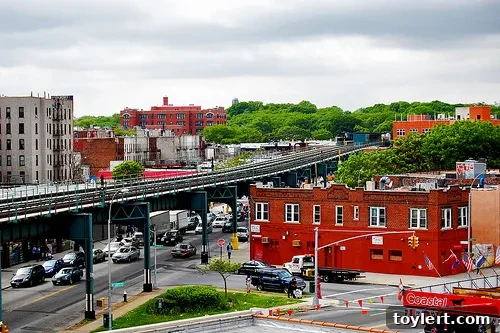
Brownsville, Brooklyn: Unpacking the Realities and Resilience of an Enduring Neighborhood
Brownsville, a neighborhood in eastern Brooklyn, often finds itself at the center of discussions about urban development, social equity, and the enduring challenges faced by marginalized communities. A powerful reflection of these realities came through Gina Bellafante’s compelling “Big City” column in The Times, titled “Where Optimism Feels Out of Reach.” Her depiction of Brownsville was stark, highlighting the profound sentiment among residents that, for many, the quality of life had seen little to no improvement since the harrowing days of the crack epidemic in the 1980s and 1990s. In fact, some expressed a belief that certain aspects had even worsened.
This candid assessment challenges the often-celebrated narrative of New York City’s perpetual progress and prosperity, drawing attention to a community where the glow of urban revitalization struggles to penetrate. Bellafante’s reporting underscored critical issues such as the stagnant murder rate over several years and the persistent specter of gang violence, which continues to cast a long shadow over daily life. For those seeking to understand the complexities of urban America, Brownsville offers a poignant case study, revealing the deep-seated historical and systemic factors that shape a neighborhood’s destiny.
Economic Struggles and the Shadow of Past Eras in Brownsville
The economic landscape of Brownsville, as observed by Bellafante, presented a particularly grim picture. Local businesses, including those selling essential goods like men’s clothing, reported significant difficulties in moving inventory. This struggle was linked to a phenomenon that, though ethically problematic, once played a peculiar role in the local economy: the “retracted drug trade.” Bellafante noted that, however insidious, this illicit activity had previously kept money circulating within the neighborhood. The subsequent contraction of this trade, without the simultaneous introduction of viable, legal economic alternatives, left a void that legitimate businesses struggled to fill.
This economic paradox speaks volumes about the historical disinvestment and lack of legitimate opportunities that have plagued Brownsville for decades. When formal economic pathways are scarce, illicit economies can, tragically, become a default source of income, however dangerous and destructive. The vacuum left by their decline, in the absence of robust community development and job creation initiatives, can exacerbate poverty and further destabilize local commerce. This highlights a critical need for comprehensive economic strategies that focus on sustainable job creation, support for small businesses, and investment in educational and vocational training programs tailored to the community’s needs.
Beyond the immediate impact on businesses, Brownsville grapples with broader socio-economic challenges. High rates of poverty, limited access to quality education, and inadequate healthcare resources are systemic issues that collectively impede the community’s progress. These factors create a complex web of disadvantage, making it difficult for residents to achieve upward mobility and participate fully in the economic mainstream of New York City.
Beyond the Headlines: The Unseen Resilience and Community Spirit
While Bellafante’s column rightly focused on the observable challenges, it’s imperative to recognize that such reports, by their nature, often capture a snapshot that can overshadow the full, vibrant tapestry of a community. Brownsville, despite its tribulations, is not merely a collection of problems; it is a place of profound resilience, deep-rooted community bonds, and an unwavering spirit. The narrative of Brownsville is equally defined by its dedicated residents, local leaders, and grassroots organizations who work tirelessly, often against formidable odds, to foster positive change.
From youth mentorship programs designed to offer alternatives to gang life, to community gardens transforming neglected lots into green oases, to advocacy groups fighting for better housing and public services, Brownsville is a hub of activism and self-determination. These efforts, though frequently overlooked by mainstream media, are the true heartbeat of the neighborhood. They demonstrate an inherent strength and a collective will to improve circumstances, providing crucial support networks and fostering a sense of hope and belonging that official statistics might miss. Understanding Brownsville requires looking beyond crime rates and economic indicators to appreciate the human spirit that perseveres and continually strives for a better future.
Glimmers of Hope: Catalysts for Urban Renewal and Investment
Even within Bellafante’s sober assessment, there were discernible glimmers of hope and signs of nascent change. Perhaps the most prominent example highlighted was the renovation of the long-vacant Loew’s Pitkin theater. This historic architectural gem, a testament to Brownsville’s past grandeur, was slated for a significant transformation: its upper floors destined to house a charter school, while the ground level would be repurposed for retail spaces. This project is far more than a mere building renovation; it symbolizes a multi-pronged approach to urban renewal and community investment.
The integration of a charter school within the Loew’s Pitkin building addresses one of Brownsville’s most critical needs: enhanced educational opportunities. By providing an alternative learning environment, such initiatives can empower youth, offering pathways to academic success and future employment that might otherwise be unavailable. Education is a fundamental pillar of socio-economic advancement, capable of breaking cycles of poverty and equipping younger generations with the tools they need to thrive. Simultaneously, the introduction of new retail spaces promises to revitalize the local economy. These businesses can create much-needed jobs for residents, provide convenient access to goods and services, and contribute to a more vibrant and appealing streetscape. Such developments often act as catalysts, attracting further private investment and fostering a renewed sense of pride and optimism within the community.
Beyond the Pitkin theater, Brownsville has seen other incremental yet significant developments. Investments in affordable housing initiatives aim to combat displacement and ensure that long-term residents can remain in their homes. Public space improvements, including new parks and recreational facilities, offer residents safe and engaging areas for leisure and community gathering. These varied efforts, both large and small, collectively contribute to chipping away at the narrative of despair and laying the groundwork for a more prosperous, equitable future for Brownsville.
Paving the Way Forward: A Comprehensive Strategy for Brownsville’s Future
To truly unlock Brownsville’s potential and address its deeply rooted challenges, a comprehensive, sustained, and collaborative strategy is essential. This requires a concerted effort from city government, non-profit organizations, private sector partners, and, most critically, the active involvement and leadership of Brownsville residents themselves. Key areas for strategic intervention include:
- Sustainable Economic Development: Moving beyond temporary solutions, Brownsville needs long-term investments in job creation, support for local entrepreneurship, and accessible vocational training programs. This includes attracting businesses that offer living wages and career advancement opportunities within the neighborhood.
- Enhanced Public Safety and Justice Reform: While law enforcement plays a role, true public safety in Brownsville necessitates community-based violence prevention programs, robust mental health services, and initiatives that build trust between residents and police. Addressing the root causes of crime through social programs and economic opportunity is paramount.
- Quality Education and Youth Empowerment: Continued and increased investment in public schools, expansion of after-school programs, and mentorship opportunities are vital. Providing safe, enriching environments for children and teenagers can divert them from negative influences and equip them for future success.
- Affordable Housing and Infrastructure Improvement: Protecting existing affordable housing, developing new units, and improving the quality of life in current residences are critical. Investment in public transportation, green spaces, and community centers also directly impacts residents’ well-being.
- Health Equity and Access: Addressing health disparities through improved access to quality healthcare, nutritious food options, and comprehensive mental health services is fundamental to building a healthy and resilient community.
The journey toward full revitalization for Brownsville is undoubtedly extensive and demanding. It calls for patience, unwavering dedication, and a steadfast commitment to equity and social justice. The historical context of neglect and disinvestment cannot be erased overnight, but through strategic, community-driven improvements, significant momentum can be generated toward a brighter and more equitable future for all Brownsville residents.
Conclusion: The Unyielding Spirit and Future of Brownsville
Gina Bellafante’s column from 2012 served as a powerful reminder that within the vibrant tapestry of New York City, there exist communities like Brownsville that grapple with profound, systemic challenges. Her depiction of a neighborhood where optimism felt out of reach resonated deeply with the experiences of many residents, underscoring the urgency of addressing long-standing issues of poverty, crime, and economic stagnation. Yet, even within this candid assessment, the seeds of hope were evident, particularly through transformative projects such as the renovation of the Loew’s Pitkin theater.
Brownsville stands as a testament to the complex interplay of historical disadvantage, economic struggle, and an unyielding community spirit. The challenges are indeed profound, but the prevailing narrative is not one of despair; it is a story of ongoing struggle, remarkable resilience, and the relentless pursuit of a better tomorrow. The future trajectory of Brownsville hinges not solely on external investment, but crucially on empowering its residents, supporting its grassroots leaders, and fostering an environment where optimism can truly take root and flourish. It is a neighborhood actively fighting for its future, and its evolving story is far from complete. The critical question remains: are we, as a city and as a society, truly listening, and are we prepared to provide the sustained support necessary for the unwavering spirit of Brownsville to ultimately triumph?